

1. It is not safe for a woman driver to wear high heels to drive a vehicle.
A. Right
B. Wrong
Answer: A
2. Driving a motorized vehicle shall not overtake in tunnels, steep slopes and other special sections.
A. Right
B. Wrong
Answer: A
3. Whats the meaning of this sign?
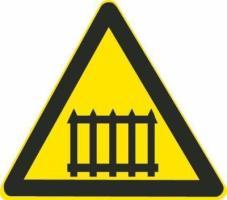
A. a manned level crossing
B. multi-crossing of railway and road
C. grade separation level crossing
D. an unmanned level crossing
Answer: A
4. When a motorized vehicle causes a minor traffic accident and obstructs traffic flow, it does not need to move.
A. Right
B. Wrong
Answer: B
5. If a motorized vehicle driver has caused a major traffic accident in violation of the traffic regulations which has caused human death due to his escaping, the driver is subject to a prison term of _________.
A. less than 2 years
B. less than 3 years
C. less than 7 years
D. more than 7 years
Answer: D
6. Whats the meaning of this sign?
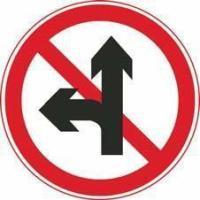
A. no going straight and no changing to left lane
B. no going straight and no left turn
C. allowed to go straight and turn left
D. no going straight and no right turn
Answer: B
7. When encountering stopping in turn or slow-moving vehicles in front at an intersection where lanes are reduced, the motorized vehicle should _________.
A. enter the intersection from road shoulder by the right side of the vehicle in front
B. enter the intersection from the side of interspace
C. pass alternately with one vehicle each lane to enter the intersection
D. change to left lane and cut in to enter the intersection
Answer: C
8. Whats the meaning of this sign?
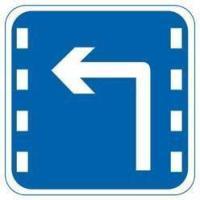
A. right-turn lane
B. U turn lane
C. left-turn lane
D. lanes for going in different directions
Answer: C
9. Whats the meaning of this sign?
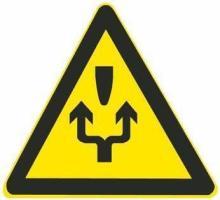
A. bypass at construction section
B. two-way traffic
C. bypass from left or right side
D. watch for danger
Answer: C
10. What is this manipulation device?
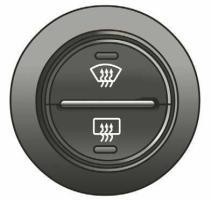
A. switch of the turn signal
B. switch of the head lights
C. switch of wiper
D. switch of defogger
Answer: D
11. Whats the meaning of this sign?

A. Passing on both sides
B. Passing is prohibited
C. Passing by the left side
D. Passing by the right side
Answer: A
12. When following a vehicle on the road, the distance from the vehicle in front is not important. As long as the driver goes forward at the same speed as the vehicle in front does, he can avoid rear-end collision.
A. Right
B. Wrong
Answer: B
13. When a vehicle passes a tunnel, it is prohibited from overtaking.
A. Right
B. Wrong
Answer: A
14. The validity of the driving license which is initially applied for is 6 years.
A. Right
B. Wrong
Answer: A
15. How to use lights when changing to the left lane on road?
A. turn on the right-turn signal in advance
B. not need to turn on any turn signal
C. turn on the left-turn signal in advance
D. turn on the low beam lights in advance
Answer: C
16. You can overtake from right side in this case.
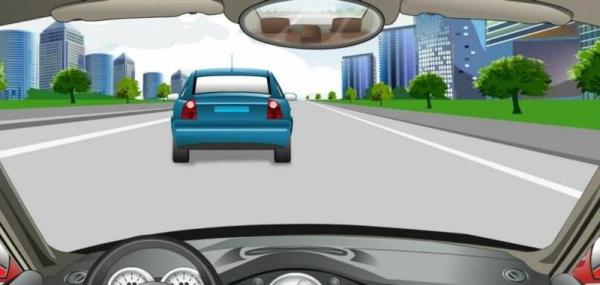
A. Right
B. Wrong
Answer: B
17. Which illegal conduct is subject to a 12-point penalty
A. violate traffic lights
B. use falsified license plate
C. call or answer the mobile phone
D. violate prohibitive signs
Answer: B
18. What markings are the two double yellow broken lines on the road?
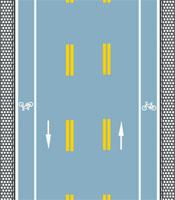
A. two-way lanes dividing line
B. variable lane line
C. lane-dividing line that can be crossed
D. one-way lanes dividing line
Answer: B
19. Emergency braking on a road covered by ice and snow can easily cause side skidding. The driver should use the engine braking to reduce speed.
A. Right
B. Wrong
Answer: A
20. Which part does it control when pulling this switch?
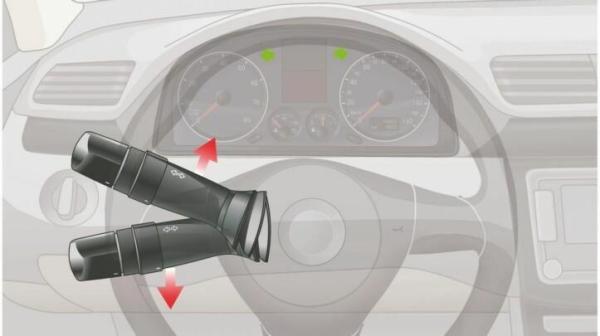
A. turn signals
B. reverse light
C. contour light
D. hazard light
Answer: A