

1. A motorized vehicle driver who drives the vehicle which permission is different is subject to a ________.
A. 2-point penalty
B. 3-point penalty
C. 6-point penalty
D. 12-point penalty
Answer: D
2. A front tire blowout is very dangerous. The vehicle will immediately turn to the side where the tire is blown out and have a direct impact on the drivers control of the steering wheel.
A. Right
B. Wrong
Answer: A
3. What marking is the yellow road surface in the center of the intersection?
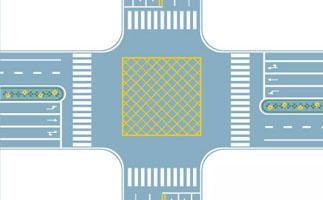
A. central circle
B. guide line
C. cross-hatched marking
D. parking area
Answer: C
4. Whats the meaning of this sign?

A. tunnel entry
B. observatory
C. mind side wind
D. wind vane
Answer: C
5. Traffic Police can detain the driver according to law, if the driver drives a motorized vehicle which is suspected of reaching the write-off standard.
A. Right
B. Wrong
Answer: B
6. This sign reminds bump road ahead which may causes bump phenomenon.
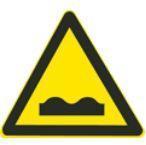
A. Right
B. Wrong
Answer: A
7. Before a vehicle enters a curve of a mountain road, the driver ______ if there is no vehicle coming in the opposite direction.
A. Should reduce speed, honk and drive on the right side
B. Should drive along the outer side of the curve
C. May briefly borrow the opposite lane
D. May speed up and pass along the tangent line of the curve
Answer: A
8. How to use lights in this weather condition?
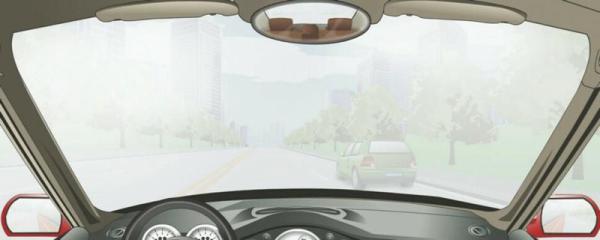
A. use high beam lights
B. use fog lights
C. not use any light
D. turn on the right-turn signal
Answer: B
9. No turning right when encountering this traffic light at the intersection.

A. Right
B. Wrong
Answer: B
10. When running on an expressway that has four lanes in the same direction, the vehicles whose speed is higher than 110 kilometers per hour should run ______.
A. The far left lane
B. The second left lane
C. The far right lane
D. The third left lane
Answer: A
11. Whats the meaning of this sign?
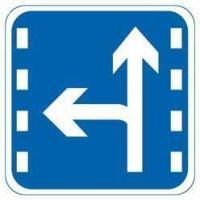
A. lane for both going straight and U turn
B. lane for both going straight and left turn
C. lane for going straight and right turn
D. lanes for going in different directions
Answer: B
12. Whats the meaning of this sign?
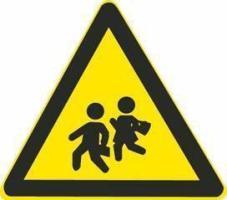
A. school area
B. watch for children
C. crosswalk
D. watch for pedestrians
Answer: B
13. It lights to remind that engine oil needs to be filled.

A. Right
B. Wrong
Answer: B
14. When the driver discovers a tire is leaking and steers the vehicle off the main carriageway, he should refrain from applying emergency so as to avoid a vehicle turnover or a rear-end collision arising from the late braking of the following vehicle.
A. Right
B. Wrong
Answer: A
15. It lights to indicate that luggage compartment is open.

A. Right
B. Wrong
Answer: B
16. When encountering a vehicle in the opposite direction forcing its way by using his lane, the driver should __________.
A. Force the other side to drive by the right side
B. Use the high beam light to warn the other side
C. Voluntarily yield to the other side
D. Go ahead by the center of the road
Answer: C
17. When driving in icy and snowy weather, light reflection from the accumulated snow can easily make a driver feel dizzy and have an illusion.
A. Right
B. Wrong
Answer: A
18. When driving a motorized vehicle uphill, you should speed up and honk when you going to reach the top of the slope.
A. Right
B. Wrong
Answer: B
19. In which situation that a driver will not allowed to drive?
A. penalty points reach 10 points
B. penalty points reach 6 points
C. driving license lost or destroyed
D. driving license is nearly expired
Answer: C
20. It lights continuously to indicate that ______

A. safety bags work
B. not buckled up
C. ABS system malfunction
D. safety bags malfunction
Answer: D