

1. Whats the meaning of the yellow mark on the road?
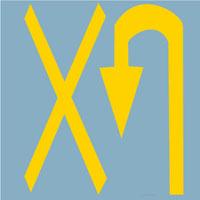
A. no going straight
B. allowed to make a U turn
C. no U turn
D. no making a turn
Answer: C
2. When driving on a mountain road covered by ice and snow, the vehicle behind should ______ if the vehicle in front is climbing a slope.
A. Climb slowly
B. Closely follow and climb
C. Select a proper place to stop and climb after the vehicle in front has passed
D. Rapidly overtake the vehicle in front
Answer: C
3. When an accident has caused congestion on an expressway, the vehicles may run in the emergency strip on the right or in the shoulder of the road.
A. Right
B. Wrong
Answer: B
4. Whats the meaning of this sign?
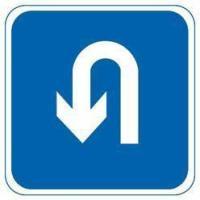
A. U turn
B. reversing
C. left turn
D. bypassing
Answer: A
5. Whats the meaning of the white solid line in the middle of the road?
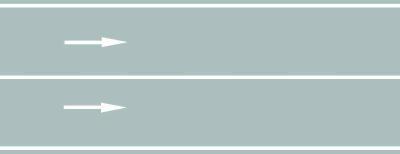
A. unilateral same direction lanes dividing line that can be crossed
B. same direction lanes dividing line that can not be crossed
C. bilateral same direction lanes dividing line that can be crossed
D. opposite direction lanes dividing line that can not be crossed
Answer: B
6. Whats the meaning of this sign?
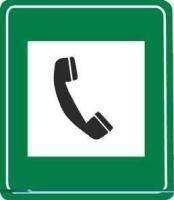
A. expressway public phone
B. expressway police phone
C. expressway emergency phone
D. expressway rescue phone
Answer: C
7. Reducing the speed when driving in sand, hail, rain, fog, ice and other weather conditions.
A. Right
B. Wrong
Answer: A
8. How long is the period of probation of a motor vehicle driver who has applied for a driver license for the first time?
A. 18 months
B. 16 months
C. 12 months
D. 6 months
Answer: C
9. How to do when causing a minor traffic accident with no human casualties and no dispute?
A. do not move the vehicle
B. counsel other vehicles bypass
C. leave the scene and discuss on their own
D. protect the scene and discuss
Answer: C
10. It lights to indicate that ______

A. the floor and the front fans work
B. air internal circulation
C. air external circulation
D. the side and the floor fans work
Answer: A
11. ABS system can keep the steering capability of the front wheels while providing maximum braking force when the vehicle conduct an emergency braking.
A. Right
B. Wrong
Answer: A
12. It lights when turning on the front low beam lights.

A. Right
B. Wrong
Answer: B
13. What is this instrument?
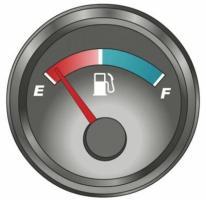
A. pressure meter
B. ammeter
C. water temperature meter
D. fuel meter
Answer: D
14. Traffic markings are divided into indication, warning and prohibition.
A. Right
B. Wrong
Answer: A
15. Whats the meaning of this sign?
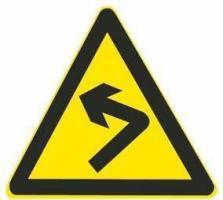
A. bypass from left side
B. continuous curves
C. sharp left curve
D. sharp right curve
Answer: C
16. Turn on the right-turn signal and return immediately to the original lane afterovertaking.
A. Right
B. Wrong
Answer: B
17. Honking in a foggy day can arouse the attention of the opposite side. After hearing the honking from the opposite side, the driver should also honk to respond.
A. Right
B. Wrong
Answer: A
18. Whats the meaning of this sign?
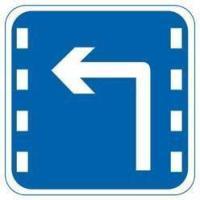
A. right-turn lane
B. U turn lane
C. left-turn lane
D. lanes for going in different directions
Answer: C
19. In which situation should a small car driver need check?
A. the end of a scoring cycle
B. change driving license due to expiration
C. fail to reach 12 points in one scoring cycle
D. reach 12 points in one scoring cycle
Answer: B
20. Whats the meaning of this sign?
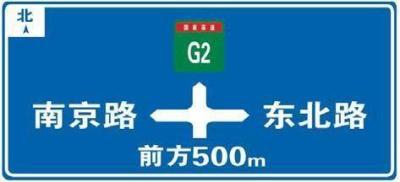
A. lane information indication
B. road branching point ahead
C. place and distance indication
D. intersection ahead
Answer: D