

1. A qualified driver should not only be technically adept, but more importantly have good driving habits and ethical attainments.
A. Right
B. Wrong
Answer: A
2. Which kind of vehicle can be driven if the authorized vehicle applied for is small motor vehicle with automatic transmission?
A. low-speed truck
B. small motor vehicle
C. motorcycle
D. light truck with automatic transmission
Answer: D
3. What is this instrument?
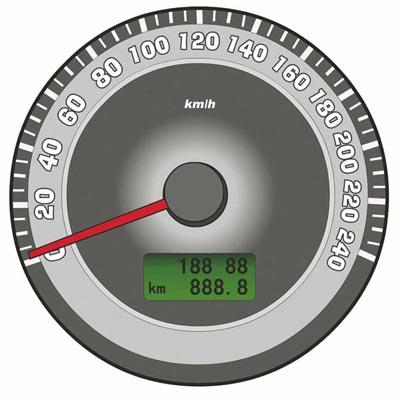
A. speed and mileage meter
B. engine tachometer
C. top speed meter
D. fuel consumption / 100 km
Answer: A
4. When the motor vehicle installed ABS system brakes, the braking distance will be greatly shortened, so you do not have to keep a safe distance between vehicles.
A. Right
B. Wrong
Answer: B
5. How to do in this intersection?
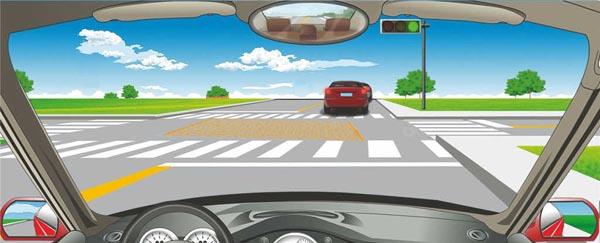
A. wait in the cross-hatched marking area
B. stop and wait outside the intersection
C. follow the vehicle in front and pass
D. wait inside the intersection
Answer: B
6. When following a vehicle, the following vehicle may use the high beam light.
A. Right
B. Wrong
Answer: B
7. You can not drive a motorized vehicle into the lane where the red X-shaped light or the red arrow light is on.
A. Right
B. Wrong
Answer: A
8. When discovering a vehicle behind wanting to overtake while driving, the driver should _______.
A. Maintain the original speed
B. Reduce speed, observe and run by the right side to yield
C. Speed up and go ahead by the right side
D. Not yield
Answer: B
9. The cycle for recording the accumulated penalty points for violating road traffic regulations is ____________.
A. 14 months
B. 12 months
C. 6 months
D. 10 months
Answer: B
10. Whats the meaning of this sign?
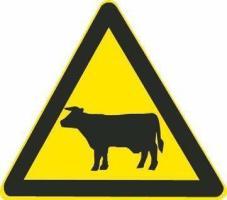
A. watch for animals
B. watch for wildlife
C. Wildlife Sanctuary
D. Large-scale farms
Answer: A
11. If the applicant commits bribery or cheating in the course of a test, his eligibility for this test will be cancelled and the results of other tests he has passed will be invalid.
A. Right
B. Wrong
Answer: A
12. Which is subject to a 6-point penalty?
A. use other vehicles vehicle license
B. run 50% faster than the prescribed speed limit
C. illegally occupy emergency lane
D. drive after drinking
Answer: C
13. Whats the meaning of this sign?

A. lanes for going in different directions
B. lane for both U turn and left turn
C. the lane of no left turn and no U turn
D. lane for both going straight and left turn
Answer: B
14. This set of the hand signals of the traffic police indicates that the vehicles should ____ .
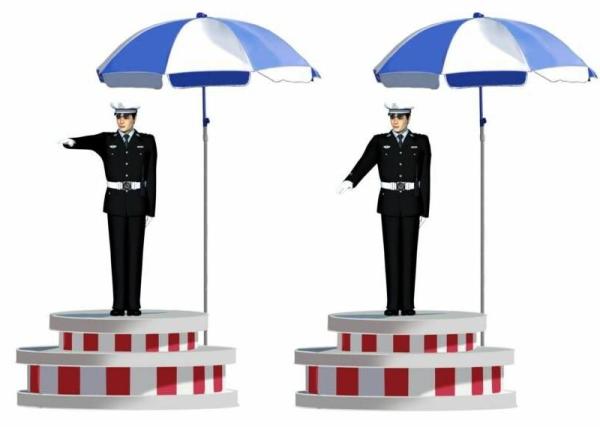
A. turn right
B. change lane
C. reduce speed and pass slowly
D. pull over
Answer: C
15. The vehicles should run by the right shoulder of an expressway.
A. Right
B. Wrong
Answer: B
16. When overtaking on a mountain road, the vehicle should overtake ______.
A. By taking every possible chance
B. By selecting a wide gentle uphill section
C. By selecting a fairly long downhill section
D. By selecting a relatively gentle downhill section
Answer: B
17. What kind of violation does this broken down vehicle have?
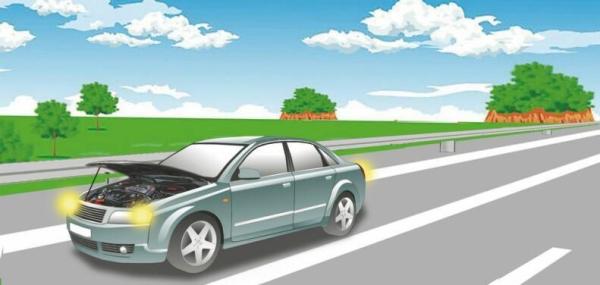
A. not turn on the hazard lights
B. not stop the car by the roadside
C. not solve the problem at once
D. not place the warning sign
Answer: D
18. Choose the lane with the green arrow light on.
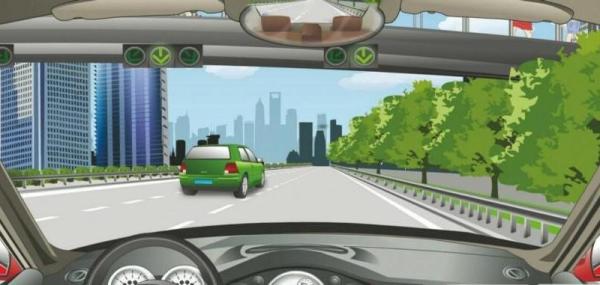
A. Right
B. Wrong
Answer: A
19. This set of the hand signals of the traffic police indicates that the vehicles should ___ .
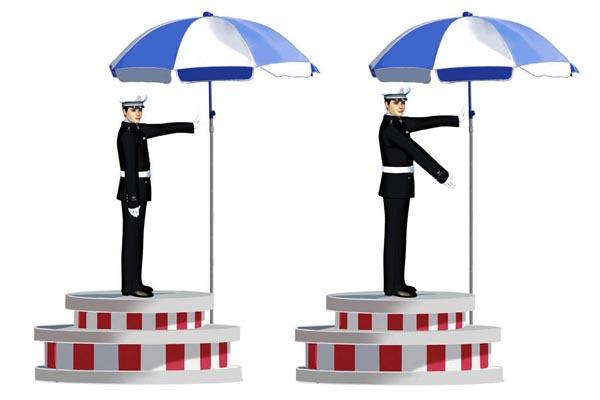
A. wait to turn left
B. pull over
C. turn right
D. reduce speed and pass slowly
Answer: C
20. Whats the meaning of this sign?
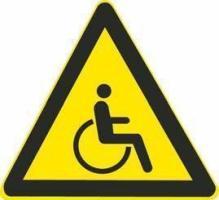
A. exit and entry for disabled people
B. watch for disabled people
C. rest area for disabled people
D. special passage for disabled people
Answer: B