

1. It lights to indicate that ______

A. the head fog light is turned on
B. the low beam light is turned on
C. the high beam light is turned on
D. the tail fog light is turned on
Answer: C
2. Whats the meaning of this sign?
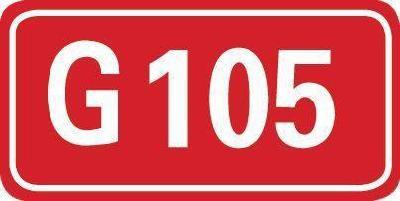
A. township road No.
B. county road No.
C. provincial highway No.
D. national highway No.
Answer: D
3. Driving a small passenger vehicle at 100km/hr on the expressway, the minimum distance from the vehicle in front is _____ .
A. not less than 20 meters
B. not less than 10 meters
C. not less than 50 meters
D. not less than 30 meters
Answer: C
4. Whats the meaning of this sign?
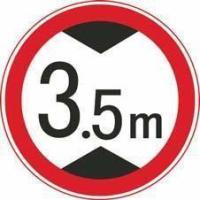
A. 3.5m width limit
B. 3.5m width limit ban is lifted
C. 3.5m distance from vehicles limit
D. 3.5m height limit
Answer: D
5. When passing through an inundated road, the driver should ________.
A. Reduce speed and go slowly
B. Maintain the normal speed and pass
C. slide over in the neutral gear
D. Speed up and pass
Answer: A
6. What is the time limit of deferred license checking due to military service, abroad and other reasons?
A. 3 years
B. 5 years
C. 1 years
D. 2 years
Answer: A
7. The contents of subject 2 test for small motor vehicle include Reversing stall parking, stopping at the appointed position and setting off on a slope, pulling over, driving by S-shaped line, sharp turning.
A. Right
B. Wrong
Answer: A
8. After causing a road accident, the vehicle driver needs to change the scene for rescuing the wounded, the driver should mark the location.
A. Right
B. Wrong
Answer: A
9. Whats the meaning of this sign?
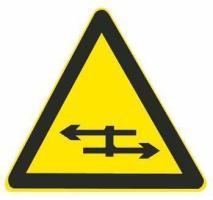
A. flat intersection
B. flat ring intersection
C. attention to interactive intersection
D. attention to separate intersection
Answer: D
10. How often should a driver who is more than 60 years old present the certificate of physical conditions?
A. every 3 years
B. every 2 years
C. every 6 months
D. every 1 year
Answer: D
11. For a driver who drives a commercial motor vehicle after drinking, besides revoking his/her driving license, how long will he/she be banned from re-obtaining a motor vehicle driving license?
A. 1 year
B. 2 year
C. 5 year
D. 10 year
Answer: C
12. When causing a road accident involving property damage, the party should leave the scene on his own but he does not leave, the traffic police can not order him to leave.
A. Right
B. Wrong
Answer: B
13. When a vehicle runs on an expressway, the driver may ascertain the speed according to his feeling.
A. Right
B. Wrong
Answer: B
14. Can not overtake in this situation.

A. Right
B. Wrong
Answer: A
15. The vehicle with ABS system can minimize the braking distance when driving on a road covered by ice and snow.
A. Right
B. Wrong
Answer: B
16. Whats the meaning of the white solid lines at the edge of the carriageway on both sides of the road?
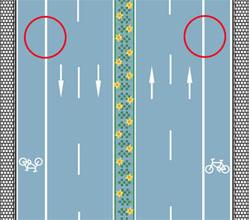
A. Vehicles may cross temporarily
B. Vehicles are not allowed to cross.
C. Motorized vehicles may cross temporarily.
D. Non-motorized vehicles may cross temporarily
Answer: B
17. In this case, by the right side of the bus lane to overtake.
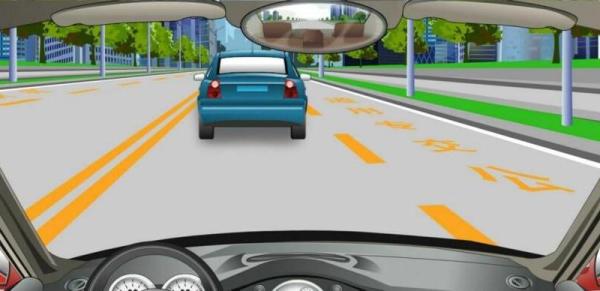
A. Right
B. Wrong
Answer: B
18. When encountering stopping and waiting in turn or slow-moving vehicles in front, the motorized vehicle may _________.
A. borrow road to overtake
B. occupy the opposite lane
C. follow the vehicles in front
D. cut in the waiting vehicles
Answer: C
19. This sign means the opposite vehicle should stop to yield when crossing each other.
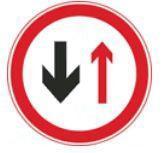
A. Right
B. Wrong
Answer: B
20. A person whose driving license has been destroyed cannot drive a motorized vehicle.
A. Right
B. Wrong
Answer: A