

1. Fine will be 200~2000 yuan and driving license will be revoked if _____
A. violating traffic regulations
B. running 50% faster than the specified speed limit
C. escaped after causing traffic accident
D. driving without driver license
Answer: B
2. This motorized vehicle parked on the roadside has no illegal act.
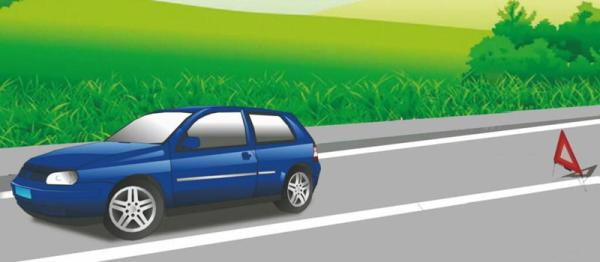
A. Right
B. Wrong
Answer: B
3. Whats the meaning of this sign?
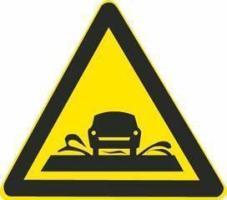
A. muddy road
B. low-lying road
C. overflowing road
D. ferry
Answer: C
4. Choose the lane with the green arrow light on.
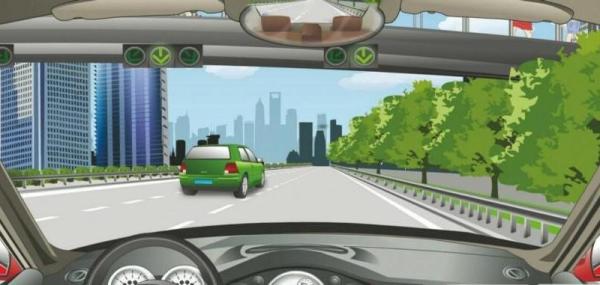
A. Right
B. Wrong
Answer: A
5. Traffic Signs and traffic markings are not traffic signals.
A. Right
B. Wrong
Answer: B
6. What marking is the white semicircle in the circle?

A. driving at reduced speed
B. ascertaining the vehicles speed
C. reducing the speed at the intersection
D. ascertaining the distance between the vehicles
Answer: D
7. If the accumulated penalty points of a motorized vehicle driver reach 12 points and the driver refuses to participate in the study course and also refuses to take tests, it should be publicly announced that his driving license should no longer be used.
A. Right
B. Wrong
Answer: A
8. Whats the role of the prohibitive sign?
A. indicate the vehicles to go ahead
B. warn danger ahead
C. prohibit or restrict from doing
D. tell the direction information
Answer: C
9. If a motorized vehicle driver has caused a major traffic accident in violation of the traffic regulations which has caused human death due to his escaping, the driver is subject to a prison term of 3 years ~ 7 years.
A. Right
B. Wrong
Answer: B
10. Whats the meaning of this sign?
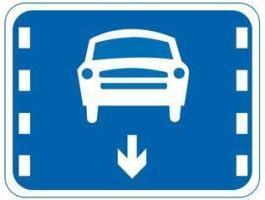
A. lane for small vehicles
B. special lane for small vehicles
C. special lane for multi-passenger vehicles
D. lane for motorized vehicles
Answer: D
11. When a driver drives a motorized vehicle during the period of probation, the driver should paste or hang a uniform probation mark on the rear part of the vehicle.
A. Right
B. Wrong
Answer: A
12. This sign reminds an unmanned level crossing ahead.
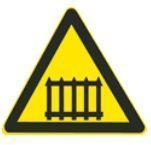
A. Right
B. Wrong
Answer: B
13. If the registration paper, license plate and vehicle license of a motorized vehicle are lost or destroyed, the vehicle owner should apply for reissuing or replacing them to the _______________.
A. traffic police detachment vehicle management station at the residential place
B. vehicle management station at the issuing place of the driving license
C. vehicle management station at the registration place
D. local police station
Answer: C
14. If a driver has driven a motorized vehicle for more than four hours running, he should stop the vehicle and rest for at least ____________.
A. 10 minutes
B. 15 minutes
C. 20 minutes
D. 5 minutes
Answer: C
15. When driving in icy and snowy weather, the vehicle steadiness decreases and sudden acceleration can very easily cause spins and slides.
A. Right
B. Wrong
Answer: A
16. The reason that a road destroyed by flood affects safe driving and smooth passage is __.
A. The road grip becomes stronger
B. It is impossible to see the hidden holes and bumps in road surface
C. The visibility become lower and blurs the field of vision
D. The sunshine reflection blurs the view
Answer: B
17. The starter works when turning the ignition switch to the ACC position.
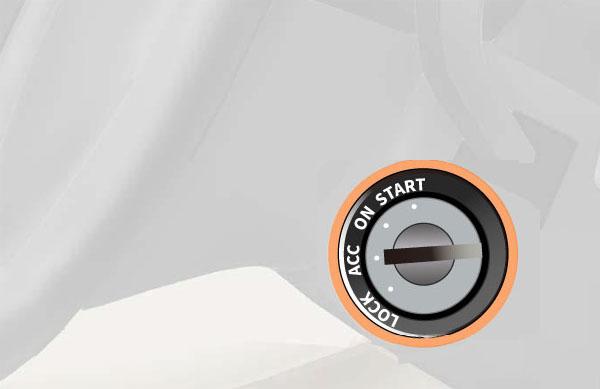
A. Right
B. Wrong
Answer: B
18. A person can not apply the motorized vehicle driving license, if he has been held for criminal liabilities according to law because of driving after drinking and causing a major traffic accident.
A. Right
B. Wrong
Answer: A
19. When discovering the persons injured in a traffic accident need rescue while driving, the driver should _________.
A. Send the injured persons to hospital in a timely manner or make emergency calls
B. Dodge as much as possible
C. Go ahead by bypassing the scene
D. Find an excuse to dodge the scene
Answer: A
20. How to drive through the intersection without traffic lights?
A. reduce speed and go slowly
B. speed up and pass
C. let large vehicle go first
D. let the left vehicle go first
Answer: A