

1. Whats the meaning of this sign?

A. Road traffic flow monitoring
B. Deceleration photographed area
C. Full section snapshot
D. Traffic monitoring equipment
Answer: D
2. Whats the meaning of this sign?
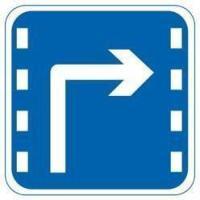
A. right-turn lane
B. U turn lane
C. left-turn lane
D. lanes for going in different directions
Answer: A
3. Whats the meaning of this sign?
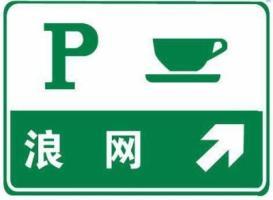
A. expressway parking area ahead
B. expressway shelter ahead
C. expressway car park ahead
D. expressway service area ahead
Answer: A
4. The police can detain the vehicle if one drives a vehicle without ______
A. vehicle license
B. qualification certificate
C. ID card
D. pass paper
Answer: A
5. The main impact of rainy weather on safe driving is _______.
A. The road is wet and slippery and the visibility is poor
B. The engine is prone to stop
C. The resistance to the vehicle increases
D. The electric equipment is prone to getting wet and causing short circuit
Answer: A
6. It lights to indicate that ______

A. the hazard lights flash
B. right-turn signal flashes
C. left-turn signal flashes
D. front and rear width lights flash
Answer: A
7. Whats the meaning of this sign?
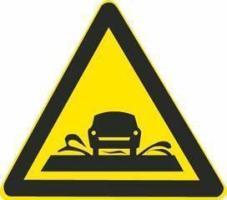
A. muddy road
B. low-lying road
C. overflowing road
D. ferry
Answer: C
8. When the driver is suspected of drinking or drunk in a traffic accident, preserve the scene and immediately report to the police.
A. Right
B. Wrong
Answer: A
9. Whats the meaning of this guide arrow on the road?

A. left curve or need to bypass from left side ahead
B. merge with the left flow due to obstacle ahead
C. right curve or need to merge with the right flow ahead
D. left curve or need to merge with the left flow ahead
Answer: C
10. A motorized vehicle driver who escapes or commits other extremely serious acts after causing a major accident in violation of the traffic regulations is subject to a prison term of more than 7 years.
A. Right
B. Wrong
Answer: B
11. When driving at night, the driver should go at a lower speed because his field of vision is limited and he can hardly observe the traffic conditions beyond the area covered by his vehicle light.
A. Right
B. Wrong
Answer: A
12. When passing through an inundated road, the driver should ________.
A. Reduce speed and go slowly
B. Maintain the normal speed and pass
C. slide over in the neutral gear
D. Speed up and pass
Answer: A
13. What is this instrument?
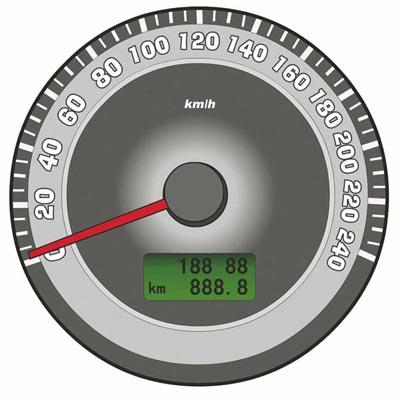
A. speed and mileage meter
B. engine tachometer
C. top speed meter
D. fuel consumption / 100 km
Answer: A
14. After starting the engine, it lights to indicate that ______

A. fuel pump abnormal or malfunction
B. ignition system malfunction
C. fuel supply system is abnormal
D. fuel in tank reaches the minimum level
Answer: D
15. Driving a motorized vehicle on the highway which has no central line, the maximum speed can not exceed 70 kilometers per hour.
A. Right
B. Wrong
Answer: B
16. How long is the period of probation of a motor vehicle driver who has applied for a driver license for the first time?
A. 18 months
B. 16 months
C. 12 months
D. 6 months
Answer: C
17. A vehicle is not allowed to reverse on the ramp of an expressway.
A. Right
B. Wrong
Answer: A
18. This sign warns the driver to run slowly with care and beware of the vehicles from horizontal road.
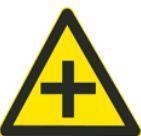
A. Right
B. Wrong
Answer: A
19. When reaching a sharp curve, the driver should reduce speed and drive on the right side so as to avoid colliding with the vehicle crossing the central line of the curve in the opposite direction.
A. Right
B. Wrong
Answer: A
20. This set of the hand signals of the traffic police indicates that the vehicles should ___ .
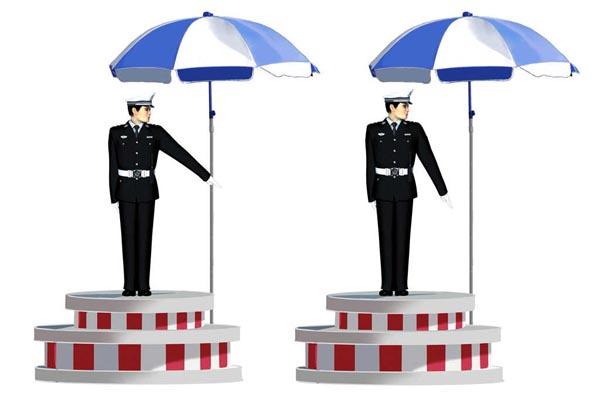
A. turn left
B. wait to turn left
C. reduce speed and pass slowly
D. turn right
Answer: B