

1. What does the traffic light mean?
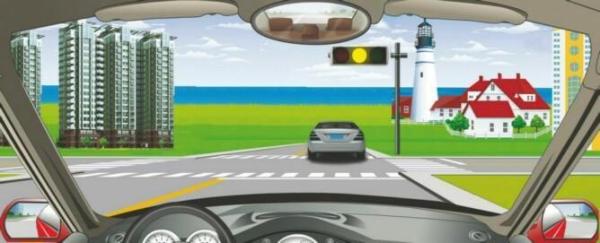
A. no right turn
B. intersection warning
C. going straight is allowed
D. speed up and pass
Answer: B
2. Whats the meaning of this figure mark on the road?
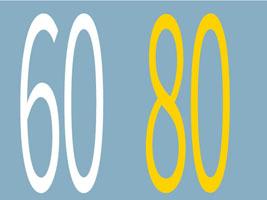
A. a mark of keeping distance
B. a mark of minimum distance
C. a mark of speed limit
D. a mark of road number
Answer: C
3. What is the main role of the seat belt when there is a collision?
A. to protect the driver and passengers necks
B. to protect the driver and passengers chests
C. to reduce the injuries of the driver and passengers
D. to protect the driver and passengers waists
Answer: C
4. If the registration paper, license plate and vehicle license of a motorized vehicle are lost or destroyed, the vehicle owner should apply for reissuing or replacing them to the vehicle management station at the residential place.
A. Right
B. Wrong
Answer: B
5. Whats the meaning of this sign?
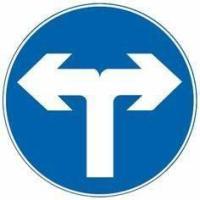
A. no left turn
B. left and right turn
C. no left and right turn
D. no right turn
Answer: B
6. When a traffic accident causing human injuries, preserve the scene and immediately report to the police.
A. Right
B. Wrong
Answer: A
7. What marking is the white polylines in the circle?
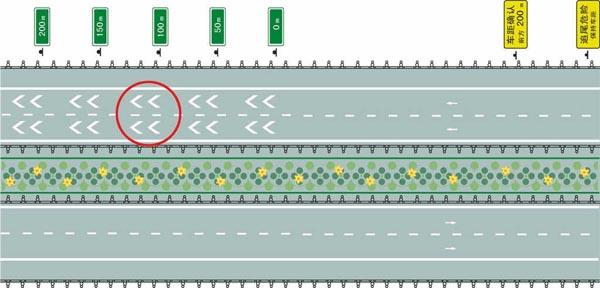
A. ascertaining the distance between the vehicles
B. driving at reduced speed
C. ascertaining the speed of the vehicles
D. reducing the speed at the intersection
Answer: A
8. At night, the drivers observation is markedly poorer than in the daytime and the range of visibility range is _______.
A. Unchanged
B. Irregular
C. Longer
D. Shorter
Answer: D
9. Which is correct when learning driving on road?
A. drive the corresponding coach car with coach sitting by to guide
B. drive the corresponding coach car alone
C. drive the corresponding coach car with other one who is not a coach sitting by to guide
D. drive the private car with coach sitting by to guide
Answer: A
10. A motorized vehicle is not allowed to make a U turn at the level crossing, bridge, steep slope, tunnel or dangerous road section.
A. Right
B. Wrong
Answer: A
11. According to rules on the road traffic safety, the maximum speed on the expressway is less than 120km/hr, thus, it will not be in violation of the traffic regulations as long as the speed does not exceed 120km/hr on the expressway.
A. Right
B. Wrong
Answer: B
12. When a vehicle changes lane, the driver should turn on the turn signal in advance,observe traffic conditions, maintain a safe distance and move into the new lane.
A. Right
B. Wrong
Answer: A
13. Whats the meaning of this sign?
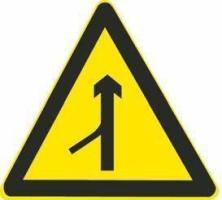
A. Y-shaped intersection
B. main road yield
C. attention to branching
D. attention to merging
Answer: D
14. Can leave the expressway into the ramp from this location directly.
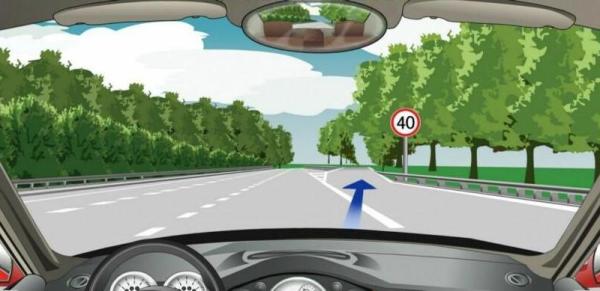
A. Right
B. Wrong
Answer: B
15. After starting the engine, it lights to indicate that ______

A. engine main oil way blockage
B. engine oil pressure is too low
C. engine crankshaft box leaks
D. engine oil pressure is too high
Answer: B
16. Whats the meaning of this sign?
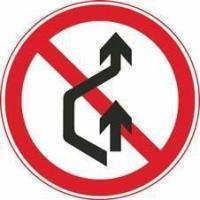
A. no borrowing lane
B. no changing lane
C. no overtaking
D. no U turn
Answer: C
17. Driving in a dusty weather, it does not needed to turn on the head light, the contour light and the tail light.
A. Right
B. Wrong
Answer: B
18. Whats the meaning of this sign?
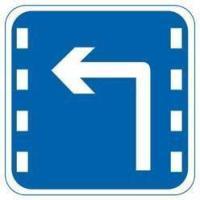
A. right-turn lane
B. U turn lane
C. left-turn lane
D. lanes for going in different directions
Answer: C
19. A motorized vehicle driver who uses falsified or altered driving license is subject to a 12-point penalty.
A. Right
B. Wrong
Answer: A
20. Using the low beam light in such circumstances.
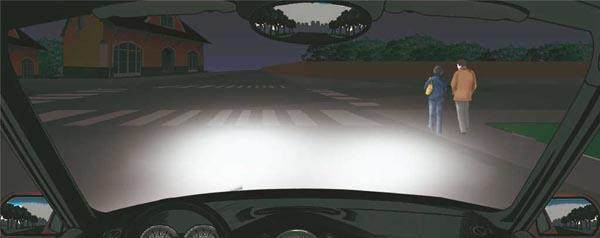
A. Right
B. Wrong
Answer: A