

1. When running on an expressway that has four lanes in the same direction, the vehicles whose speed is higher than 110 kilometers per hour should run ______.
A. The far left lane
B. The second left lane
C. The far right lane
D. The third left lane
Answer: A
2. childrens passage
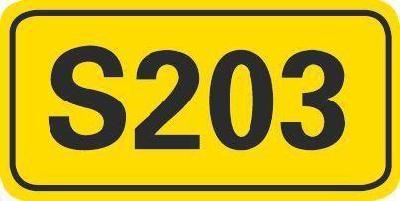
A. provincial highway No.
B. national highway No.
C. county road No.
D. township road No.
Answer: A
3. May speed up to go through the crosswalk in this situation.
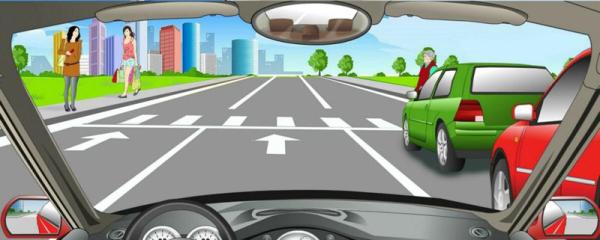
A. Right
B. Wrong
Answer: B
4. A motorized vehicle driver who does not hang the license plate is subject to a ________.
A. 6-point penalty
B. 12-point penalty
C. 2-point penalty
D. 3-point penalty
Answer: B
5. Whats the meaning of this sign?
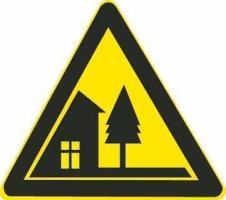
A. watch for pedestrians
B. crosswalk
C. village or town
D. primary school
Answer: C
6. Whats the meaning of the yellow filled markings on the road?
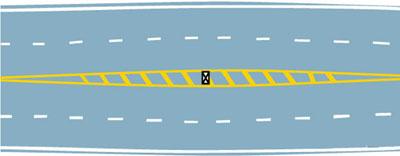
A. closing to the obstacle
B. closing narrowed road
C. closing the moving obstacle
D. Marking of approaching a narrow road
Answer: A
7. When overtaking a vehicle stopping on the right side, the driver should ________ in case that vehicle starts up suddenly or opens the door.
A. Speed up and pass
B. Keep honking
C. Maintain the normal speed
D. Keep a safe horizontal distance from that vehicle, reduce speed and pass
Answer: D
8. Can leave the expressway into the ramp from this location directly.
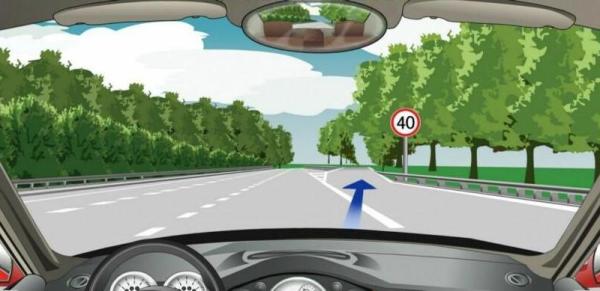
A. Right
B. Wrong
Answer: B
9. How to run if this traffic light continuously flashes?
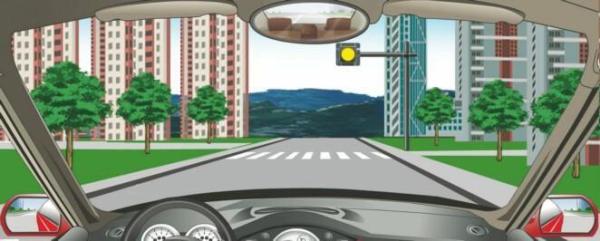
A. speed up and pass as soon as possible
B. stop by the side to wait
C. look and make sure it is safe to pass
D. apply emergency braking
Answer: C
10. This sign warns the driver to run slowly with care and beware of the vehicles from horizontal road.
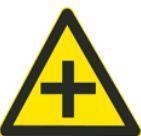
A. Right
B. Wrong
Answer: A
11. When driving in icy and snowy weather, ________.
A. The braking distance becomes longer
B. The resistance to slide becomes larger
C. The braking performance does not change
D. The road grip becomes stronger
Answer: A
12. What marking is the yellow road surface in the center of the intersection?
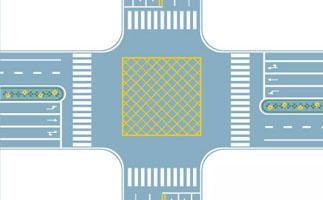
A. central circle
B. guide line
C. cross-hatched marking
D. parking area
Answer: C
13. The main impact of muddy roads on safe driving is _________.
A. The resistance to the vehicle becomes weaker
B. The tires can easily spin and skid
C. The visibility become lower and blurs the field of vision
D. The road grip becomes stronger
Answer: B
14. How often should a driver who is more than 60 years old present the certificate of physical conditions?
A. every 3 years
B. every 2 years
C. every 6 months
D. every 1 year
Answer: D
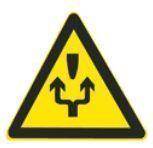
15. This sign indicates construction section ahead and bypassing from left or right side.
A. Right
B. Wrong
Answer: B
16. In which situation that a driver will not allowed to drive?
A. penalty points reach 10 points
B. penalty points reach 6 points
C. driving license lost or destroyed
D. driving license is nearly expired
Answer: C
17. Whats the meaning of this sign?
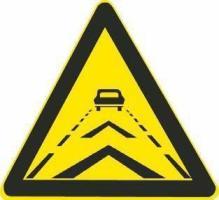
A. section narrows on both sides
B. section for speed test
C. section for ascertaining the distance between the vehicles
D. pay attentions to keeping distance
Answer: D
18. Whats the meaning of this sign?
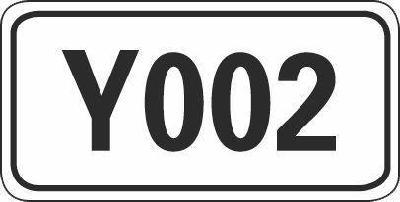
A. provincial highway No.
B. county road No.
C. township road No.
D. national highway No.
Answer: C
19. It is a bad habit for a driver to put his left arm on the window of the vehicle or hold the gear lever in his right hand for a long time.
A. Right
B. Wrong
Answer: A
20. A motorized vehicle driver who has not yielded to the school bus according to stipulations is subject to a 6-point penalty.
A. Right
B. Wrong
Answer: A