

1. Whats the meaning of this sign?
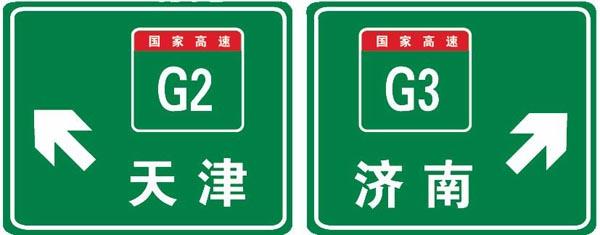
A. expressway right side exit ahead
B. expressway next exit indication
C. expressway location and direction indication
D. expressway left side exit ahead
Answer: C
2. Turn on the right-turn signal and return immediately to the original lane afterovertaking.
A. Right
B. Wrong
Answer: B
3. In the course of reversing, the driver should move slowly, observe the conditions on both sides and in the rear and be ready to stop anytime.
A. Right
B. Wrong
Answer: A
4. The double yellow solid lines in the middle of the road are used to separate the traffic flow in opposite directions, crossing the lines to overtake or make a turn is allowed if it is safe.
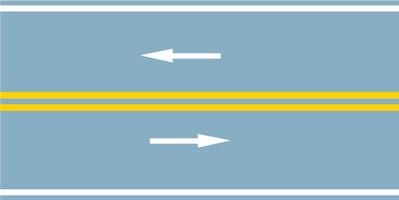
A. Right
B. Wrong
Answer: B
5. When overtaking a vehicle stopping on the right side, the driver should ________ in case that vehicle starts up suddenly or opens the door.
A. Speed up and pass
B. Keep honking
C. Maintain the normal speed
D. Keep a safe horizontal distance from that vehicle, reduce speed and pass
Answer: D
6. This sign reminds there is a ferry ahead for vehicles.
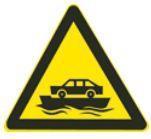
A. Right
B. Wrong
Answer: A
7. Stop and yield to the pedestrians under this situation.
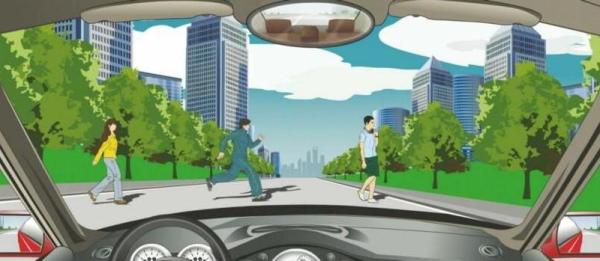
A. Right
B. Wrong
Answer: A
8. A vehicle running on an expressway may frequently change lanes.
A. Right
B. Wrong
Answer: B
9. What does this sign mean?
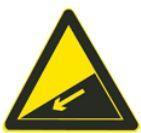
A. Reminding the side of a reservoir, lake or river ahead
B. Reminding the steep uphill road ahead
C. Reminding the steep downhill road ahead
D. Reminding continuous two or more up slopes ahead
Answer: C
10. Reduce speed or stop to look before the stop line when encountering this traffic light at the intersection.
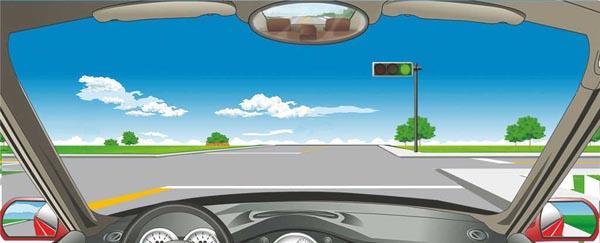
A. Right
B. Wrong
Answer: B
11. Whats the meaning of this sign?
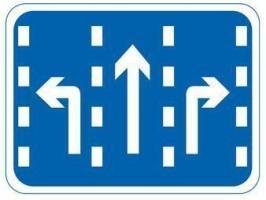
A. left-turn lane
B. straight-going lane
C. right-turn lane
D. lanes for going in different directions
Answer: D
12. The driver who chases and races while driving on the road, and commits serious acts is subject to ______
A. a prison term of 6 months
B. a prison term of more than 1 year
C. a criminal restriction and a fine
D. a criminal detention and a fine
Answer: D
13. When encountering stopping in turn or slow-moving vehicles in front at an intersection where lanes are reduced, the motorized vehicle should _________.
A. enter the intersection from road shoulder by the right side of the vehicle in front
B. enter the intersection from the side of interspace
C. pass alternately with one vehicle each lane to enter the intersection
D. change to left lane and cut in to enter the intersection
Answer: C
14. When seeing a watch for children sign while driving, the driver should _______.
A. Speed up and pass
B. Bypass
C. Maintain the normal speed
D. Carefully select a speed
Answer: D
15. When driving a vehicle on the road, the driver should drive safely at the prescribed speed.
A. Right
B. Wrong
Answer: A
16. Whats the meaning of this sign?
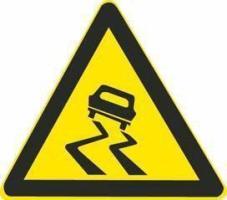
A. slippery section
B. sharp curve
C. test driving section
D. curve section
Answer: A
17. Whats the meaning of this sign?
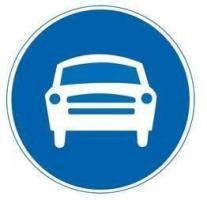
A. no passing for small vehicle
B. passing for small vehicle only
C. passing for motorized vehicle
D. no passing for small vehicle
Answer: C
18. Whats the meaning of this sign?
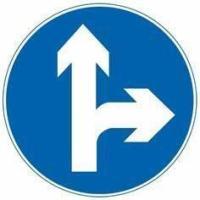
A. going straight and left turn
B. going straight and right turn
C. no going straight and no right turn
D. left turn and right turn only
Answer: B
19. No turning right at the intersection ahead.

A. Right
B. Wrong
Answer: B
20. Speeding up to go though the intersection before the light turns to red in this case.
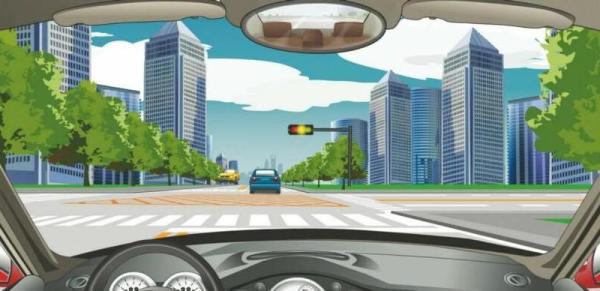
A. Right
B. Wrong
Answer: B