

1. It is extremely unsafe to take a motorcycle by the side; if the motorcycle sideslips, the passenger may be thrown out and led to death due to an unstable center of gravity.
A. Right
B. Wrong
Answer: A
2. Which measures is correct when a motor vehicle turn around?
A. Turn around in the turning lane
B. Should not turn on the turning light
C. Turn around in the straight lane
D. Turn on the left-turn signal in advance
Answer: AD
3. Under such circumstances, what should be done by motor vehicle drivers in order to yield to the pedestrians politely?
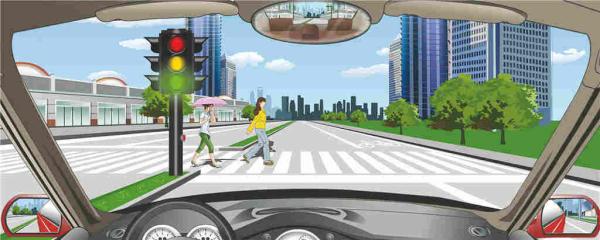
A. Set off after pedestrians pass
B. Set off and bypass in front of the pedestrians
C. Sound the horn to warn the pedestrians to yield
D. Set off and approach the pedestrians slowly
Answer: A
4. For a temporary stop on a foggy day, the driver should only turn on the fog lamp and the low-beam
A. Right
B. Wrong
Answer: B
5. When a motor vehicle encounters an accident, the driver should pay attention to whether there is fuel leakage, pipeline rupture, so as avoid accidents.
A. Right
B. Wrong
Answer: A
6. While driving a motorcycle, it is permitted to keep one hand on the handlebar but not allowed two hands leave handle bars at the same time.
A. Right
B. Wrong
Answer: B
7. When a motorcycle goes down a long slope, it should run at a lower gear and fully use the engine to brake.
A. Right
B. Wrong
Answer: A
8. When driving on a long downhill road, which is the best way to control driving speed?
A. Coast in neutral gear
B. Depress the clutch and coast
C. Use the engine to brake
D. Depress the brake pedal continuously
Answer: C
9. Whats the meaning of the white horizontal solid line in the circle?
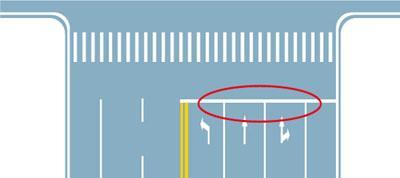
A. Turning waiting line
B. Deceleration line
C. Yielding line
D. Stop line
Answer: D
10. After a traffic accident, what is the most effective measure to prevent secondary accidents?
A. Evacuate all passengers
B. Turn on the hazard lamps
C. Mark the original place of the injured persons
D. Properly place the danger warning sign
Answer: ABD
11. What should be done by the driver who intends to overtake but the motor vehicle in front neither reduces its speed nor allows the right of way?
A. Continuously sounding the horn and accelerating to overtake
B. Accelerating and continuing to overtake
C. Refraining from overtaking
D. Following the vehicle in front closely and finding a chance to overtake
Answer: C
12. vehicles to pass an intersection marked with this sign?
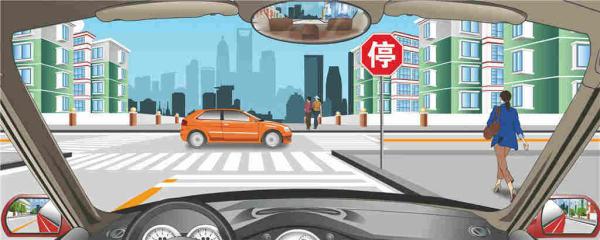
A. Stopping and observing the traffic situation around the intersection
B. Approaching the intersection by speeding up
C. Approaching the intersection at a reduced speed
D. Observing the traffic situation on the left rear side
Answer: A
13. Turning on the high-beam is an effective way to improve visibility in fog weather.
A. Right
B. Wrong
Answer: B
14. when passing an intersection without traffic lights, the driver finds people are crossing the street, the wrong measure for the driver to take is to __________.
A. Reduce speed or stop and yield
B. Honk to urge the pedestrians
C. Bypass
D. Weave through the pedestrians
Answer: BCD
15. Driving a motor vehicle in the downhill section of a mountain road avoids overtaking as much as possible because _______.
A. Vehicle resistance in downhill section is very high
B. Vehicles on downhill sections are more difficult to control than on flat roads due to gravity.
C. In downhill section, the front speed is faster and it is difficult to overtake.
D. Vehicles on downhill sections tend to be too fast due to gravity
Answer: BD
16. When driving on a foggy day, the driver should turn on the fog lamp.
A. Right
B. Wrong
Answer: A
17. What marking is the road mark?
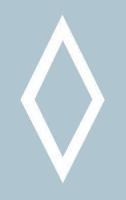
A. Crosswalk ahead
B. Intersection ahead
C. Reduce speed and yield ahead
D. Stop to yield ahead
Answer: A
18. Which of the following measures is correct for rescuing a person sustaining full-body burns?
A. Cover the fire with sandy soil
B. Spray cool water to his body
C. Put out the fire by extinguisher
D. Help to remove the burning clothes
Answer: B
19. What should the driver do when the motor vehicle encounters this situation in front of a school?

A. Bypass before the queue
B. Slow down and pass slowl
C. Stop promptly and yield
D. Go through in the spaces between the queues
Answer: C
20. Rescue personnel should check the breath of the unconscious person before applying any other emergency treatment.
A. Right
B. Wrong
Answer: A