

1. Speeding up to go though the intersection before the light turns to red in this case.
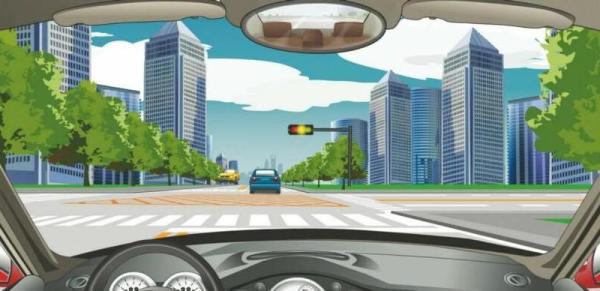
A. Right
B. Wrong
Answer: B
2. Whats the meaning of this sign?

A. bump road
B. high outburst road
C. low-lying road
D. hump bridge
Answer: B
3. When encountering a traffic accident ahead and help is needed while driving, the driver should ________.
A. Bypass to dodge it as much as possible
B. Immediately report to the police, stop and look on.
C. Help to preserve the scene and immediately report to the police
D. Speed up and pass to ignore it
Answer: C
4. Driving and smoking has no harm on safe driving.
A. Right
B. Wrong
Answer: B
5. The act of this small passenger vehicle to enter the expressway lane is correct.
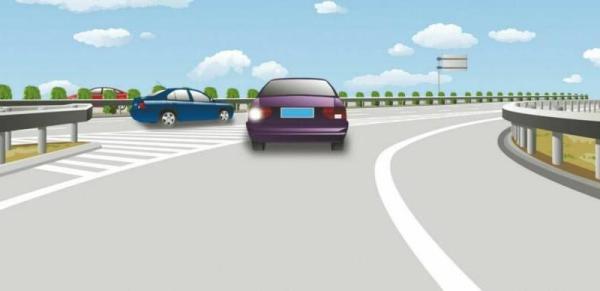
A. Right
B. Wrong
Answer: B
6. When a vehicle has to stop on an expressway due to a vehicle trouble, the driver should place a breakdown warning sign beyond ______ m behind the vehicle.
A. 25
B. 150
C. 100
D. 50
Answer: B
7. Driving a motorized vehicle on the road should be required to be with a license plate.
A. Right
B. Wrong
Answer: A
8. What is the max speed when down slope, turning around and U turn?
A. 50km/hr
B. 60km/hr
C. 30km/hr
D. 40km/hr
Answer: C
9. May directly turn left in front of the vehicle coming opposite when encountering this traffic light.
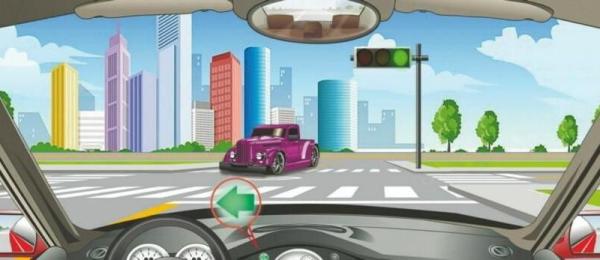
A. Right
B. Wrong
Answer: B
10. Whats the meaning of this sign?
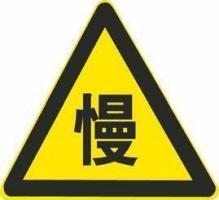
A. more vehicles section
B. passing slowly
C. jammed section
D. construction section
Answer: B
11. A motorized vehicle is not allowed to stop in the section 50 meters to the narrow road less than 4 meters width.
A. Right
B. Wrong
Answer: A
12. A motorized vehicle driver who drives after drinking is subject to a ________.
A. 3-point penalty
B. 2-point penalty
C. 6-point penalty
D. 12-point penalty
Answer: D
13. Whats the meaning of this sign?
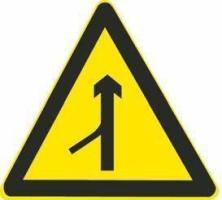
A. Y-shaped intersection
B. main road yield
C. attention to branching
D. attention to merging
Answer: D
14. When encountering school children crossing the road in a queue, the driver should ______.
A. Speed up in advance and pass forcefully
B. Stop to yield
C. Reduce speed and go slowly
D. Continuously honk to urge them
Answer: B
15. Whats the meaning of this sign?

A. going straight and turning left
B. going straight and turning right
C. going straight and turning right at an interchange
D. going straight and turning left at an interchange
Answer: C
16. If a motorized vehicle driver allows his vehicle to be driven by a person whose driving license has been detained, the traffic police will serve an oral warning.
A. Right
B. Wrong
Answer: B
17. Which kind of sign is it?

A. warning sign
B. directional sign
C. indicative sign
D. prohibitive sign
Answer: A
18. The braking system may malfunction if it lights.

A. Right
B. Wrong
Answer: A
19. A motorized vehicle driver who has not yielded to the school bus according to stipulations is subject to a 6-point penalty.
A. Right
B. Wrong
Answer: A
20. When a following vehicle gives the overtaking signal, the driver should ________ if conditions permit.
A. Move to the right side and speed up
B. Voluntarily reduce speed and drive along the right side
C. Yield a proper space and speed up
D. Reduce speed rapidly or apply an emergency braking
Answer: B