

1. When driving into the traffic flow on a main road from a relief road, drivers should speed up.
A. Right
B. Wrong
Answer: B
2. When there is bleeding at the bone fracture of a wounded person, the first thing to do is to keep it in position before stopping the bleeding and dress the wound.
A. Right
B. Wrong
Answer: B
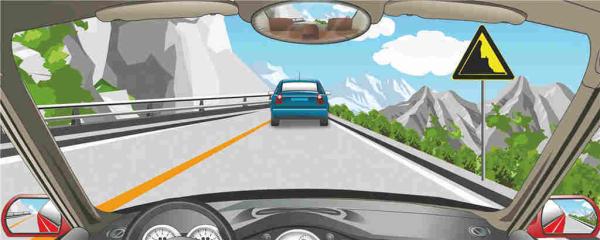
3. The sign on the right warns of a dangerous mountainside road ahead.
A. Right
B. Wrong
Answer: A
4. When driving on a muddy road, the driver should hold the steering wheel firmly and speed up to pass through.
A. Right
B. Wrong
Answer: B
5. Motor vehicles are not allowed to reverse in a tunnel.
A. Right
B. Wrong
Answer: A
6. Motor vehicle drivers don?ˉt need to fasten their seatbelt
A. Right
B. Wrong
Answer: B
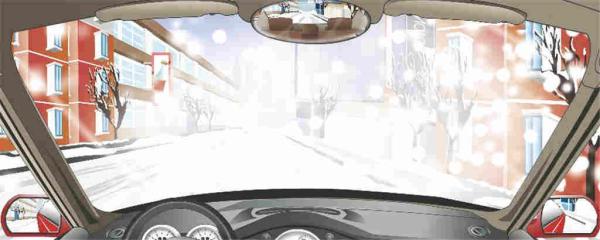
7. In the condition of low visibility, drivers should turn on the low-beam when setting off
A. Right
B. Wrong
Answer: A
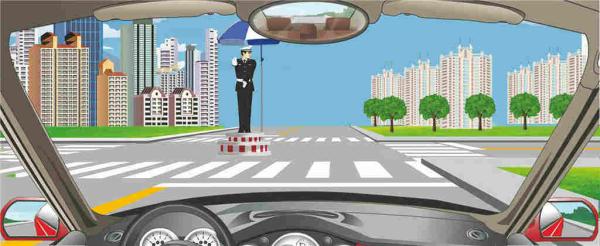
8. What should the driver do when seeing these hand signals?
A. Go straight and pass through the intersection
B. Stop and wait
C. Turn right at the intersection
D. Turn left at the intersection
Answer: B
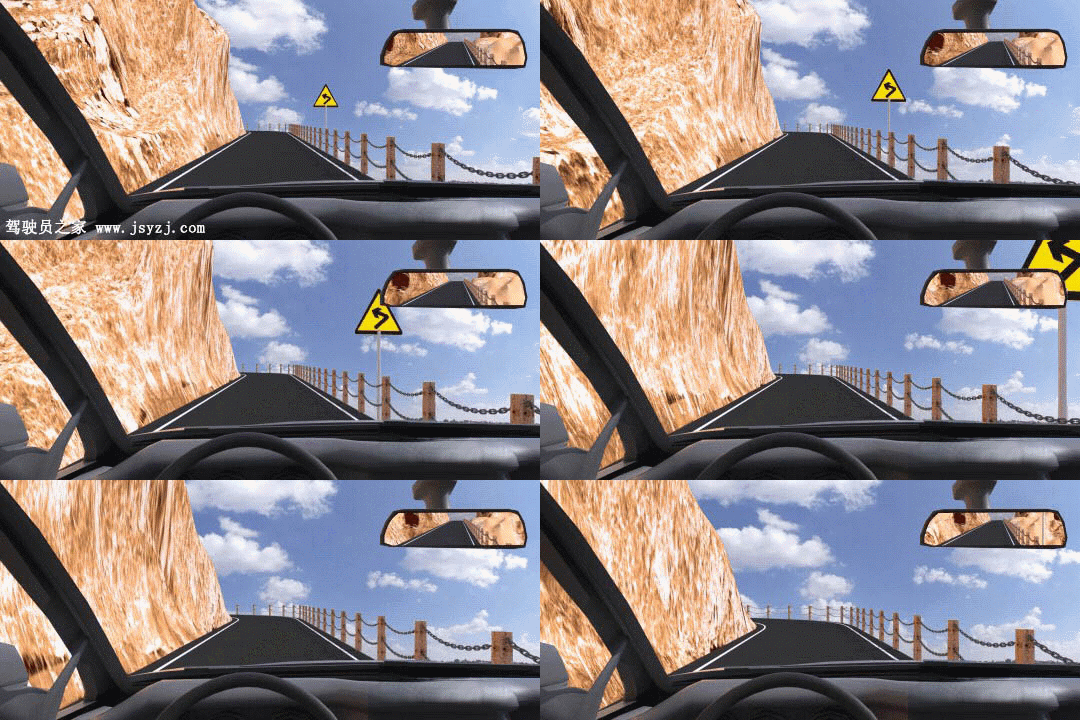
9. What should motor vehicle drivers do under the circumstance shown in the flash?
A. Drive by borrowing the opposite lane
B. Brake suddenly and pass through at a lower speed
C. Drive by the outer side of the curve
D. Reduce speed fully and drive by the right side
Answer: D
10. Which is the wrong measure to avoid tire burst?
A. Reduce tire pressure
B. Check tires regularly
C. Remove foreign matters from the tire tread grooves timely
D. Replace tires that have cracks or deep cuts
Answer: A
11. The sign on the right warns of a guarded railway crossing 100 meters ahead.
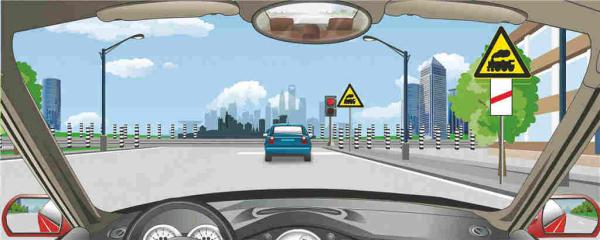
A. Right
B. Wrong
Answer: B
12. How many kinds of law-breaking acts are displayed in flash 2?
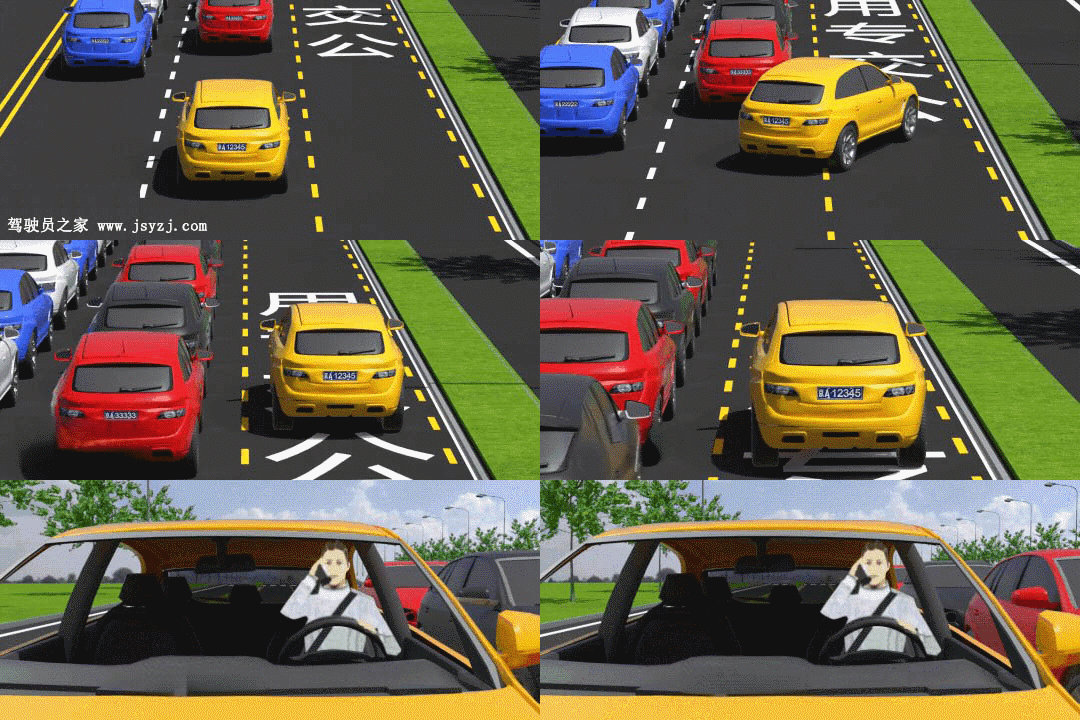
A. One
B. Two
C. Three
D. Four
Answer: B
13. Drivers may turn left when seeing these hand signals.

A. Right
B. Wrong
Answer: A
14. Mr. Qian drove a large sleeper coach with 45 passengers (capacity 40 people) at a speed of more than 40 kilometers per hour. On a long slope with sharp curves in Basu County, the coach fell into a 100-meter-deep valley, killing 17 people and injuring 20. What is the main illegal act committed by Mr. Qian?
A. Making a cellphone call while driving
B. Speeding
C. Carrying more people than permitted
D. Fatigued driving
Answer: BC
15. The sign in front indicates that vehicles except large passenger vehicles are not allowed to drive on the right lane.
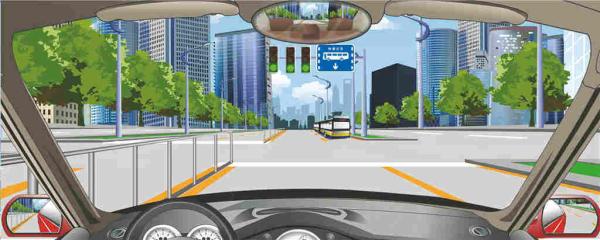
A. Right
B. Wrong
Answer: B
16. The sign on the right indicates that no restriction for temporary parking.
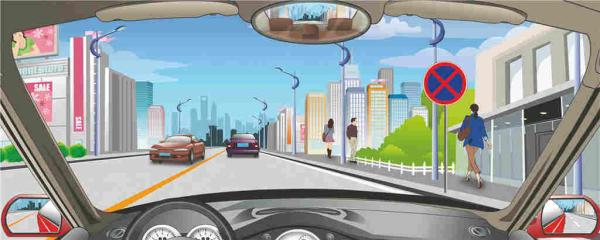
A. Right
B. Wrong
Answer: B
17. The sign on the right warns of a non-motor vehicle lane.
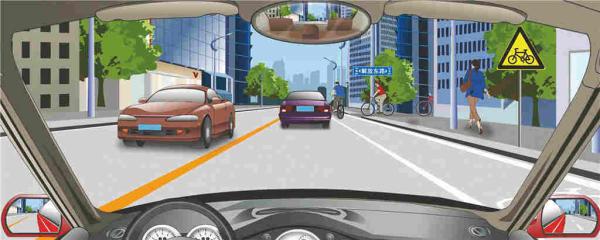
A. Right
B. Wrong
Answer: B
18. Motor vehicles are prohibited from turning left in this situation.
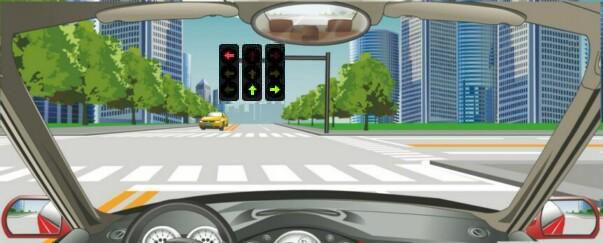
A. Right
B. Wrong
Answer: A
19. vehicles may stop temporarily in this area.
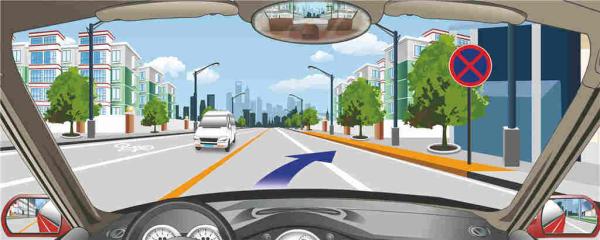
A. Right
B. Wrong
Answer: B
20. The sign on the right warns of an abrupt slope section ahead.
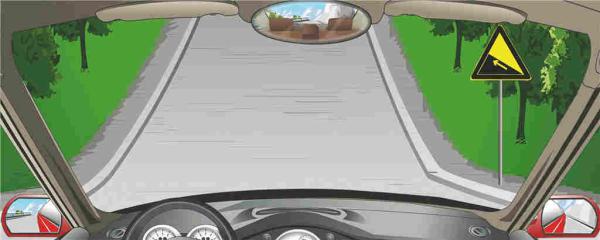
A. Right
B. Wrong
Answer: A