

1. When driving in windy, rainy, snowy, foggy and other complex weather conditions, the driver should turn on the head light, honk continuously and overtake rapidly if the vehicle in front goes slowly.
A. Right
B. Wrong
Answer: B
2. When driving at night, the drivers observation ability is visibly poorer and his visibility range becomes shorter than driving in the daytime.
A. Right
B. Wrong
Answer: A
3. How to pass when encountering this situation at the intersection?
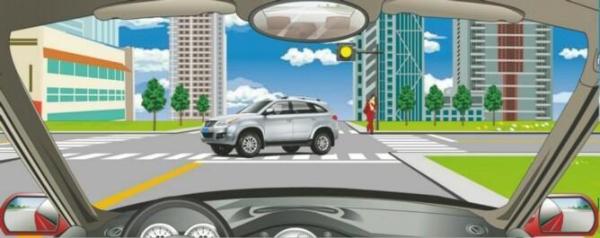
A. make sure it is safe to pass
B. turn right and speed up to pass
C. speed up and pass straight
D. turn left and speed up to pass
Answer: A
4. Whats the meaning of this sign?
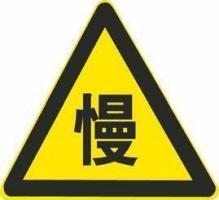
A. more vehicles section
B. passing slowly
C. jammed section
D. construction section
Answer: B
5. What kind of violation does the vehicle have while temporarily stopping by the roadside?
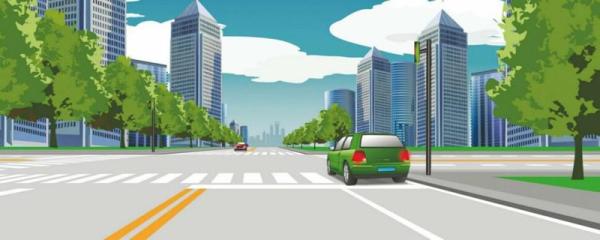
A. stop in the crosswalk
B. stop more than 30cm from the roadside
C. stop in the section with no stopping marking
D. stop occupying the lane for non-motorized vehicles
Answer: A
6. Whats the meaning of this sign?
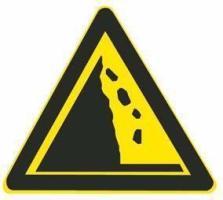
A. dangerous hillside road
B. cliff section
C. watch for dropping stone
D. dangerous section
Answer: C
7. Whats the meaning of this sign?
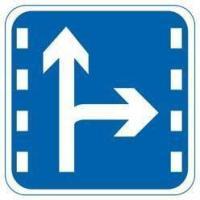
A. straight-going and left-turn lane
B. straight-going and side road exit lane
C. lane for both going straight and right turn
D. lanes for going in different directions
Answer: C
8. In which situation cannot overtake a vehicle in front?
A. vehicle in front is reducing speed to yield
B. vehicle in front is turning left
C. vehicle in front is pulling over by the roadside
D. vehicle in front is turning right
Answer: B
9. When the driver senses a tire blowout on the road, he should control the direction of the vehicle, gently depress the brake pedal to slowly reduce the speed and gradually park the vehicle steadily on the roadside.
A. Right
B. Wrong
Answer: A
10. It lights when turning on the rear fog light.

A. Right
B. Wrong
Answer: B
11. When bicycles ahead obstruct the traffic flow, the driver may honk to remind them,speed up and bypass.
A. Right
B. Wrong
Answer: B
12. Traffic Signs and traffic markings are not traffic signals.
A. Right
B. Wrong
Answer: B
13. If the vehicle license of a motorized vehicle are lost, the vehicle owner should apply to the vehicle management station at the registration place for reissuing.
A. Right
B. Wrong
Answer: A
14. How to run when encountering this situation?
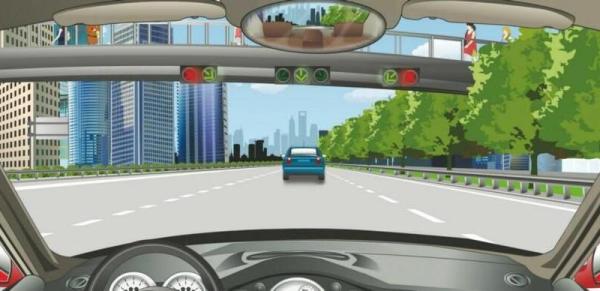
A. speed up to enter the lane of either side
B. enter the right lane
C. reduce speed and enter the lane of either side
D. can not run in the lane of neither side
Answer: D
15. Speed up and pass when encountering this traffic light at the intersection
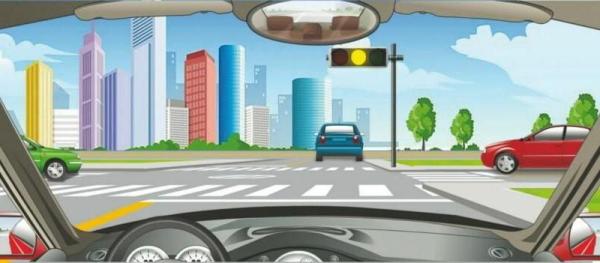
A. Right
B. Wrong
Answer: B
16. This set of the hand signals of the traffic police indicates that the vehicles should ___ .
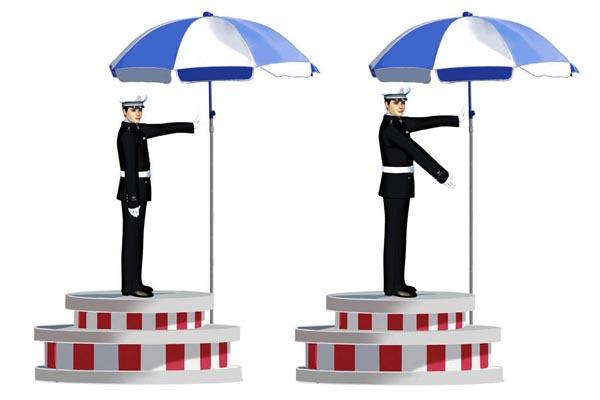
A. wait to turn left
B. pull over
C. turn right
D. reduce speed and pass slowly
Answer: C
17. One can drive the low-speed truck if the authorized vehicle applied for is small motor vehicle with automatic transmission.
A. Right
B. Wrong
Answer: B
18. A motorized vehicle runs on the road without a label of insurance, the traffic police can detain the vehicle license according to law.
A. Right
B. Wrong
Answer: B
19. How to run in this situation?
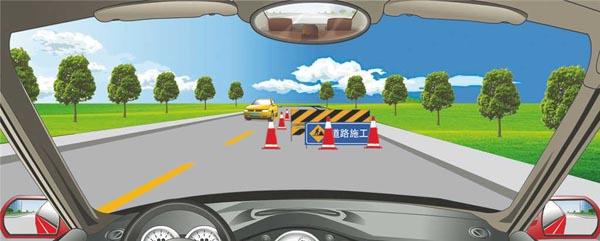
A. stop and yield to the opposite car
B. turn on the left-turn signal and run on the left side
C. turn on the head lights to let the other side yield
D. speed up to bypass the obstacle and then cross the other vehicle
Answer: A
20. May turn right in this situation.
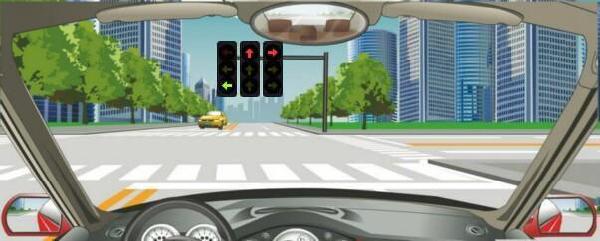
A. Right
B. Wrong
Answer: B