

1. What dangerous acts cant the driver conduct when driving downhill?
A. slide the vehicle in the neutral gear
B. driving in lower gear
C. braking to reduce speed
D. changing to the lower gear in advance
Answer: A
2. How to run on this road?
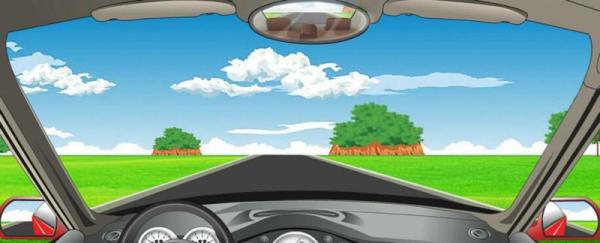
A. run in the middle of the road
B. run on both side of the road
C. run according to lanes
D. go forward at will
Answer: A
3. What does this symbol indicate?

A. luggage compartment is opened
B. engine compartment is opened
C. cover of fuel tank is opened
D. door of one side is opened
Answer: B
4. An unregistered motorized vehicle should have _________ if it has to run on the road temporarily.
A. certificate of legal origin
B. license plate for temporary moving
C. borrowed license plate
D. certificate of legal unit
Answer: B
5. Whats the meaning of this sign?
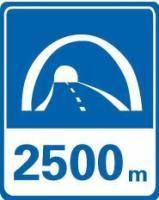
A. the distance from the tunnel exit
B. the distance from the tunnel entry
C. the distance of following the vehicle in front in the tunnel
D. the whole length of the tunnel
Answer: A
6. What is this traffic sign?
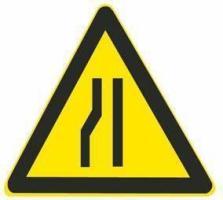
A. Road narrows on both sides
B. Road narrows on the right side
C. Road narrows on the left side
D. Bridge narrows
Answer: C
7. When driving in a rainstorm and the windscreen wiper cannot totally wipe off the rain water, the driver should ________.
A. Concentrate his attention and drive with care
B. Immediately reduce speed and stop at the road side
C. Maintain the normal speed
D. Drive at a reduced speed
Answer: B
8. Whats the meaning of this sign?
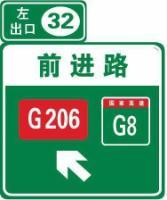
A. expressway next exit ahead
B. expressway right exit ahead
C. expressway left exit ahead
D. expressway destination indication
Answer: C
9. Honking in a foggy day can arouse the attention of the opposite side. After hearing the honking from the opposite side, the driver should also honk to respond.
A. Right
B. Wrong
Answer: A
10. What is the Minimum speed in this lane?
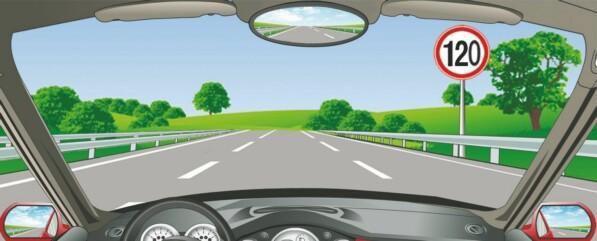
A. 100km/hr
B. 110km/hr
C. 60km/hr
D. 90km/hr
Answer: D
11. What pedal is it?

A. clutch pedal
B. brake pedal
C. handbrake
D. accelerator pedal
Answer: A
12. Which is correct when changing lane?
A. turn on the directional signal and turn left quickly
B. reduce speed properly when entering the left lane
C. cannot interfere other vehicles
D. speed up to enter the left lane
Answer: C
13. Whats the meaning of this guide arrow?

A. going straight and U turn are allowed ahead
B. left turn and U turn are allowed ahead
C. going straight and changing to left lane are allowed ahead
D. going straight and left turn are allowed ahead
Answer: B
14. When driving during the period of probation, the driver should paste or hang _____ on the rear part of the vehicle
A. a mark of avoiding with care
B. a mark of paying attention of beginner
C. a uniform probation mark
D. a mark of paying attention of vehicle distance
Answer: C
15. Whats the meaning of the marking in the red circle?
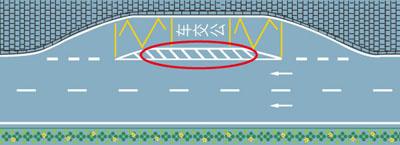
A. temporary stopping
B. large bus stopping
C. bus station
D. emergency stopping
Answer: C
16. Which is correct if a vehicle breaks down and is difficult to move?
A. turn on the hazard lights
B. turn on all the lights of the vehicle
C. forbid the passengers to get off
D. place a warning sign in front of the vehicle
Answer: A
17. Driving in a dusty weather, it does not needed to turn on the head light, the contour light and the tail light.
A. Right
B. Wrong
Answer: B
18. A person who has the expired driving license can drive motorized vehicle within 1 year.
A. Right
B. Wrong
Answer: B
19. Whats the meaning of this sign?
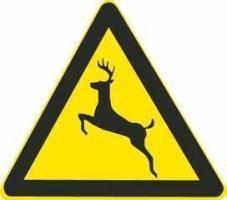
A. watch for wildlife
B. watch for animals
C. zoo park
D. opened pastoral area
Answer: A
20. What marking is the white solid lines in the circle?

A. guide lanes lines
B. variable guide lanes lines
C. direction guide lines
D. one-way driving lines
Answer: A