

1. Ignition switch in the ON position, the vehicle can not use electrical appliances.
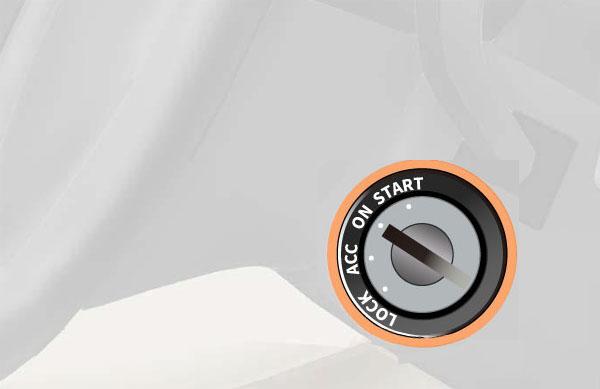
A. Right
B. Wrong
Answer: B
2. Whats the meaning of this sign?
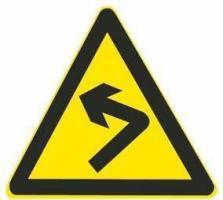
A. bypass from left side
B. continuous curves
C. sharp left curve
D. sharp right curve
Answer: C
3. Whats the meaning of this sign?
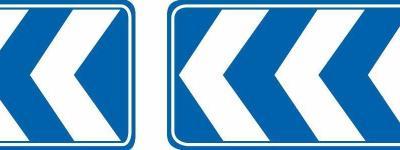
A. line guide signs
B. lane merging guide signs
C. lane branching guide signs
D. turning guide signs
Answer: A
4. No U turn at this section.

A. Right
B. Wrong
Answer: B
5. It is illegal for a driver to use a cell phone while driving.
A. Right
B. Wrong
Answer: A
6. If an improper place is chosen for crossing another vehicle, the driver should immediately _______.
A. Reduce speed and cross each other slowly, or stop to yield
B. Occupy the left lane to force the opposite party to reduce speed and yield
C. Turn the head light to indicate the opposite party to stop and yield
D. Speed up and select a better place
Answer: A
7. Whats the meaning of this guide arrow?
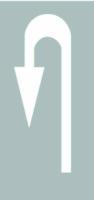
A. change to left lane
B. going straight ahead
C. U turn ahead
D. right turn ahead
Answer: C
8. Whitch kind of vehicle is prohibited from passing by this sign?
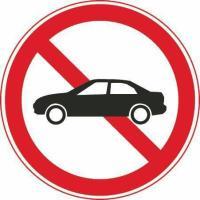
A. all kinds
B. small bus
C. midsize bus
D. small truck
Answer: B
9. Whats the meaning of this sign?
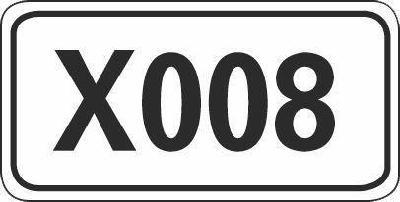
A. provincial highway No.
B. national highway No.
C. county road No.
D. township road No.
Answer: C
10. A person can not apply the motorized vehicle driving license, if he has been held for criminal liabilities according to law because of driving after drinking and causing a major traffic accident.
A. Right
B. Wrong
Answer: A
11. If a motorized vehicle breaks down or causes a traffic accident on the expressway and cannot to run normally, the vehicle should be towed by ______.
A. a vehicle passing by
B. a large bus
C. a vehicle traveling together
D. a tow truck
Answer: D
12. It lights to remind that engine coolant may be insufficient.

A. Right
B. Wrong
Answer: A
13. The age limit of applying for small vehicle is ________ .
A. 18~60 years old
B. 18~70 years old
C. 24~70 years old
D. 21~50 years old
Answer: B
14. This sign reminds the lane or the road narrows on the left side ahead.
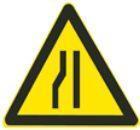
A. Right
B. Wrong
Answer: A
15. It lights to remind that the driver has not buckled up.

A. Right
B. Wrong
Answer: A
16. Whats the meaning of this sign?

A. fewer lanes
B. merging point
C. emergency lane
D. changing to left lane
Answer: A
17. Driving in a dusty weather, it does not needed to turn on the head light, the contour light and the tail light.
A. Right
B. Wrong
Answer: B
18. Whats the meaning of the white broken line by the carriage on the right side road?
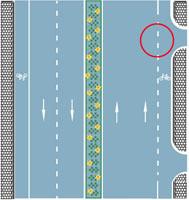
A. allowed to temporarily cross
B. prohibited from crossing
C. emergency lanes dividing line
D. crosswalk dividing line
Answer: A
19. Whats the meaning of the double white broken lines in far front of the intersection?
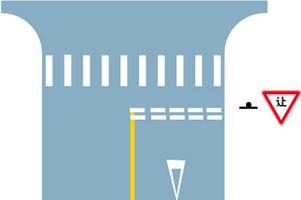
A. waiting to run line
B. stopping and yield line
C. slowdown and yield line
D. left-turn waiting line
Answer: C
20. What marking is the white solid lines in the circle?

A. guide lanes lines
B. variable guide lanes lines
C. direction guide lines
D. one-way driving lines
Answer: A