

1. Stop and yield to the pedestrians under this situation.
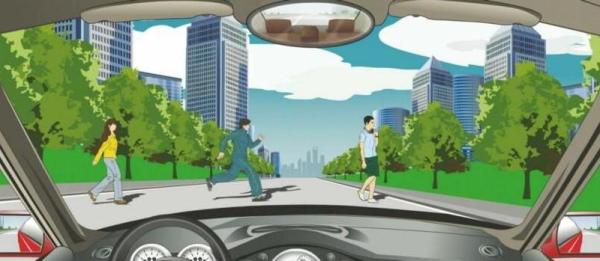
A. Right
B. Wrong
Answer: A
2. How to run through this intersection?
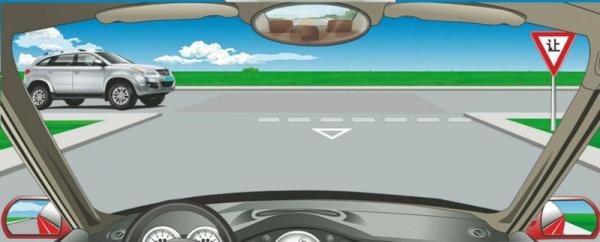
A. honk to let it yield
B. directly speed up to make a turn
C. reduce speed and turn slowly
D. yield the car coming from left
Answer: D
3. It lights to indicate that ______

A. charge current is too large
B. damaged battery
C. ammeter malfunction
D. charging circuit malfunction
Answer: D
4. Whats the meaning of this sign?
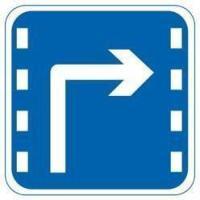
A. right-turn lane
B. U turn lane
C. left-turn lane
D. lanes for going in different directions
Answer: A
5. Whats the meaning of this sign?
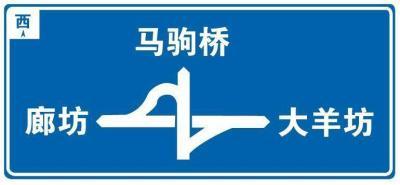
A. intersection ahead
B. interchange ahead
C. Y-shaped intersection ahead
D. ring intersection ahead
Answer: B
6. What should the driver do if conditions permit when a following vehicle gives the overtaking signal on a road without a central line?
A. maintain the original speed
B. speed up
C. reduce speed, move to the right side and yield
D. immediately stop and yield
Answer: C
7. How to run when encountering this situation?
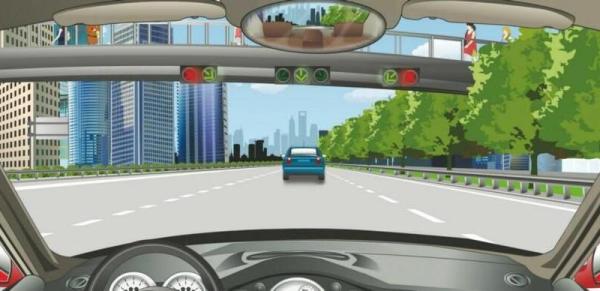
A. speed up to enter the lane of either side
B. enter the right lane
C. reduce speed and enter the lane of either side
D. can not run in the lane of neither side
Answer: D
8. The continuously flashing yellow light is to warn that the driver should look and make sure it is safe to pass.
A. Right
B. Wrong
Answer: A
9. The validity of the Admission Form is _________
A. 1 year
B. 2 years
C. 3 years
D. 4 years
Answer: C
10. Which kind of vehicle can be driven if the authorized vehicle applied for is small motor vehicle?
A. low-speed truck
B. midsize bus
C. motor tricycle
D. self-propelled wheeled machinery
Answer: A
11. When driving at night, the drivers visibility range becomes shorter and his observation becomes poorer. At the same time, the driver can easily become tired because he has to highly concentrate his attention.
A. Right
B. Wrong
Answer: A
12. What does the traffic light mean?

A. allowed to pass
B. draw attention
C. intersection warning
D. prohibited from passing
Answer: D
13. Displays the current speed is 20 km / h
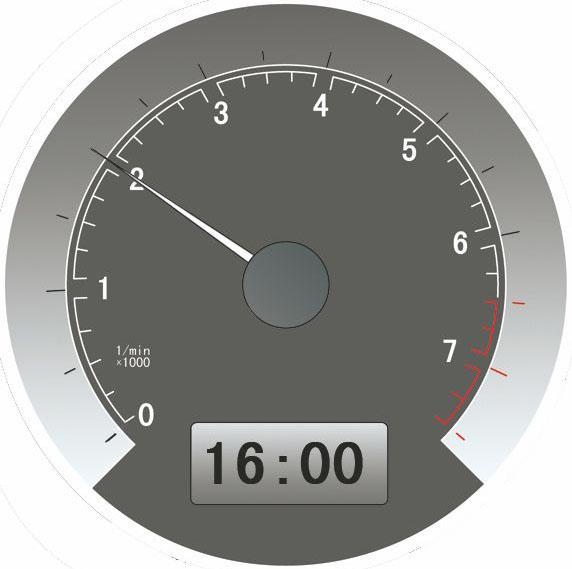
A. Right
B. Wrong
Answer: B
14. This set of the hand signals of the traffic police indicates that the vehicles should ___ .
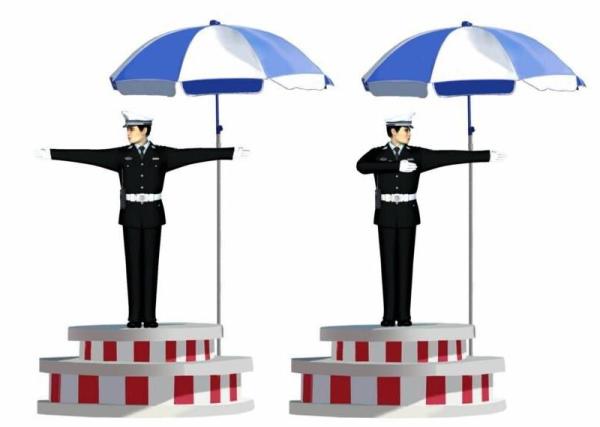
A. go straight
B. make a turn
C. stop
D. pull over
Answer: A
15. How to pass this intersection?
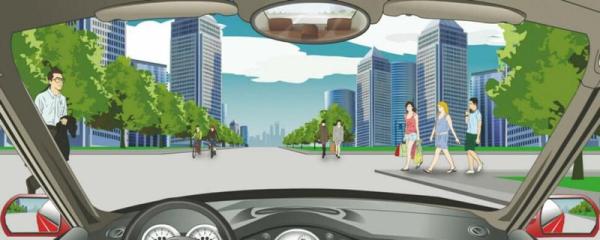
A. keep the speed and go through
B. honk to urge
C. reduce speed and go through slowly
D. speed up and go through
Answer: C
16. What is this traffic sign?
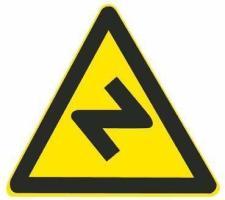
A. slippery section
B. sharp curve
C. inverse curve
D. continuous curves
Answer: C
17. Traffic Police can detain the vehicle which is suspected of using the falsified or altered license plate and vehicle license.
A. Right
B. Wrong
Answer: A
18. A person who has the expired driving license can drive motorized vehicle within 1 year.
A. Right
B. Wrong
Answer: B
19. What is the max speed on this expressway?
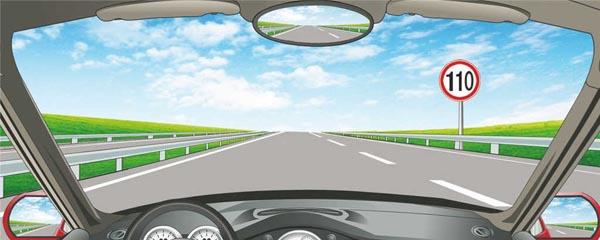
A. 110km/hr
B. 120km/hr
C. 90km/hr
D. 100km/hr
Answer: A
20. When a vehicle encounters a bike rider coming in the opposite direction on the road, the driver should _________.
A. Continuously change the high and low bean lights
B. Continuously honk
C. Use the low beam light, reduce speed or stop to evade
D. Use the high beam light
Answer: C