

1. The main reason for this accident is that the pedestrian crossed the street in front of the motor vehicle.
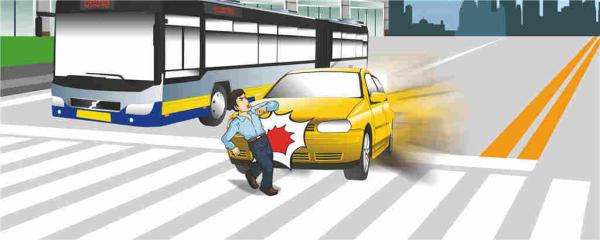
A. Right
B. Wrong
Answer: B
2. The sign on the right warns of a wildlife protection area ahead.
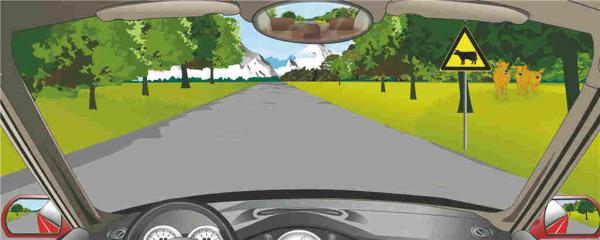
A. Right
B. Wrong
Answer: B
3. How to run when encountering this situation at the intersection?
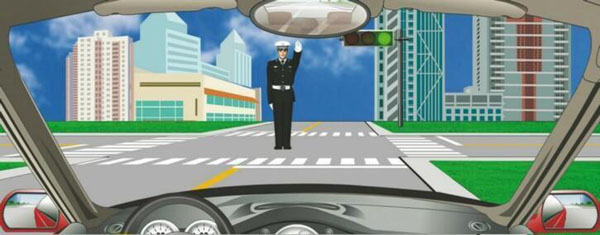
A. stop and wait
B. obey the traffic lights
C. run straight on the right side
D. may turn right
Answer: A
4. What should the driver do when the motor vehicle encounters this situation?
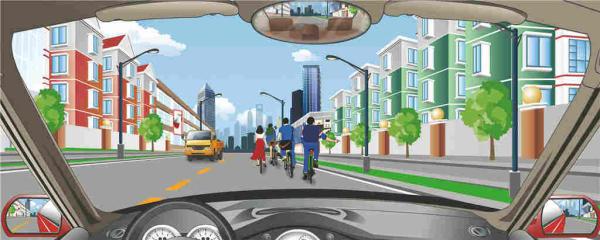
A. Overtake immediately
B. Sound the horn continuously to warn
C. Maintain safety distance and overtake
D. Sound horn and speed up to overtake
Answer: C
5. When encountering this situation on a mountainous road, motor vehicle drivers should overtake the vehicle in front by speeding up.
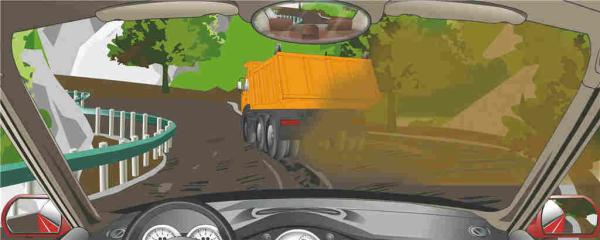
A. Right
B. Wrong
Answer: B
6. Drivers may turn right at the intersection when traffic police give these hand signals.
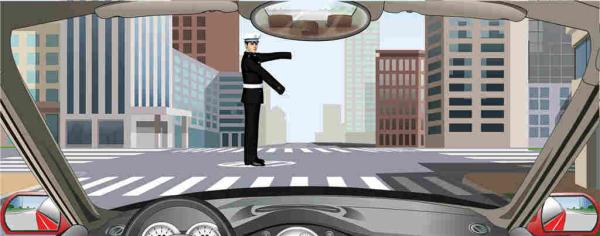
A. Right
B. Wrong
Answer: A
7. When temporarily parking on a raining day, what kind of lamp should the driver turn on?
A. Front and back fog lamps
B. Hazard warning lamp
C. Headlamp
D. Reversing lamp
Answer: B
8. Drivers are allowed to cross the broken and solid white line on the road when changing lanes or pulling over.
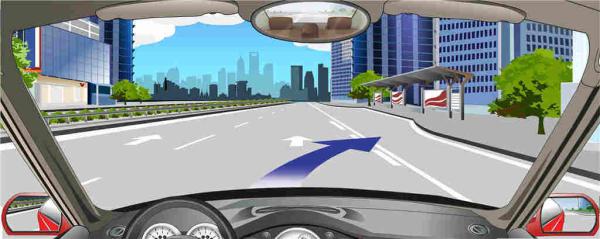
A. Right
B. Wrong
Answer: A
9. Motor vehicles are not allowed to reverse in a tunnel.
A. Right
B. Wrong
Answer: A
10. Under such circumstance at an intersection. motor vehicle drivers should be prepared to stop and yield at any time.
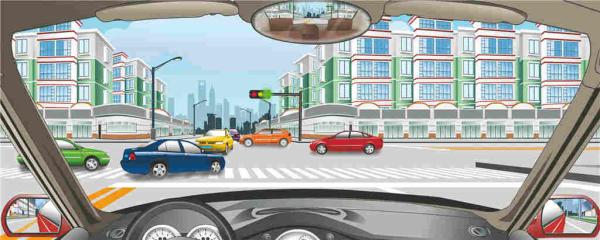
A. Right
B. Wrong
Answer: A
11. The broken white reflective line on the road warns that drivers should drive at a lower speed on the road section ahead.
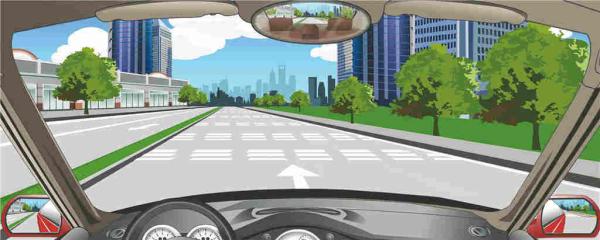
A. Right
B. Wrong
Answer: A
12. The sign on the right side warns of crosswind on the mountain pass ahead.
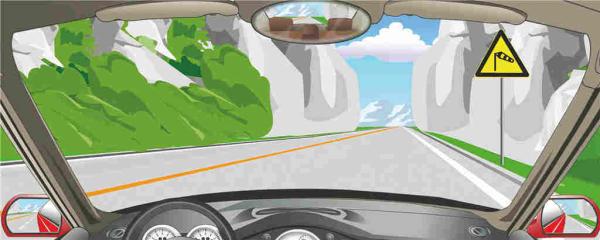
A. Right
B. Wrong
Answer: A
13. In such circumstances, which one of the following statements is the safest measure for a motor vehicle driver to take?
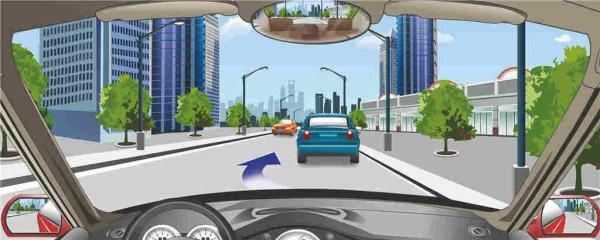
A. Accelerate to overtake the vehicle in front as soon as possible
B. Voluntarily reduce speed and refrain from overtaking
C. Sound the horn to warn the vehicle in front to yield
D. Turn on the headlamp to warn the oncoming vehicle to yield
Answer: B
14. When parking temporarily in this situation, motor vehicle drivers are allowed to turn the steering wheel right to avoid sliding.
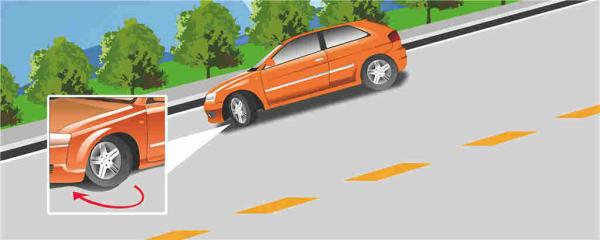
A. Right
B. Wrong
Answer: A
15. On which of the following roads may the wheels be most easily locked when braking?
A. Concrete road
B. Dirt road
C. Road covered by ice and snow
D. Sand road
Answer: C
16. When the tire pressure is too low, what can happen when driving at a high speed?
A. Tire pressure will be unstable
B. Tire pressure will increase
C. Driving resistance will decrease
D. The tire will burst
Answer: D
17. Drivers may temporarily cross these central solid double yellow lines when overtaking.
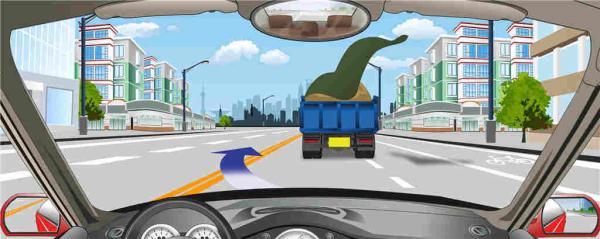
A. Right
B. Wrong
Answer: B
18. The sign on the right indicates a passing bay ahead.
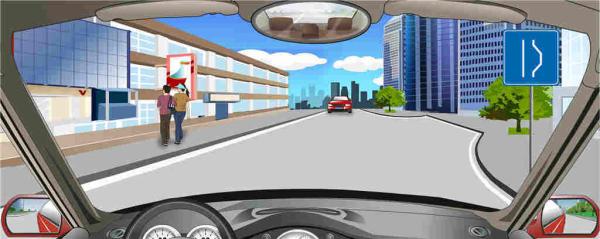
A. Right
B. Wrong
Answer: A
19. The sign indicates no overtaking on the section ahead.
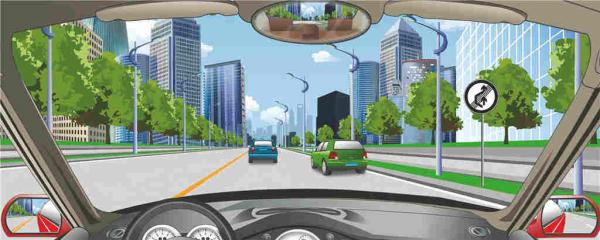
A. Right
B. Wrong
Answer: B
20. It is correct for the driver to drive on an expressway in the way shown in the flash.
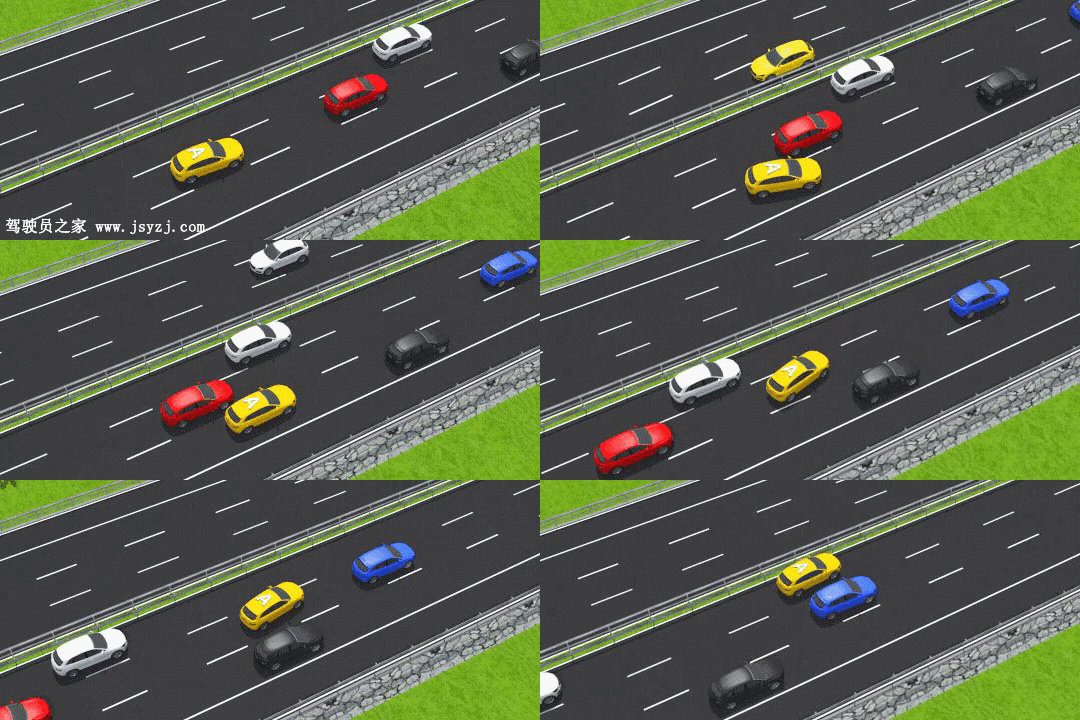
A. Right
B. Wrong
Answer: B