

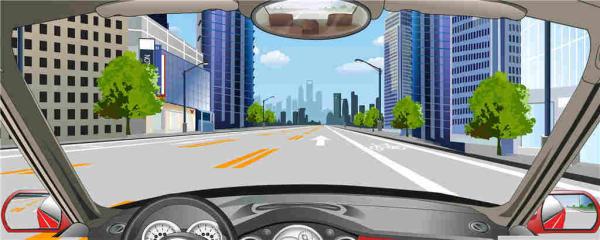
1. Two parallel broken double-yellow lines indicate the position of a diversion lane.
A. Right
B. Wrong
Answer: A
2. What should be checked before driving?
A. No parts need to be checked
B. Whether the tires have been cleaned
C. Where the spare tire is placed
D. The fastening and air pressure of tires
Answer: D
3. When driving on the expressway in a heavy rain, what should the driver do to avoid water sliding phenomenon?
A. Install slide-proof devices
B. Speed up
C. Slow down
D. Continue to depress the brake
Answer: C
4. How to pass the intersection when running straight
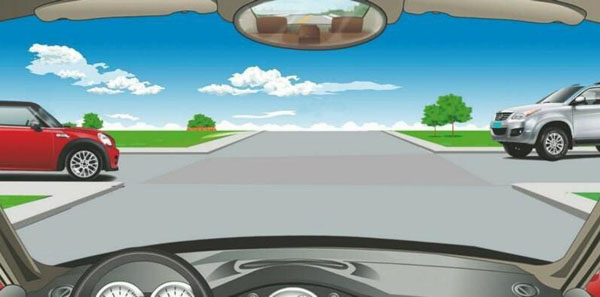
A. turn on the hazard lights and pass
B. directly speed up and pass straight
C. yield to the vehicle from the right road
D. yield to the vehicle from the left road
Answer: C
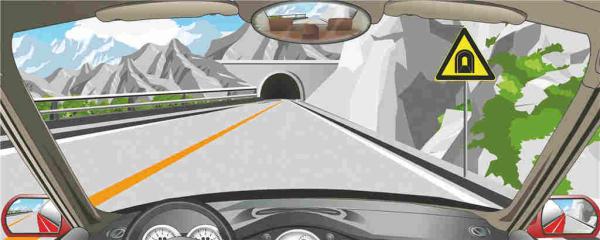
5. The sign on the right warns of a one-way tunnel ahead.
A. Right
B. Wrong
Answer: B
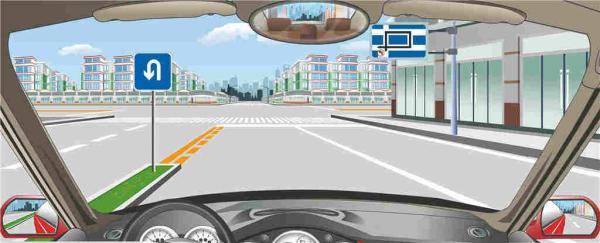
6. The sign on the right indicates a left-turn bypass route at the intersection ahead.
A. Right
B. Wrong
Answer: A
7. When driving in a strong wind, drivers should abruptly turn the steering wheel to return to the original direction if they feel the vehicle deviates horizontally due to a strong gale.
A. Right
B. Wrong
Answer: B
8. The sign in front indicates an indoor parking ground 100 meters ahead.
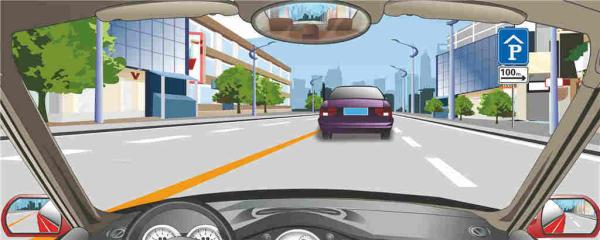
A. Right
B. Wrong
Answer: A
9. The sign in the red circle indicates that vehicles except non-motor vehicles are not allowed to drive in this lane.
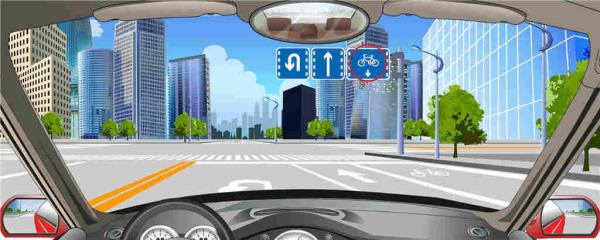
A. Right
B. Wrong
Answer: A
10. Mr. Tao drove a midsize bus with 33 passengers. At the spot of 163 kilometers on the South Xuping Expressway, the bus clashed at a speed of 120 kilometers per hour with Mr. Ans minibus parked without any warning signs on the inside lane, due to breakdown after an accident. The midsize bus overturned after collided with the guardrail on the right-hand side. As a result of the accident, 16 people were killed and 15 injured. What are the main illegal acts of the two drivers?
A. Mr. Tao carried more passengers than permitted
B. Mr. Tao exceeded speed limit
C. Mr. An failed to place any warning signs in accordance with relevant stipulations
D. Mr. An was illegally parked
Answer: ABC
11. What should the driver do when the motor vehicle encounters this situation?
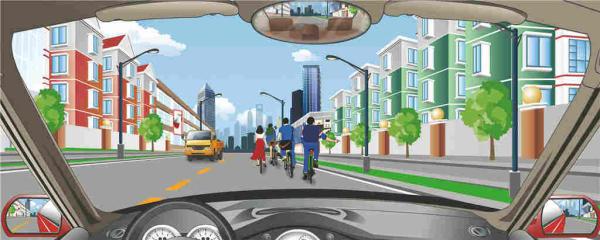
A. Overtake immediately
B. Sound the horn continuously to warn
C. Maintain safety distance and overtake
D. Sound horn and speed up to overtake
Answer: C
12. What should the driver do when seeing these hand signals?
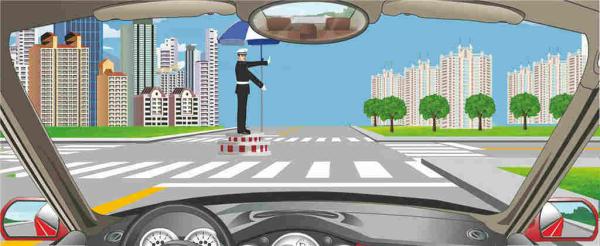
A. Go straight and pass through the intersection
B. Pull over
C. Drive to the waiting area for turning left
D. Turn right at the intersection
Answer: D
13. When there is no bandage for rescuing a wounded person, towels, handkerchiefs, bed sheets and stockings can all be used for dressing.
A. Right
B. Wrong
Answer: A
14. A motor vehicle should not obstruct other vehicles when it enters the driving lane from an acceleration lane.
A. Right
B. Wrong
Answer: A
15. As shown in the flash, the driver?ˉs act is correct.
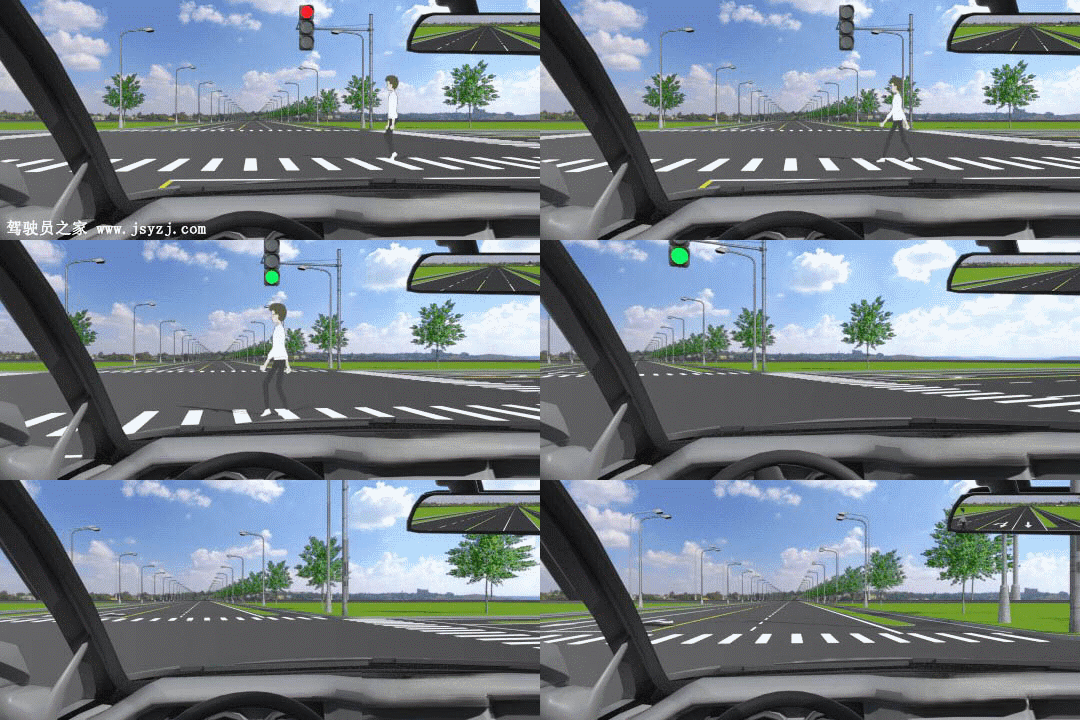
A. Right
B. Wrong
Answer: B
16. The sign on the right indicates that the speed limit is 50km/hour.
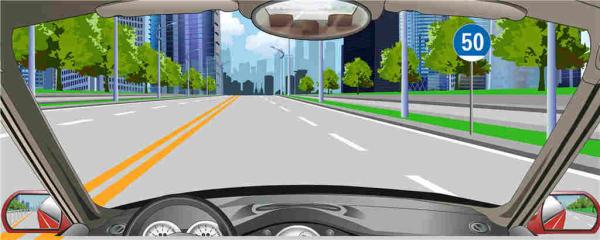
A. Right
B. Wrong
Answer: B
17. The road marking on the right lane indicates that drivers may temporarily borrow the special lane for buses.
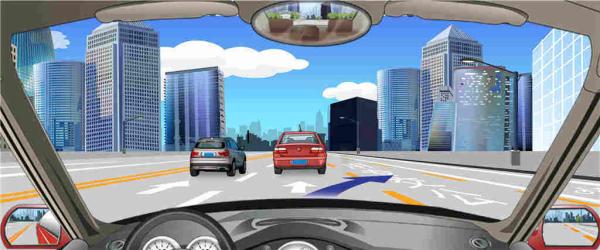
A. Right
B. Wrong
Answer: B
18. Which lamp should be turned on when motor vehicles pass through a road section at night where the street light condition is good?
A. Front and rear fog lamps
B. Low-beam
C. High-beam
D. Hazard lamp
Answer: B
19. When a motor vehicle on an expressway stops in an emergency due to breakdown or an accident, what should the driver and the passengers do?
A. Stand in front of the motor vehicle
B. Wait in the motor vehicle for rescue
C. Stand behind the motor vehicle
D. Promptly move to the road shoulder on the right side or the emergency lane
Answer: D
20. The sign on the right indicates that no long-sounding horn.
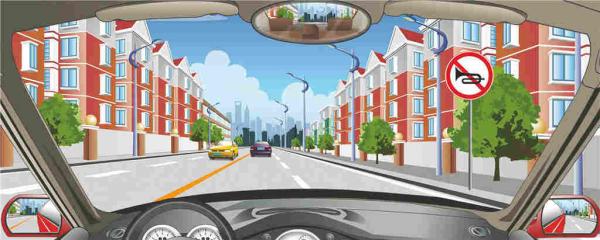
A. Right
B. Wrong
Answer: B