

1. These signs warn the driver danger ahead and passing with care.
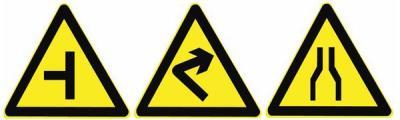
A. Right
B. Wrong
Answer: A
2. If a motorized vehicle driver has caused a major traffic accident in violation of the traffic regulations which has caused human death due to his escaping, the driver is subject to a prison term of _________.
A. less than 2 years
B. less than 3 years
C. less than 7 years
D. more than 7 years
Answer: D
3. Whats the meaning of this sign?
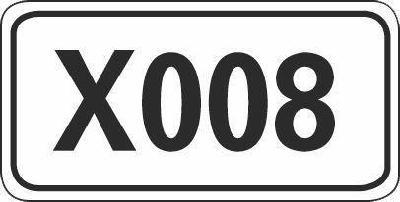
A. provincial highway No.
B. national highway No.
C. county road No.
D. township road No.
Answer: C
4. In such road sections, you can enter the cross-hatched marking area to wait.
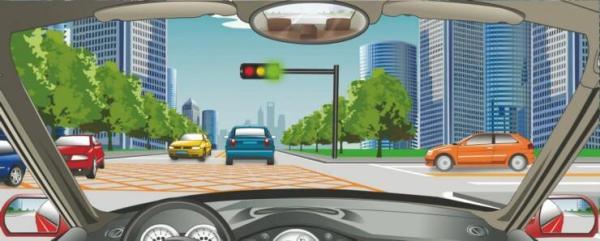
A. Right
B. Wrong
Answer: B
5. Traffic markings are divided into indication, warning and prohibition.
A. Right
B. Wrong
Answer: A
6. The continuously flashing yellow light is to warn that the driver should look and make sure it is safe to pass.
A. Right
B. Wrong
Answer: A
7. This sign indicates indoor car park here.
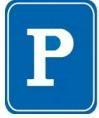
A. Right
B. Wrong
Answer: B
8. When driving on a mountain road covered by ice and snow, the vehicle behind should ______ if the vehicle in front is climbing a slope.
A. Climb slowly
B. Closely follow and climb
C. Select a proper place to stop and climb after the vehicle in front has passed
D. Rapidly overtake the vehicle in front
Answer: C
9. Whats the meaning of the yellow mark on the road?
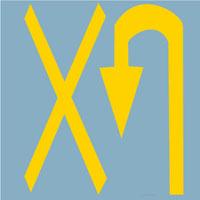
A. no going straight
B. allowed to make a U turn
C. no U turn
D. no making a turn
Answer: C
10. When a vehicle stops for a long time, the driver should select a car park to do so.
A. Right
B. Wrong
Answer: A
11. When driving in icy and snowy weather, the vehicle steadiness decreases and sudden acceleration can very easily cause spins and slides.
A. Right
B. Wrong
Answer: A
12. It lights to remind that the driver has not buckled up.

A. Right
B. Wrong
Answer: A
13. Whats the meaning of the yellow filled markings on the road?
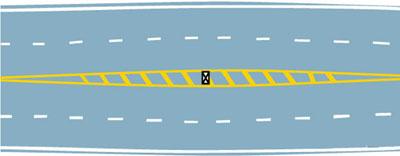
A. closing to the obstacle
B. closing narrowed road
C. closing the moving obstacle
D. Marking of approaching a narrow road
Answer: A
14. Whats the meaning of this sign?
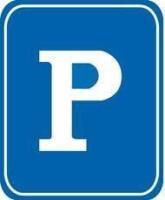
A. internal car park
B. special car park
C. uncovered car park
D. indoor car park
Answer: C
15. The behavior of a motorized vehicle driver who has violated the law and regulations on road traffic safety is _______ .
A. faulty act
B. violation of regulations
C. rule-breaking act
D. violation of law
Answer: D
16. This sign warns the driver to run slowly with care and beware of the vehicles from horizontal road.
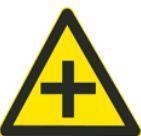
A. Right
B. Wrong
Answer: A
17. No turning right at the intersection ahead.

A. Right
B. Wrong
Answer: B
18. When a vehicle passes a school or a residential area, the driver should observe the signs and markings, go slowly and refrain from honking.
A. Right
B. Wrong
Answer: A
19. How to run if this traffic light continuously flashes?
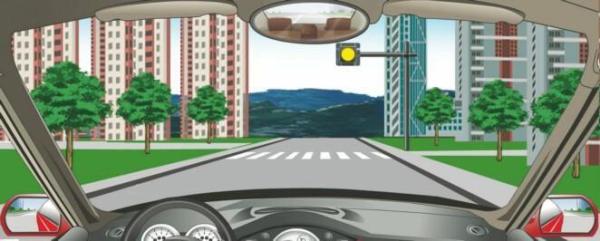
A. speed up and pass as soon as possible
B. stop by the side to wait
C. look and make sure it is safe to pass
D. apply emergency braking
Answer: C
20. When the tire pressure is too low, the fast-running tire can change its shape like waves and increase its temperature, which in turn can cause ________.
A. Even lower tire pressure
B. Increases resistance to the vehicle
C. Tire blowout
D. Unstable tire pressure
Answer: C