

1. The sign in front indicates an open-air parking lot with rest area is 200 meters ahead.
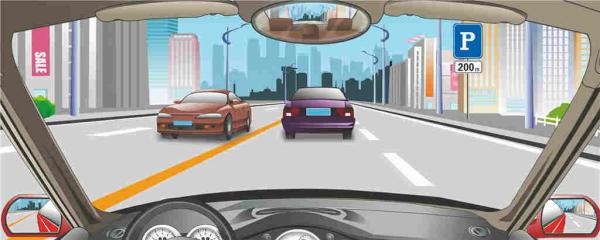
A. Right
B. Wrong
Answer: A
2. When rescuing a wounded person who has been poisoned by toxic gas, the first measure is to send him to a place with fresh air so that he will not continue to be poisoned.
A. Right
B. Wrong
Answer: A
3. What should the driver do upon finding that one of the left tires is leaking while driving?
A. Brake slowly to slow down
B. Brake swiftly to slow down
C. Turn to the right side swiftly
D. Apply emergency braking
Answer: A
4. When rescuing a wounded person who has been poisoned by toxic gas, which of the following measures should be taken first?
A. Prevent heat loss
B. Bring him to a place with fresh air
C. Give him artificial respiration
D. Depress the heart over the chest
Answer: B
5. When driving on a road covered with ice and snow drivers should not use the emergency brake but can apply a sharp turn.
A. Right
B. Wrong
Answer: B
6. When a motor vehicle deviates from the normal direction due to steering failure, what should the driver do?
A. Immediately steer and adjust
B. Reduce speed and stop the vehicle as early as possible
C. Steer to the side where there is no obstacle to evade
D. Steer to the side where there is an obstacle to evade
Answer: B
7. When driving on an expressway in rain, the driver should slow down to avoid steering failure arising from water slide
A. Right
B. Wrong
Answer: A
8. The road marker indicates that vehicles are not allowed to make a U-turn at the intersection ahead.
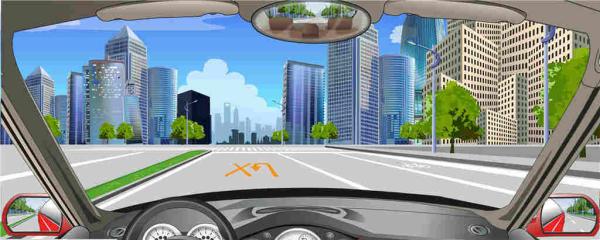
A. Right
B. Wrong
Answer: A
9. What should the driver do if he wants to turn right at this intersection?
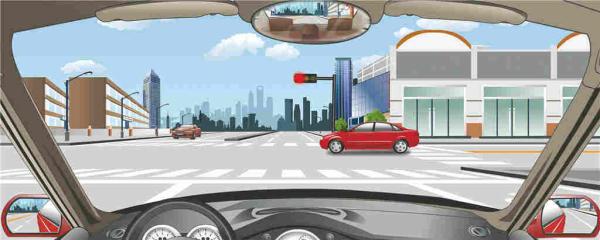
A. Turn right along the straight-going lane
B. Wait behind the stop line
C. Turn right along the right lane
D. Borrow the non-motor vehicle lane and turn right
Answer: C
10. Under such circumstances, the motor vehicle is allowed to overtake.
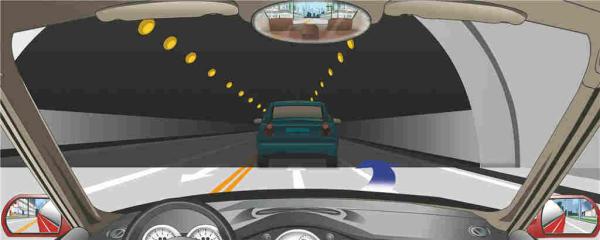
A. Right
B. Wrong
Answer: B
11. The sign on the right warns of a continuous downhill section ahead.
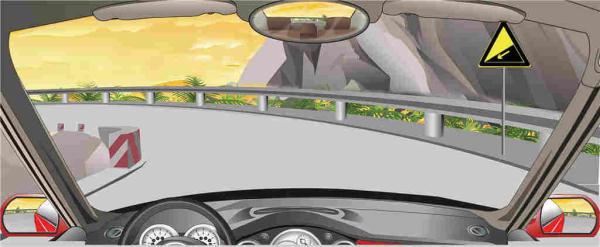
A. Right
B. Wrong
Answer: B
12. Drivers may go ahead when traffic polices posture is like this.
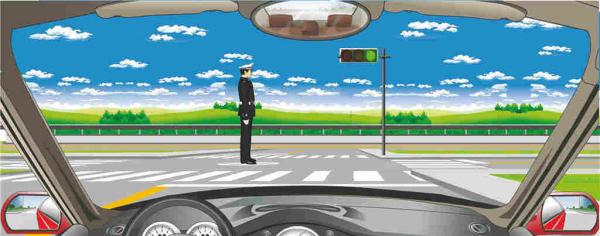
A. Right
B. Wrong
Answer: A
13. The broken white line on the right side of the road indicates that drivers are allowed to change lanes by crossing the line.
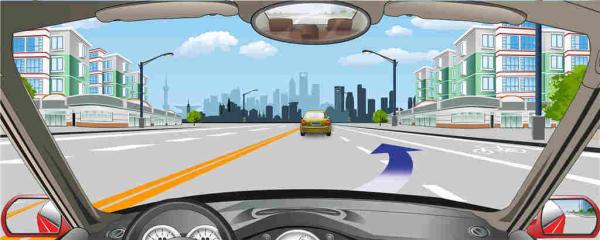
A. Right
B. Wrong
Answer: A
14. When a motor vehicle turns at an excessively high speed, it can easily slide sideways.
A. Right
B. Wrong
Answer: A
15. This sign warns to bypass from the left side to avoid the roadblock.
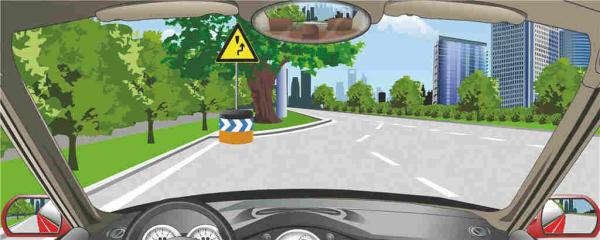
A. Right
B. Wrong
Answer: B
16. What should the motor vehicle driver do when the motor vehicle encounters the crosswalk in this situation?

A. Slow down and pass
B. Speed up and pass
C. Sound the horn and pass
D. Stop immediately
Answer: A
17. When running on an expressway with three lanes in each direction, which one of the following lanes is not appropriate for the motor vehicle to use if its speed ranges between 90 kilometers per hour and 110 kilometers per hour?
A. The far left lane
B. The middle lane
C. The far right lane
D. Any lane
Answer: A
18. How many kinds of law-breaking acts are displayed in flash 7?
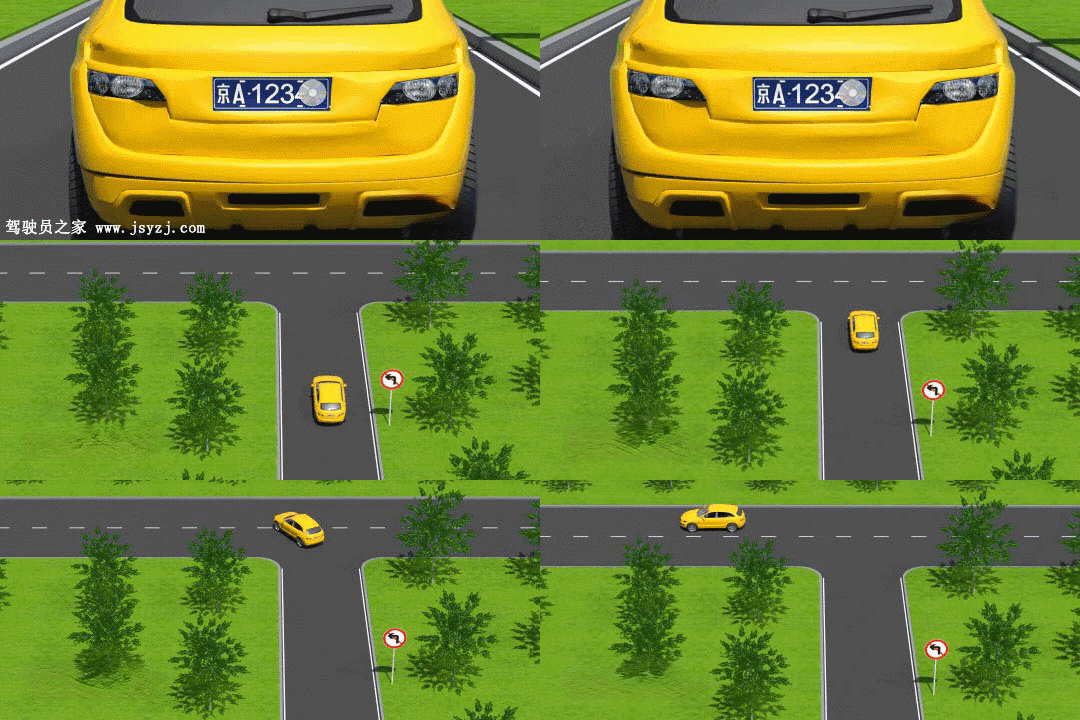
A. One
B. Two
C. Three
D. Four
Answer: B
19. The sign on the right warns of a narrowed road on both sides ahead.
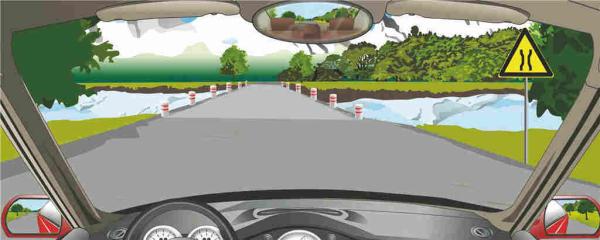
A. Right
B. Wrong
Answer: B
20. Motor vehicle drivers are allowed to make a U-turn at this intersection.
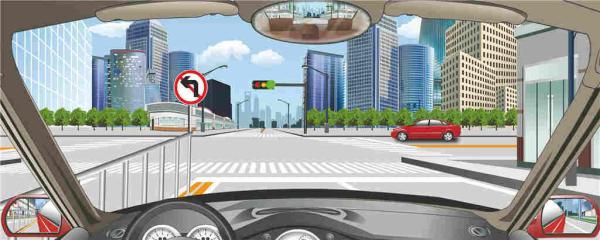
A. Right
B. Wrong
Answer: B