

1. How to ensure motor vehicles have sufficient power when driving uphill?
A. Downshift before reducing speed
B. Downshift after reducing speed
C. Downshift when the speed is excessively low
D. Downshift to the fullest extent
Answer: A
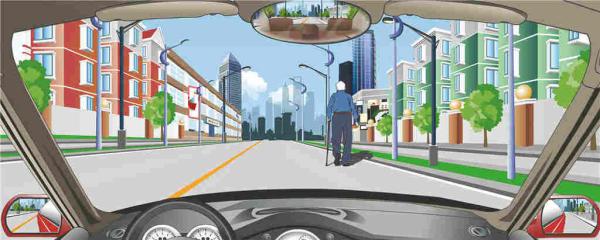
2. When encountering such pedestrians, motor vehicle drivers may continuously sound the horn to alert them to yield.
A. Right
B. Wrong
Answer: B
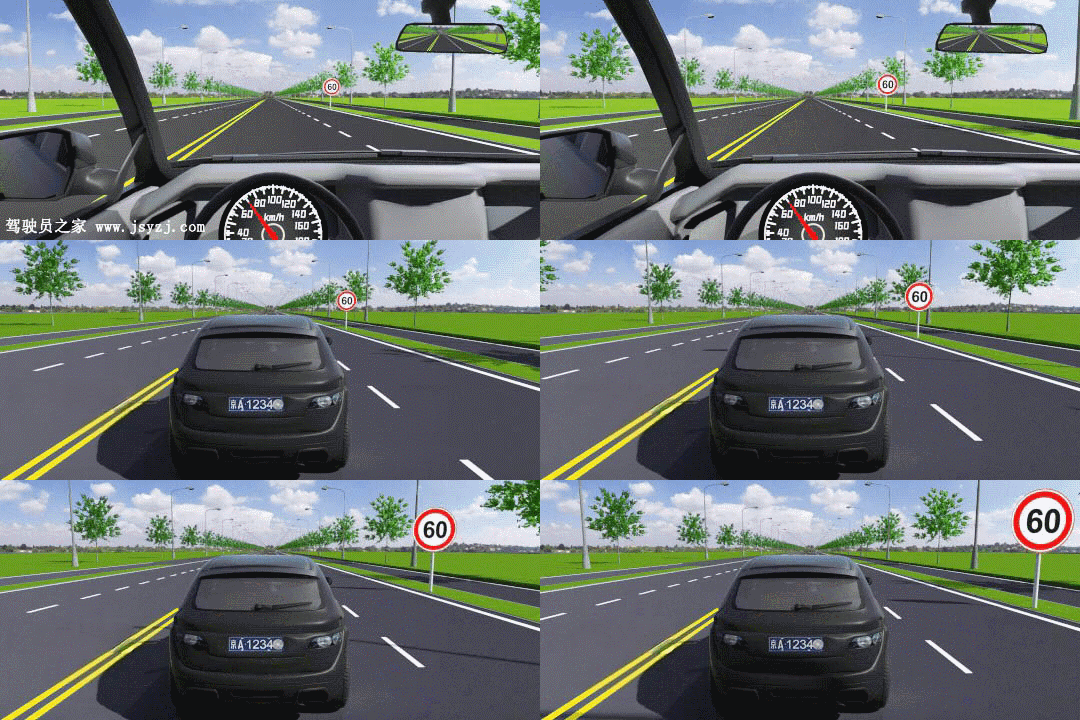
3. How many kinds of law-breaking acts are displayed in flash 3?
A. One
B. Two
C. Three
D. Four
Answer: B
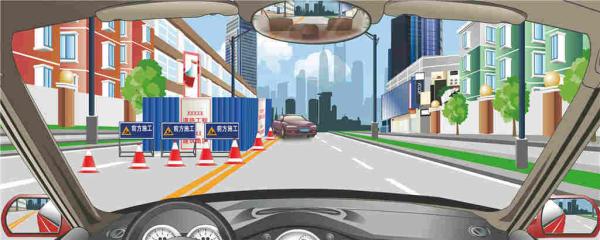
4. Under this circumstance, motor vehicle drivers should not reduce speed.
A. Right
B. Wrong
Answer: B
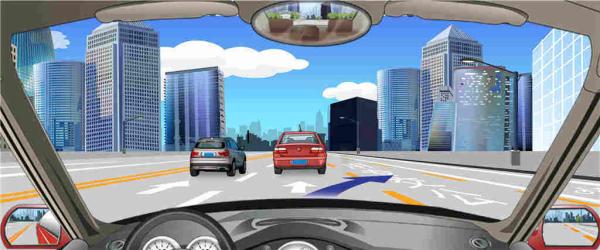
5. The road marking on the right lane indicates that drivers may temporarily borrow the special lane for buses.
A. Right
B. Wrong
Answer: B
6. What should motor vehicle drivers do when approaching an oncoming vehicle on a frozen road?
A. Cut speed as approaching each other
B. Pass each other by speeding up properly
C. Pass each other slowly by cutting speed in advance
D. Pass each other along the central line to the best
Answer: C
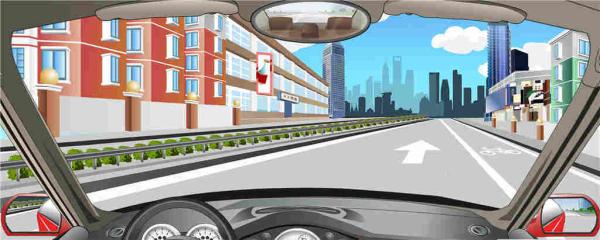
7. The white solid line on the right side of the road indicates the boundary of a driving lane and crosswalk.
A. Right
B. Wrong
Answer: B
8. When a motor vehicle equipped with ABS makes an emergency brake, the driver can tread the brake pedal heavily.
A. Right
B. Wrong
Answer: A
9. In which ones of the following ways can motor vehicle drivers effectively prevent braking failure?
A. Maintaining the braking system periodically
B. Checking the free brake pedal travel before driving
C. Using the braking system correctly to avoid brake-fade
D. For vehicles with hydraulic braking system, checking if the brake fluid leaks before driving
Answer: ABCD
10. When rescuing a person sustaining full-body burns the rescue personnel may spray cool water to his body to put out the fire.
A. Right
B. Wrong
Answer: A
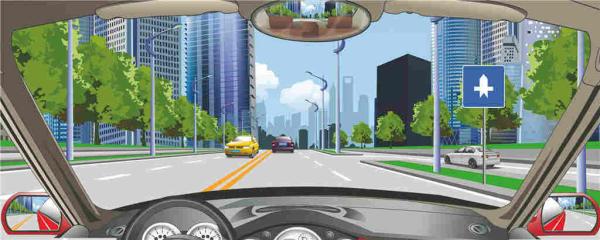
11. The sign on the right indicates that vehicles from the primary road have priority.
A. Right
B. Wrong
Answer: A
12. Under such circumstances, motor vehicle drivers should bypass on the left quickly.

A. Right
B. Wrong
Answer: B
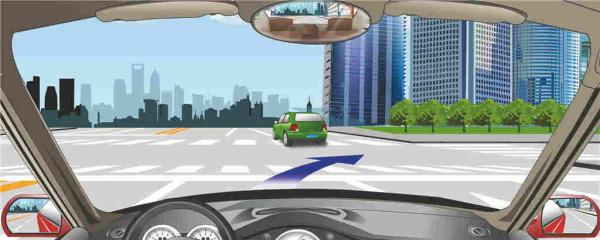
13. The driver may not change lanes when the motor vehicle turns right at this intersection.
A. Right
B. Wrong
Answer: B
14. When a motor vehicle leaves an expressway, which of the following lamp should be turned on?
A. The left-turn indicator
B. The right-turn indicator
C. The hazard warning lamp
D. The headlamp
Answer: B
15. Before a motor vehicle enters a tunnel, the driver should adjust the speed in accordance with the indication of the traffic sign at the entrance of the tunnel.

A. Right
B. Wrong
Answer: A
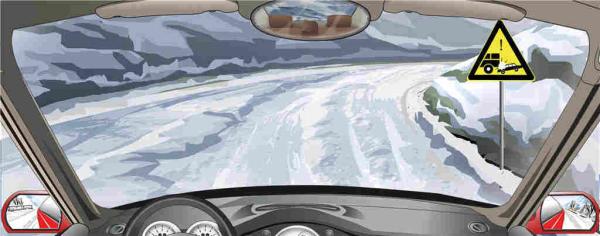
16. The sign on the right warns to keep a safe distance on the road ahead.
A. Right
B. Wrong
Answer: B
17. The red car is allowed to drive on this lane.
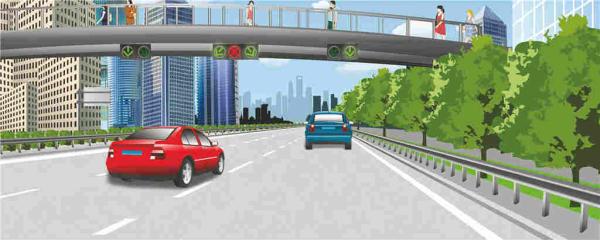
A. Right
B. Wrong
Answer: B
18. How many kinds of law-breaking acts are displayed in flash 7?
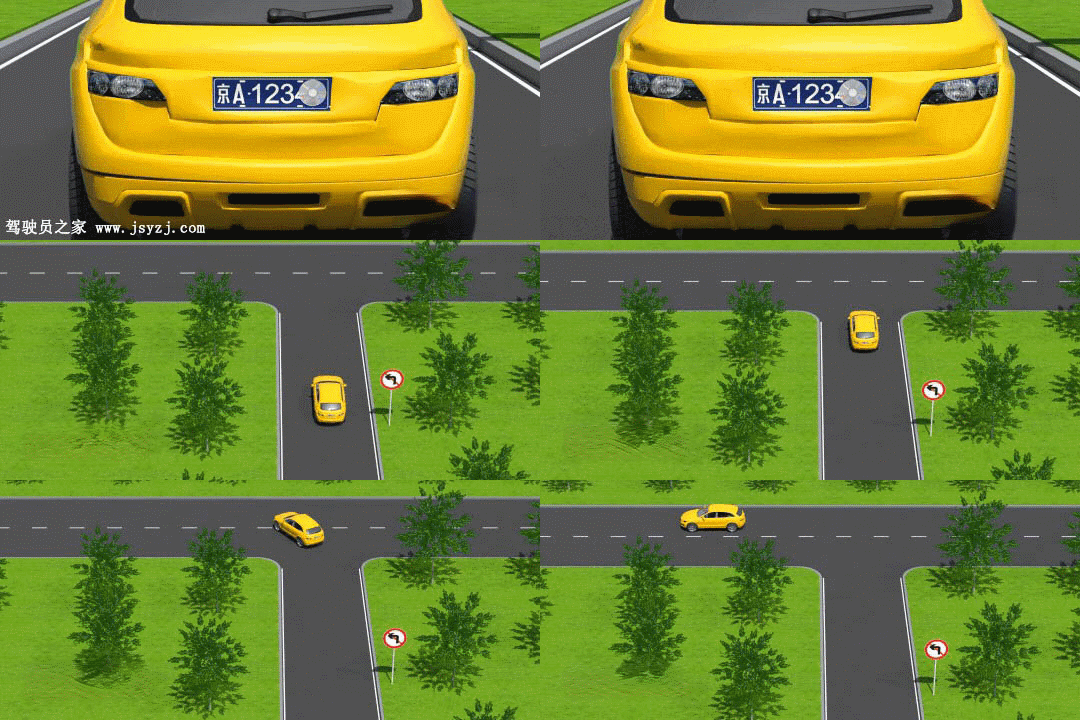
A. One
B. Two
C. Three
D. Four
Answer: B
19. When driving in a residential area, the driver should not exceed the speed indicated by the speed limit sign.
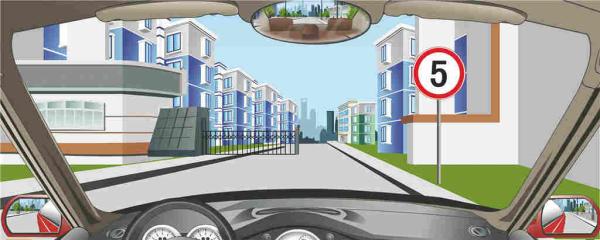
A. Right
B. Wrong
Answer: A
20. When reversing in this condition, in which of the following ways can motor vehicle drivers keep safe?

A. Reverse at a lower speed
B. Voluntarily stop and yield
C. Continuously sound the horn to alert
D. Reverse in a clockwise direction
Answer: B