

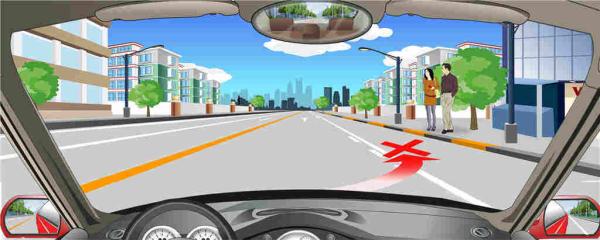
1. The yellow broken line on the curb indicates that vehicles are not allowed to stop and let passengers embark or disembark or load and unload freight at the roadside.
A. Right
B. Wrong
Answer: B
2. When the motor vehicle stops on an uphill section, how should the driver use the foot brake?
A. Earlier than on a level road
B. Later than on a level road
C. As timely as on a level road
D. Strongly depress the foot brake pedal
Answer: B
3. How should lamps be used when a motor vehicle meets an oncoming bicycle on a narrow road or a narrow bridge at night?
A. Continuously change between low-beam and high-beam
B. Use clearance lamp
C. Use high-beam
D. Use low-beam
Answer: D
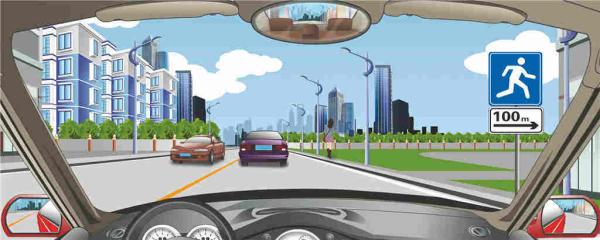
4. The sign on the right indicates an emergency shield 100 meters ahead.
A. Right
B. Wrong
Answer: A
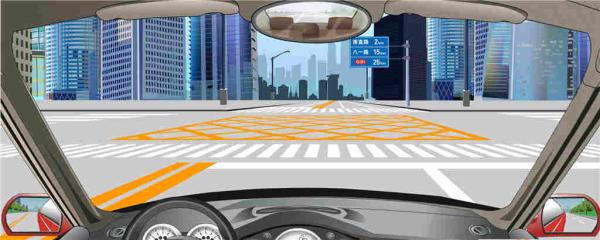
5. The sign in front is an advance announcement of famous places and distances en route.
A. Right
B. Wrong
Answer: A
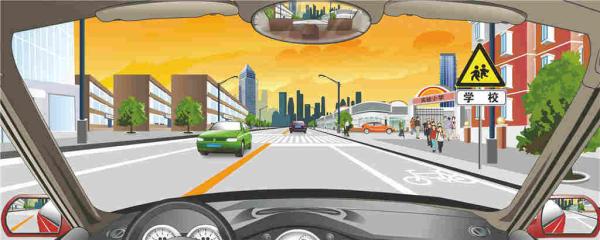
6. When encountering this situation at the gate of a school, the driver should prepare to stop.
A. Right
B. Wrong
Answer: A
7. When encountering an obstacle on one side of the road, what should vehicles do as they approach each other?
A. The vehicle not encountering an obstacle should Yield to the other vehicle
B. The slower vehicle should yield to the faster
C. The vehicle encountering an obstacle should yield to the other vehicle
D. The faster vehicle should yield to the slower
Answer: C
8. The sign in front indicates a 4-kilometer distance from the next exit.
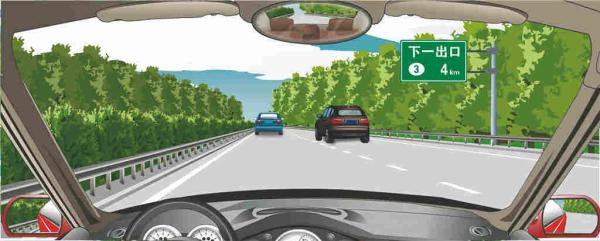
A. Right
B. Wrong
Answer: A
9. When a bus encounters an unexpected situation or an accident, the driver should do his best to minimize the loss and should never cause a secondary accident or even greater loss for the sake of avoiding danger.
A. Right
B. Wrong
Answer: A
10. The sign on the right warns of a ferry crossing 100 meters after turning right at the intersection ahead.

A. Right
B. Wrong
Answer: A
11. What should motor vehicle drivers do when approaching an oncoming vehicle on a frozen road?
A. Cut speed as approaching each other
B. Pass each other by speeding up properly
C. Pass each other slowly by cutting speed in advance
D. Pass each other along the central line to the best
Answer: C
12. When driving on this section of the road, drivers should observe closely and prepare to yield to the animals crossing the road.
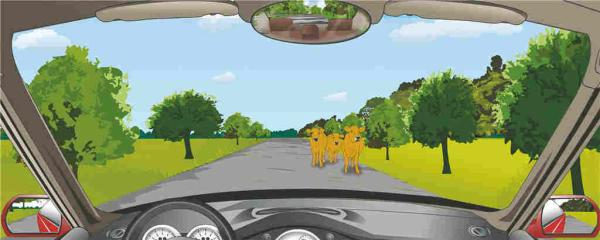
A. Right
B. Wrong
Answer: A
13. The crosswalk of the intersection warns that pedestrians have priority.

A. Right
B. Wrong
Answer: A
14. The sign on the right warns for children on the section ahead.
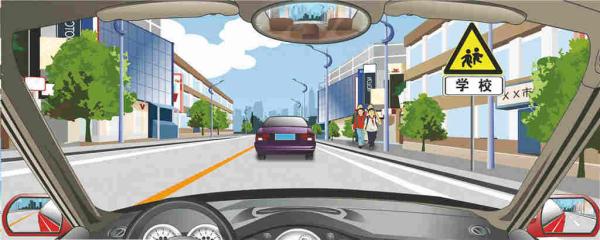
A. Right
B. Wrong
Answer: A
15. When a wounded person suffering bone fracture in the thigh, shank or spine, moving the wounded person is usually prohibited.
A. Right
B. Wrong
Answer: A
16. When steering failure happens suddenly, if the road condition permits straight movement, drivers should not apply emergency braking.
A. Right
B. Wrong
Answer: A
17. Under this circumstance, motor vehicle drivers should not reduce speed.
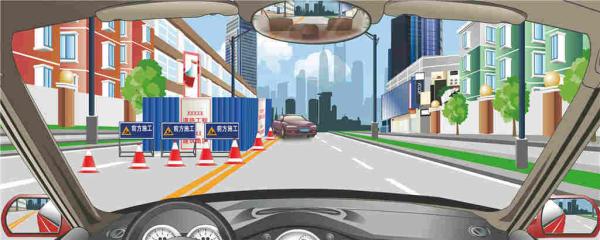
A. Right
B. Wrong
Answer: B
18. What should motor vehicle drivers do under such circumstances at night?
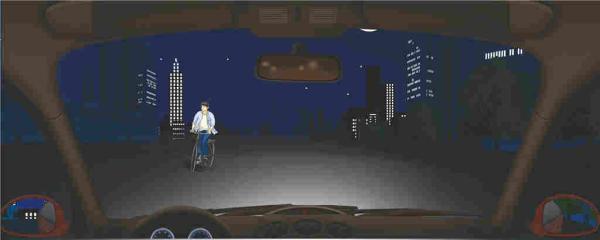
A. Turn off the headlamp when approaching
B. Use low-beam
C. Use high-beam
D. Turn off all lamps in advance
Answer: B
19. Which is the wrong measure to avoid tire burst?
A. Reduce tire pressure
B. Check tires regularly
C. Remove foreign matters from the tire tread grooves timely
D. Replace tires that have cracks or deep cuts
Answer: A
20. What should the driver do when the motor vehicle encounters this situation in front of a school?
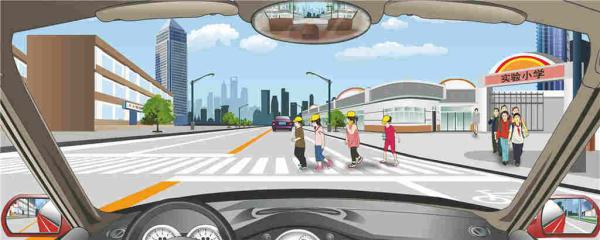
A. Bypass before the queue
B. Slow down and pass slowly
C. Stop promptly and yield
D. Go through in the spaces between the queues
Answer: C