

1. What should the driver pay attention to in this situation?
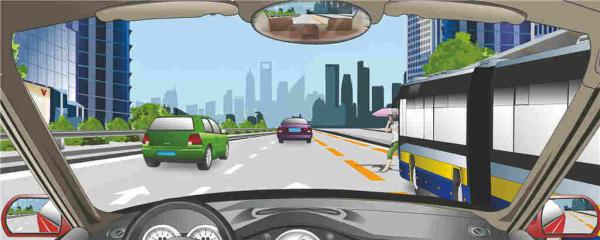
A. Pedestrians passing behind the vehicle
B. Pedestrians passing in front of the vehicle
C. Public buses suddenly reversing
D. Public buses suddenly setting off
Answer: B
2. When driving on the expressway in a heavy rain, what should the driver do to avoid water sliding phenomenon?
A. Install slide-proof devices
B. Speed up
C. Slow down
D. Continue to depress the brake
Answer: C
3. When a motor vehicle equipped with ABS makes an emergency brake, the driver can tread the brake pedal heavily.
A. Right
B. Wrong
Answer: A
4. When a motor vehicle breaks down and cannot be moved away from the expressway, the driver and all passengers should stay in the vehicle and wait for the rescue personnel.
A. Right
B. Wrong
Answer: B
5. The sign on the right warns of a dangerous mountainside road on the left of the road ahead.
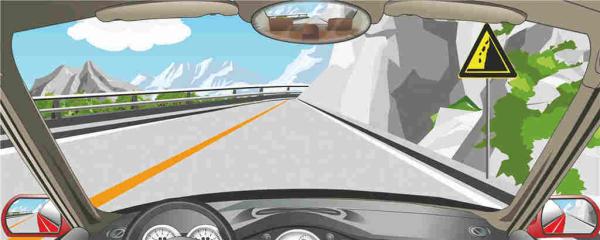
A. Right
B. Wrong
Answer: B
6. The broken white line on the right side of the road indicates that drivers are allowed to change lanes by crossing the line.
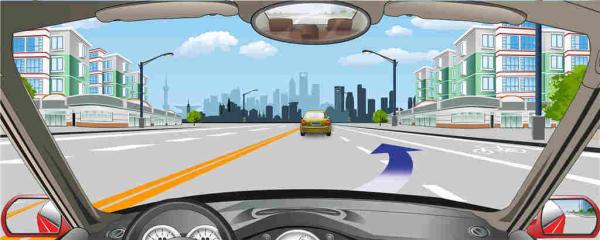
A. Right
B. Wrong
Answer: A
7. When parking temporarily on a snowy day, drivers should turn on the headlamp and fog lamp.
A. Right
B. Wrong
Answer: B
8. Drivers may turn left when seeing these hand signals.

A. Right
B. Wrong
Answer: A
9. When approaching another vehicle at night, why should the driver alternate between high-and-low-beam at a distance more than 150 meters?
A. Warn each other before passing
B. Driving habit
C. Easy to observe the situation ahead from either side
D. Courtesy
Answer: C
10. When a wounded person is unable to get off the vehicle by himself, he should be removed from the vehicle so as to avoid a secondary injury.
A. Right
B. Wrong
Answer: A
11. The sign in front indicates that vehicles except large passenger vehicles are not allowed to drive on the right lane.
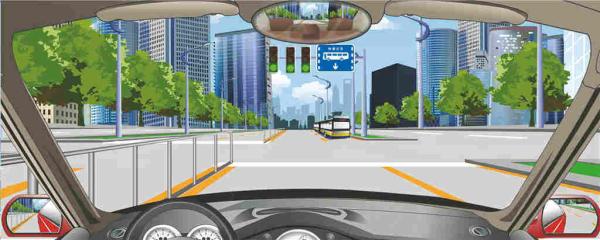
A. Right
B. Wrong
Answer: B
12. Motor vehicle drivers don?ˉt need to use any lamp at night when passing through a road section where the street light condition is good.
A. Right
B. Wrong
Answer: B
13. When encountering this situation in a residential area, the driver should follow them closely.
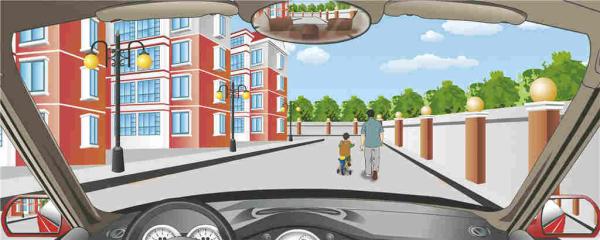
A. Right
B. Wrong
Answer: B
14. The sign on the left indicates vehicles are allowed to drive on the section ahead.
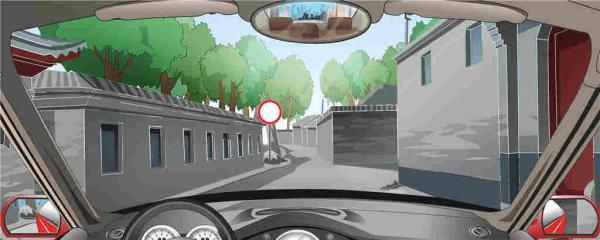
A. Right
B. Wrong
Answer: B
15. The sign on the right indicates a left-turn bypass route at the intersection ahead.
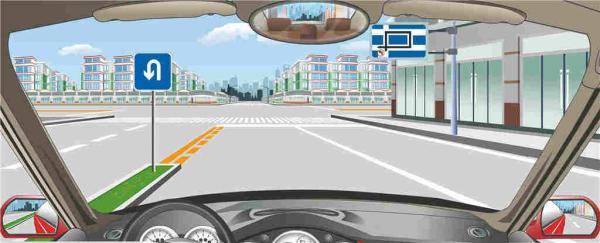
A. Right
B. Wrong
Answer: A
16. When the windscreen of a motor vehicle on the highway is cracked by flying rocks or debris which makes visibility poor, the driver should reduce speed gradually, turn on the hazard warning lamps, drive to a place where it will not obstruct the traffic flow and stop there.
A. Right
B. Wrong
Answer: A
17. After a motor vehicle enters the ramp from an expressway, it should reduce its speed below the prescribed speed limit.
A. Right
B. Wrong
Answer: A
18. The sign on the right warns of an uneven road ahead.
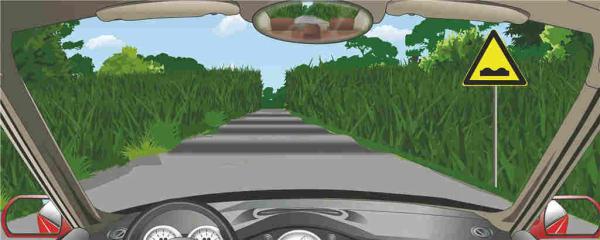
A. Right
B. Wrong
Answer: A
19. During normal driving, the driver should do his best to run close to or on the central line so as not to allow oncoming vehicles any opportunity to occupy his own route.
A. Right
B. Wrong
Answer: B
20. Motor vehicles are prohibited from driving straight or turning left in this situation.
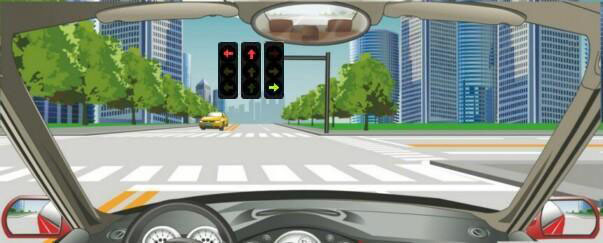
A. Right
B. Wrong
Answer: A