

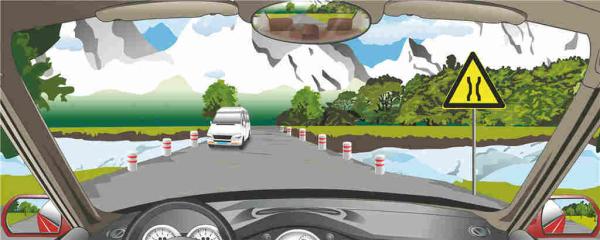
1. When encountering such a situation, the vehicles should cut speed or stop to yield as approaching each other.
A. Right
B. Wrong
Answer: A
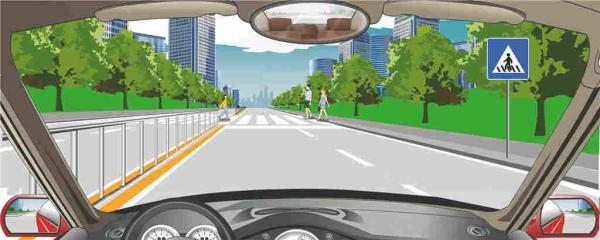
2. The sign on the right indicates notice by sounding the horn.
A. Right
B. Wrong
Answer: B
3. It is illegal to change lanes without turning on indicators.
A. Right
B. Wrong
Answer: A
4. When a gas tanker is leaking heavily, which of the following measures is wrong?
A. Cut off the power
B. Wear gas mask and protect gloves
C. Turn off the valve to stop leaking
D. Evacuate people to the leeward side
Answer: D
5. Which lamp should be used when motor vehicles pass through an intersection at night where there is no traffic light signal?
A. High-beam
B. Low-beam
C. Hazard lamps
D. High-beam and low-beam should be used alternatively
Answer: D
6. As shown in this picture, the intersection guide line is designed to help drivers make turns.

A. Right
B. Wrong
Answer: A
7. What should motor vehicle drivers do under the circumstances shown in the flash?
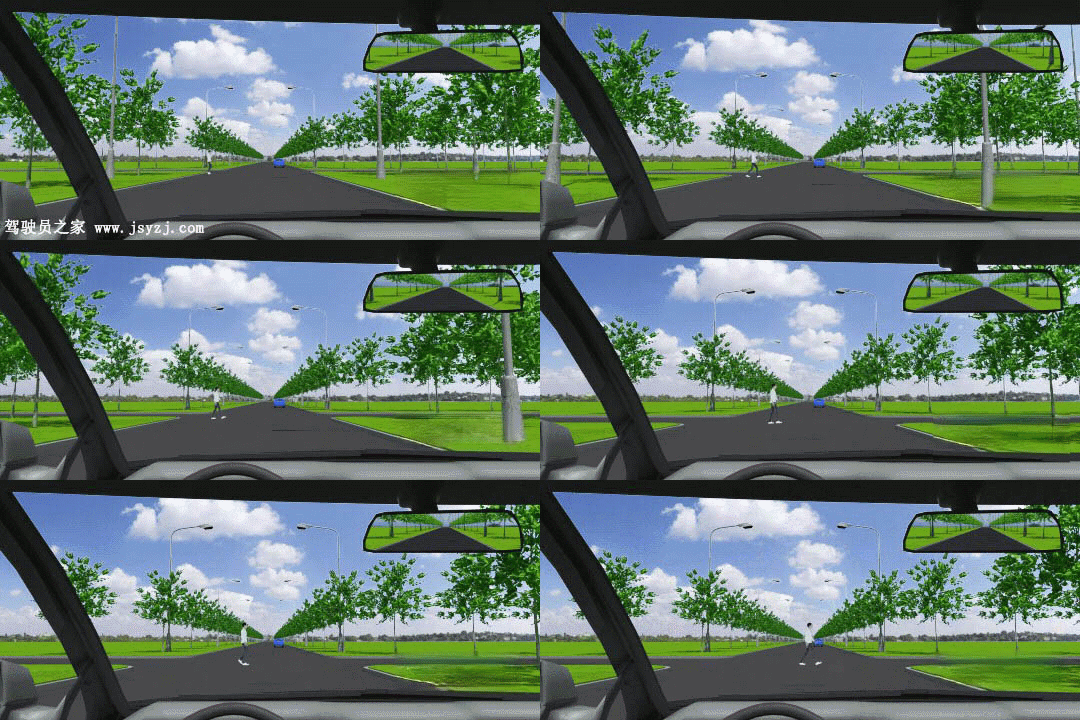
A. Reduce speed or stop to yield
B. Sound the horn to warn the pedestrians to yield
C. Pass before the pedestrians
D. Immediately change to another lane to bypass the pedestrians
Answer: A
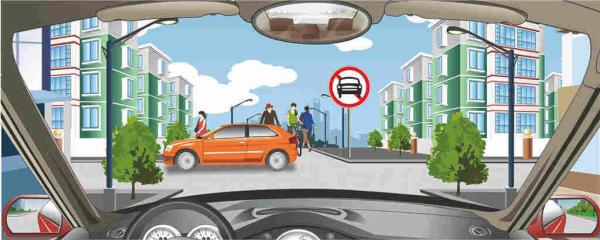
8. Which one of the following vehicle types is not allowed to pass, as indicated by the right-hand sign?
A. Large trucks
B. Large buses
C. Motor vehicles of all kinds
D. Small vans
Answer: C
9. When a motor vehicle catches fire, the driver should swiftly turn off the engine and open the hood to extinguish the fire.
A. Right
B. Wrong
Answer: B
10. The guide arrow on the road surface of this lane indicates that U-turns and left turns are permitted at the intersection ahead.

A. Right
B. Wrong
Answer: A
11. If a motor vehicle deviates from the straight direction due to steering failure, what should be done by the driver in order to reduce speed and stop the vehicle as soon as possible?
A. Gently depressing the brake pedal
B. Pulling up the handbrake
C. Immediately changing to a low gear to reduce speed
D. Decisively and continuously depressing and releasing the brake pedal
Answer: D
12. The sign on the right warns of a dangerous mountainside road on the left of the road ahead.
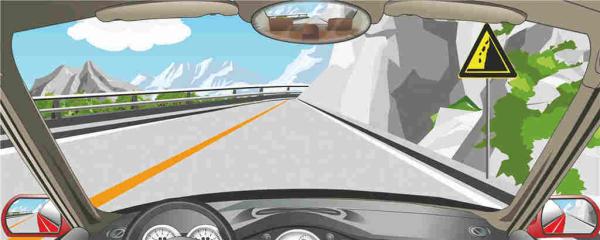
A. Right
B. Wrong
Answer: B
13. When approaching each other at night in this situation, drivers should watch for the danger where the two motor vehicles headlamps meet (the sight dead zone).
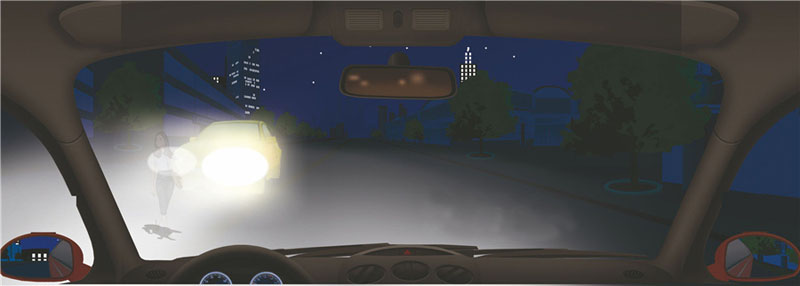
A. Right
B. Wrong
Answer: A
14. When there is a braking failure on a downhill road, if there is no other alternative, the driver may rub the vehicle body against the rocks and trees on roadside to force the vehicle to slow down and stop.
A. Right
B. Wrong
Answer: A
15. Unless stopping due to obstacles or vehicle breakdown on an expressway, motor vehicles are not allowed to stop to pick up or drop off people or load and unload cargo.
A. Right
B. Wrong
Answer: A
16. The slanted filled-in yellow marking in the middle of the road warns that there is a stationary obstacle ahead.
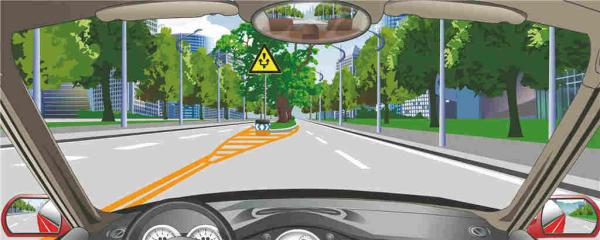
A. Right
B. Wrong
Answer: A
17. When driving a motor vehicle equipped with power steering, the driver should firmly hold the steering wheel and drive slowly if he suddenly finds that steering is difficult.
A. Right
B. Wrong
Answer: B
18. When a motor vehicle moves through water, drivers should intermittently and gently depress the brake pedal in order to restore braking efficiency.
A. Right
B. Wrong
Answer: A
19. The sign in front indicates a temporary parking lot on the right side of the highway.
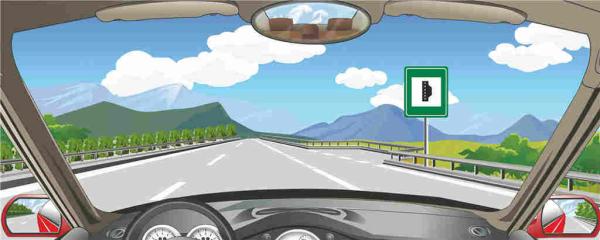
A. Right
B. Wrong
Answer: B
20. How should the driver pass this place safely?
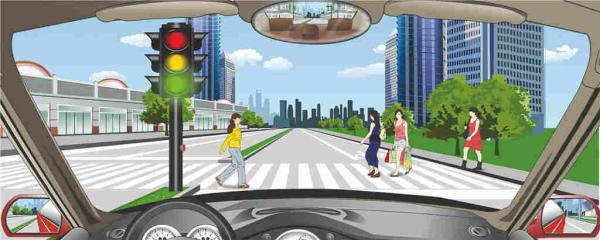
A. Speed up and pass in the front of the pedestrians
B. Bypass behind the pedestrians
C. Slow down and sound the horn
D. Stop and wait until the pedestrians pass
Answer: D