

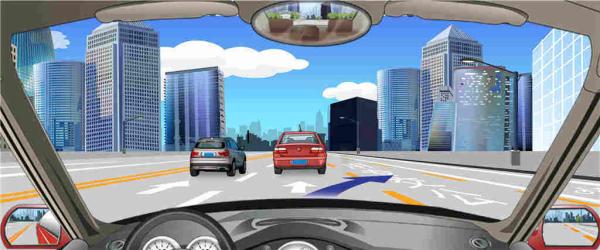
1. The road marking on the right lane indicates that drivers may temporarily borrow the special lane for buses.
A. Right
B. Wrong
Answer: B
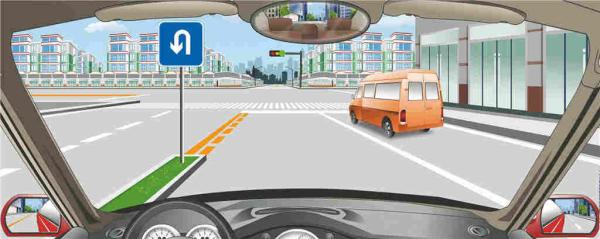
2. The sign on the left indicates U-turn is allowed here.
A. Right
B. Wrong
Answer: A
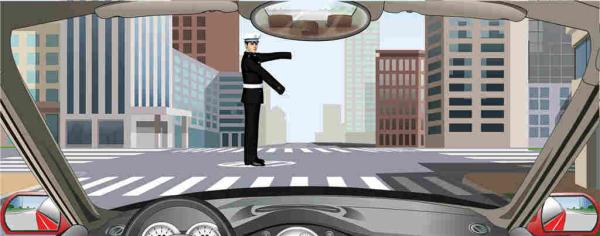
3. Drivers may turn right at the intersection when traffic police give these hand signals.
A. Right
B. Wrong
Answer: A
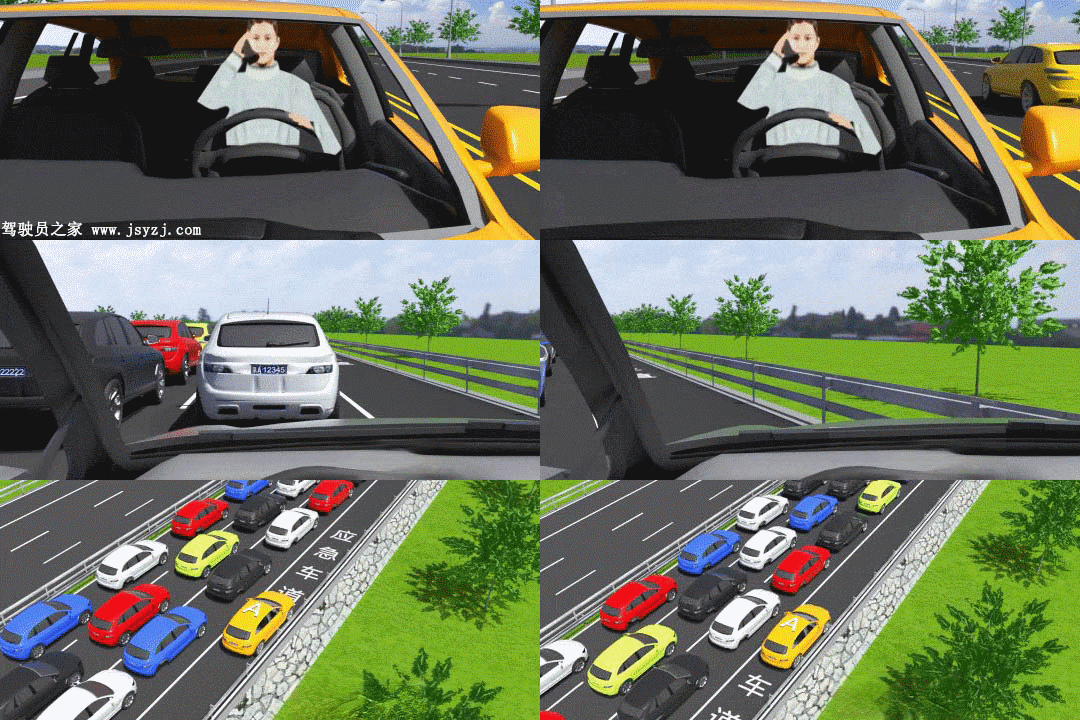
4. How many kinds of law-breaking acts are displayed in flash 6?
A. One
B. Two
C. Three
D. Four
Answer: C
5. In this driving condition, drivers should turn on the high-beam when setting off.
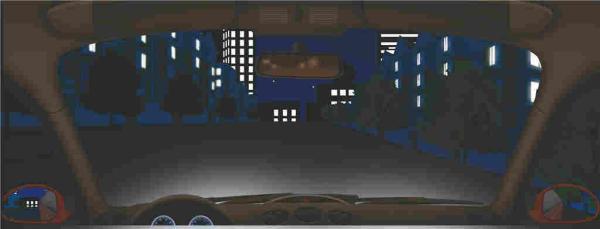
A. Right
B. Wrong
Answer: B
6. If a motor vehicle deviates from the straight direction due to steering failure, what should be done by the driver in order to reduce speed and stop the vehicle as soon as possible?
A. Gently depressing the brake pedal
B. Pulling up the handbrake
C. Immediately changing to a low gear to reduce speed
D. Decisively and continuously depressing and releasing the brake pedal
Answer: D
7. Under such circumstances, motor vehicles are not allowed to overtake.
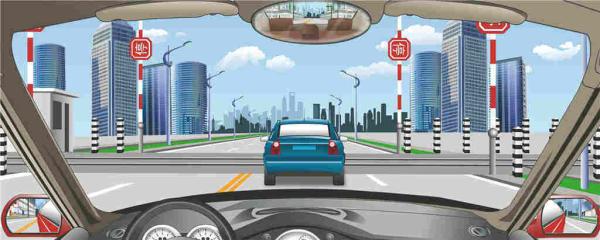
A. Right
B. Wrong
Answer: A
8. The cross-hatched marking indicates an area where vehicle drivers are not allowed to stop.
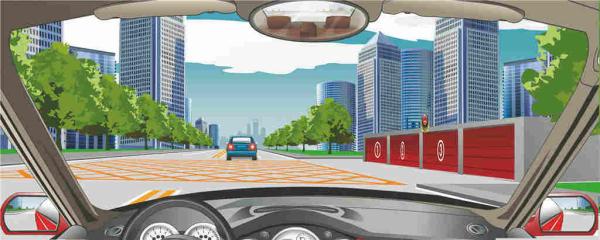
A. Right
B. Wrong
Answer: A
9. The sign on the right warns of an embankment road 200 meters ahead.
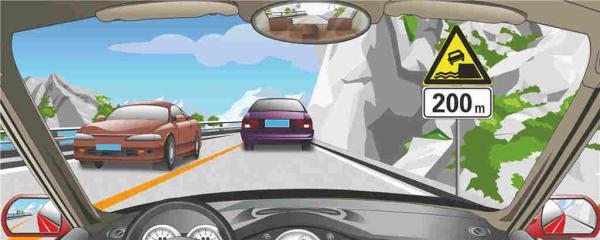
A. Right
B. Wrong
Answer: A
10. The guide arrow on the road surface of this lane indicates that only left turns are permitted at the intersection ahead.
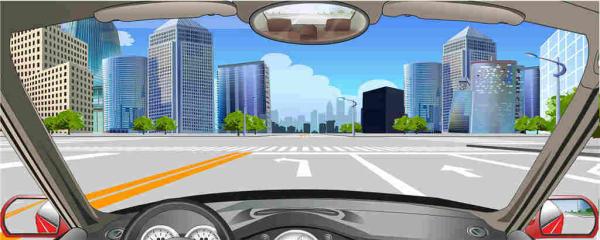
A. Right
B. Wrong
Answer: A
11. The sign on the right warns of a continuous downhill section ahead.
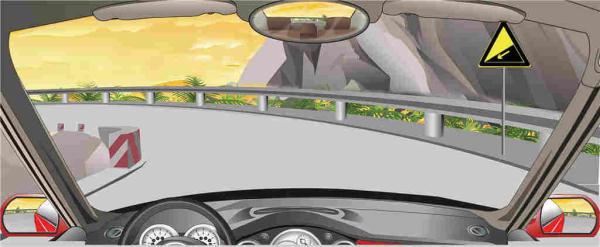
A. Right
B. Wrong
Answer: B
12. What is the meaning of the sign on the right?

A. Parking prohibited
B. Temporary parking permitted
C. Picking up or dropping off passengers permitted
D. Stopping to unload permitted
Answer: A
13. Which of the following method is correct to rescue an unconscious person?
A. Apply cardio-pulmonaryresuscitation immediately
B. Press the philtrum of the wounded person with force
C. Continuously slap the face of the wounded person
D. Check the breath of the wounded person before other emergency treatments
Answer: D
14. How should the driver use vehicle lights when the motor vehicle enters this intersection?
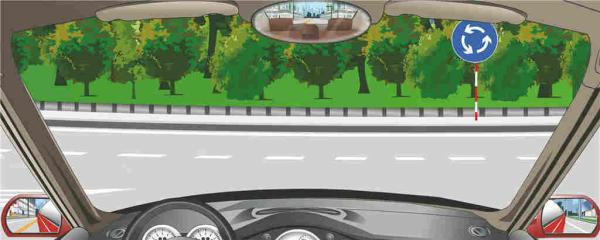
A. Turn on the right-turn indicator
B. Turn on the hazard lamps
C. No need to turn on any indicators
D. Turn on the left indicator
Answer: C
15. When driving on this section of the road, drivers should observe closely and prepare to yield to the animals crossing the road.
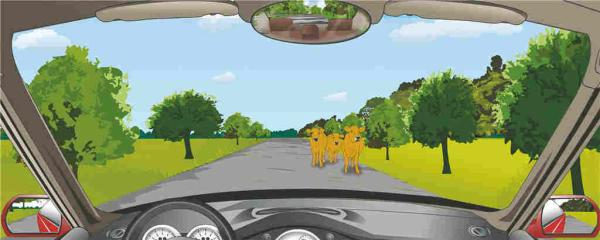
A. Right
B. Wrong
Answer: A
16. When braking, the steering will become impossible if the front wheels are blocked
A. Right
B. Wrong
Answer: A
17. It is illegal to change lanes without turning on indicators.
A. Right
B. Wrong
Answer: A
18. When a motor vehicle accidentally hits a guardrail of a highway, the driver should stabilize and adjust the steering wheel properly, and refrain from turning the steering wheel drastically.
A. Right
B. Wrong
Answer: A
19. When a motor vehicle passes over an inundated road, what should the driver do for safe driving?
A. Slow down and drive with special care
B. Speed up and pass rapidly
C. Maintain a normal speed and pass through
D. Change to a low gear and speed up to pass
Answer: A
20. Mr. Zou drove a large sleeper coach (capacity 35 people and carrying 47 passengers). At the spot of 938 kilometers of the Jinggang ao Expressway, large amounts of dangerous chemicals in the coach blew up, killing 41 people and injuring 6. What are the main illegal acts in this case?
A. Carrying more passengers than permitted
B. Passengers carried flammable and explosive substances
C. Speeding
D. Illegal parking
Answer: AB