

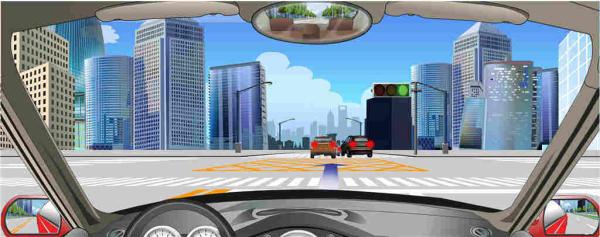
1. The cross-hatched marking indicates an area where vehicle drivers are allowed to stop and wait.
A. Right
B. Wrong
Answer: B
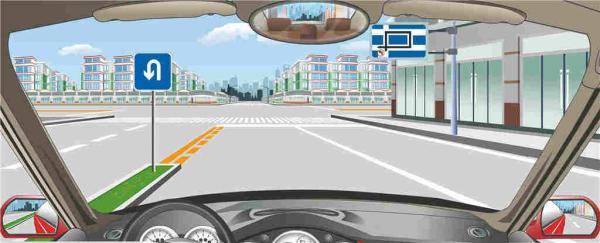
2. The sign on the right indicates a left-turn bypass route at the intersection ahead.
A. Right
B. Wrong
Answer: A
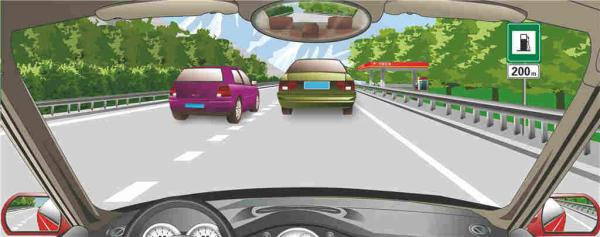
3. The sign on the right indicates a 200-meter distance from the gas station ahead.
A. Right
B. Wrong
Answer: A
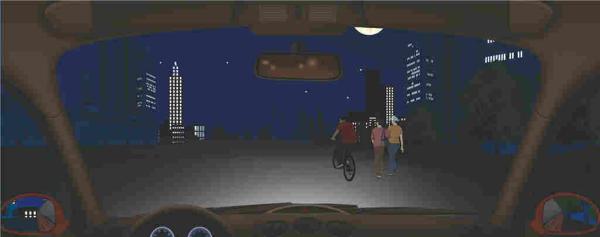
4. When the vehicle behind gives a notice of overtaking at night, the vehicle in front should not yield blindly.
A. Right
B. Wrong
Answer: A
5. Those traffic police signals mean turning right.
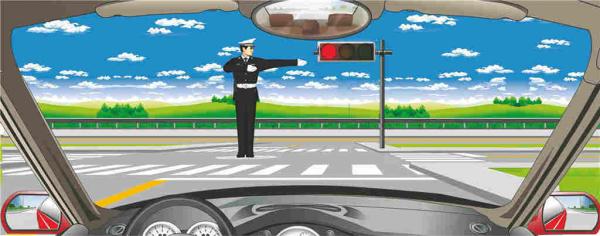
A. Right
B. Wrong
Answer: B
6. Drivers may go straight and pass through when traffic police give these hand signals.
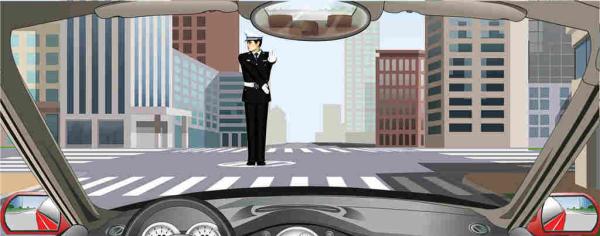
A. Right
B. Wrong
Answer: B
7. The sign on the left warns of no passing on the right-hand road ahead.
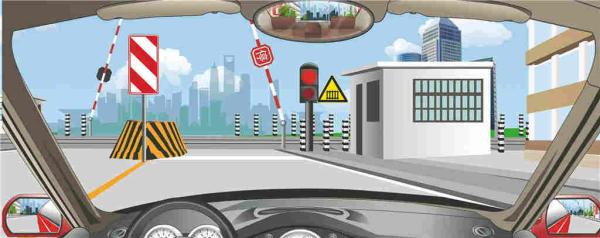
A. Right
B. Wrong
Answer: B
8. Under such circumstances, what should the motor vehicle driver do?
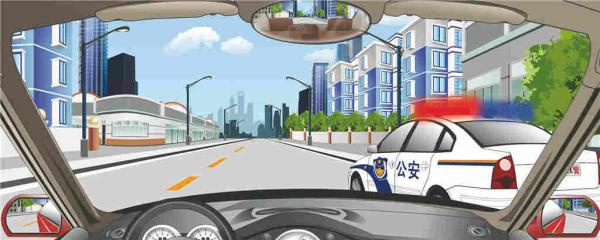
A. Reduce speed and yield by the left side
B. Reduce speed and yield by the right side
C. Speed up and yield by the left side
D. Go ahead along the original route
Answer: A
9. The sign on the right warns of three or more winding roads ahead.
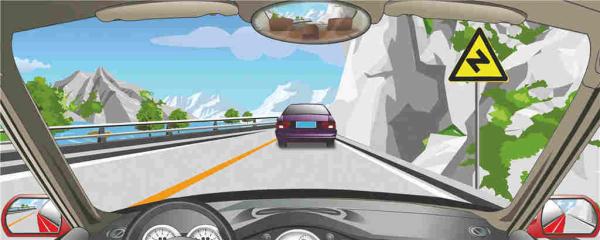
A. Right
B. Wrong
Answer: B
10. When driving onto the left lane, motor vehicle drivers are allowed to make a U-turn.
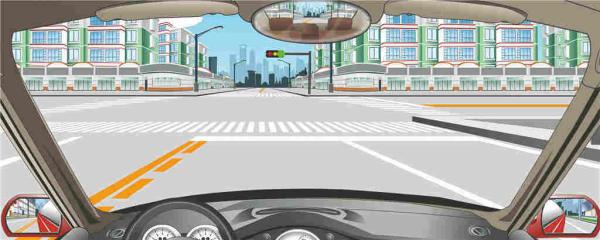
A. Right
B. Wrong
Answer: A
11. Before driving, it is necessary to check whether the cooling liquid, engine oil and fuel oil, are leaking.
A. Right
B. Wrong
Answer: A
12. Mr. Tong drove a large bus (capacity 55 people and carrying 54) to Taiyuan City. When he drove on a muddy road at the speed of 45 kilometers per hour, the bus skidded into a deep ditch, killing 14 people dead and badly injuring 40 What is the main illegal act committed by Mr. Tong?
A. Overloaded
B. Speeding
C. Driving after drinking
D. Fatigued driving
Answer: B
13. The sign on the right warns of no passing on either side of the road ahead.
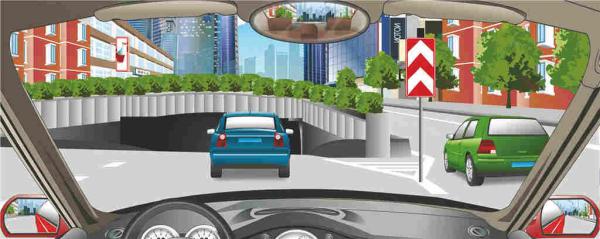
A. Right
B. Wrong
Answer: B
14. When encountering this situation in a residential area the driver should sound the horn continuously.
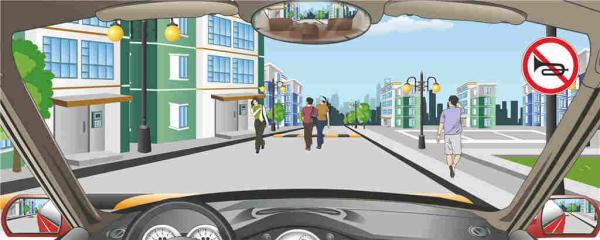
A. Right
B. Wrong
Answer: B
15. What should the driver do if he encounters pedestrians in this situation at an intersection?
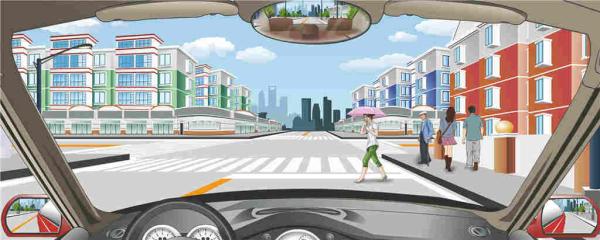
A. Slow down promptly and stop to yield
B. Sound the horn to warn the pedestrians to yield
C. Speed up and pass in front of the pedestrians
D. Turn on the headlamps to warn the pedestrians to yield
Answer: A
16. The sign on the right warns of a dangerous mountainside road on the left of the road ahead.
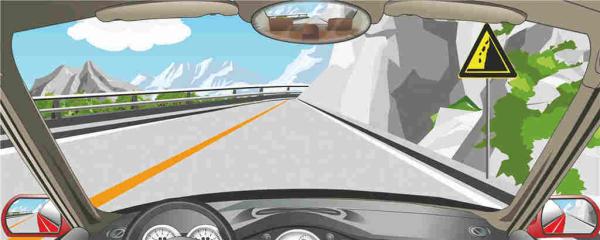
A. Right
B. Wrong
Answer: B
17. The driver should pay attention to the left side when the motor vehicle passes this intersection.
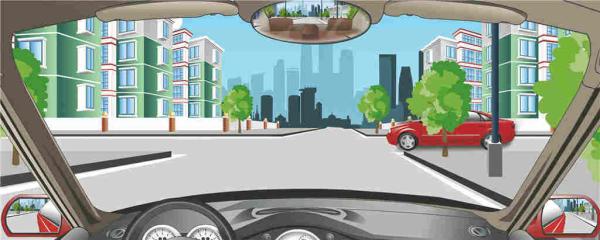
A. Right
B. Wrong
Answer: B
18. Drivers may turn left when traffic police give these hand signals.
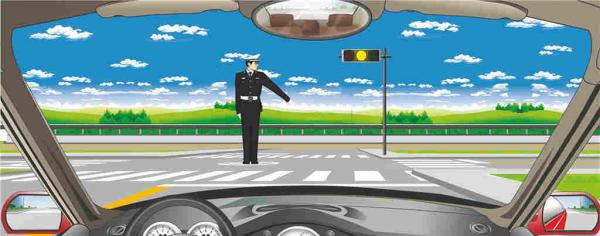
A. Right
B. Wrong
Answer: B
19. Before setting off, it is necessary to check the driving cabin, engine cabin, external and tires of the motor vehicle.
A. Right
B. Wrong
Answer: A
20. When temporarily parking on a raining day, what kind of lamp should the driver turn on?
A. Front and back fog lamps
B. Hazard warning lamp
C. Headlamp
D. Reversing lamp
Answer: B