

1. Which kind of vehicle can be driven if the authorized vehicle applied for is small motor vehicle with automatic transmission?
A. low-speed truck
B. small motor vehicle
C. motorcycle
D. light truck with automatic transmission
Answer: D
2. Stopping the vehicle temporarily in the crosswalk is the act of violation of the law.
A. Right
B. Wrong
Answer: A
3. This sign reminds the lane for non-motorized vehicles ahead.
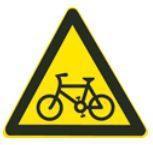
A. Right
B. Wrong
Answer: B
4. Whats the meaning of this sign?
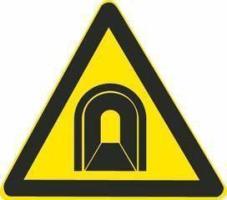
A. water channel
B. bridge
C. tunnel
D. Culvert
Answer: C
5. Whats the meaning of this sign?
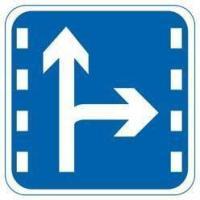
A. straight-going and left-turn lane
B. straight-going and side road exit lane
C. lane for both going straight and right turn
D. lanes for going in different directions
Answer: C
6. This sign reminds the lane or the road narrows on the left side ahead.
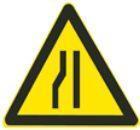
A. Right
B. Wrong
Answer: A
7. Stop the vehicle and observe when reaching the level crossing in this situation.
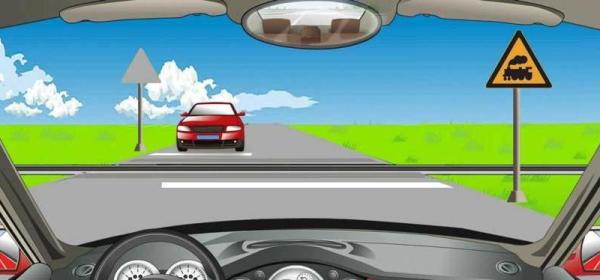
A. Right
B. Wrong
Answer: A
8. What is this traffic sign?
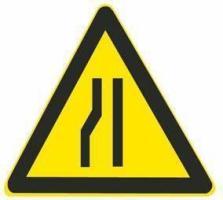
A. Road narrows on both sides
B. Road narrows on the right side
C. Road narrows on the left side
D. Bridge narrows
Answer: C
9. How to run at this position when leaving the expressway?
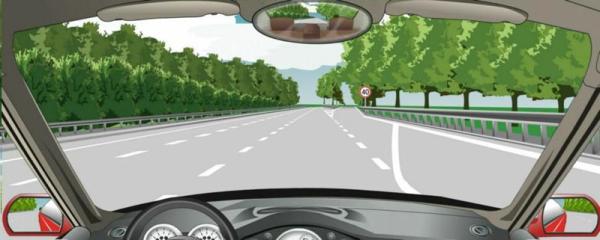
A. enter the deceleration lane
B. keep running forward
C. keep the speed at 100km/hr
D. reduce the speed to less than 40km/hr
Answer: A
10. Top speed in this section is 50 kilometers per hour.

A. Right
B. Wrong
Answer: B
11. The validity of the driving license which is initially applied for is 6 years.
A. Right
B. Wrong
Answer: A
12. You have the priviledged passing right of way at the intersection in this situation.
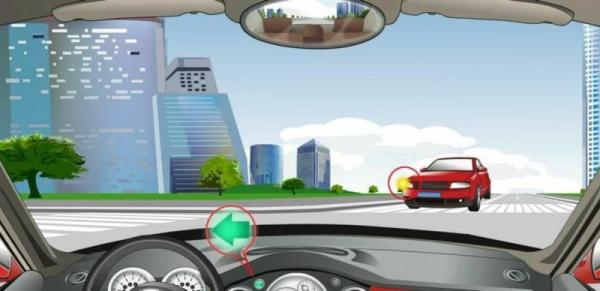
A. Right
B. Wrong
Answer: A
13. It displays that the current temperature of the coolant is 90 degrees.
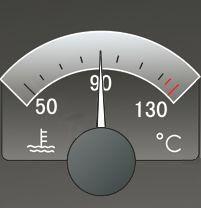
A. Right
B. Wrong
Answer: A
14. This sign indicates jammed section ahead and passing slowly.
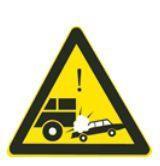
A. Right
B. Wrong
Answer: B
15. In such road sections, you can enter the cross-hatched marking area to wait.
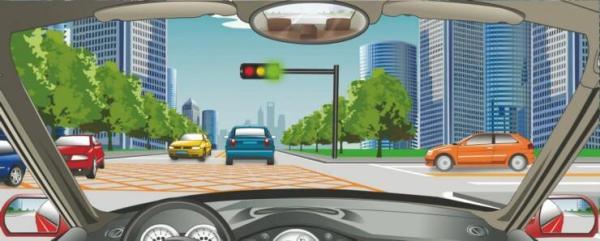
A. Right
B. Wrong
Answer: B
16. It lights to indicate that ______

A. engine compartment is opened
B. cover of fuel tank is opened
C. doors of both sides are opened
D. luggage compartment is opened
Answer: C
17. Whats the meaning of this sign?
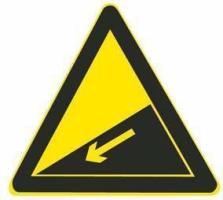
A. embankment road
B. steep uphill road
C. continuous up slopes
D. steep downhill road
Answer: D
18. In this case, by the right side of the bus lane to overtake.
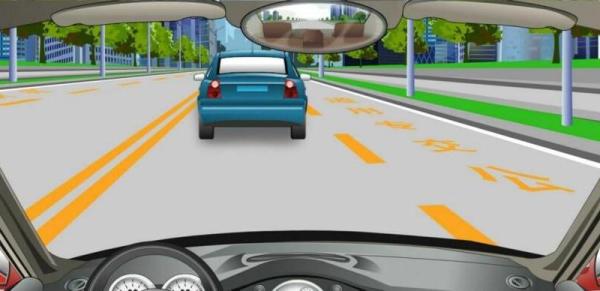
A. Right
B. Wrong
Answer: B
19. Whats the meaning of this sign?
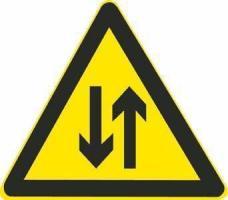
A. reduce speed and yield
B. variable lane
C. separated road
D. two-way traffic
Answer: D
20. Whats the meaning of this sign?
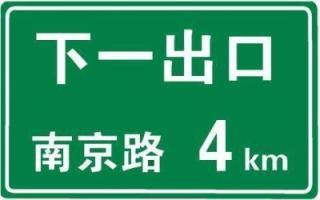
A. expressway left exit ahead
B. expressway destination ahead
C. expressway right exit ahead
D. expressway next exit ahead
Answer: D