

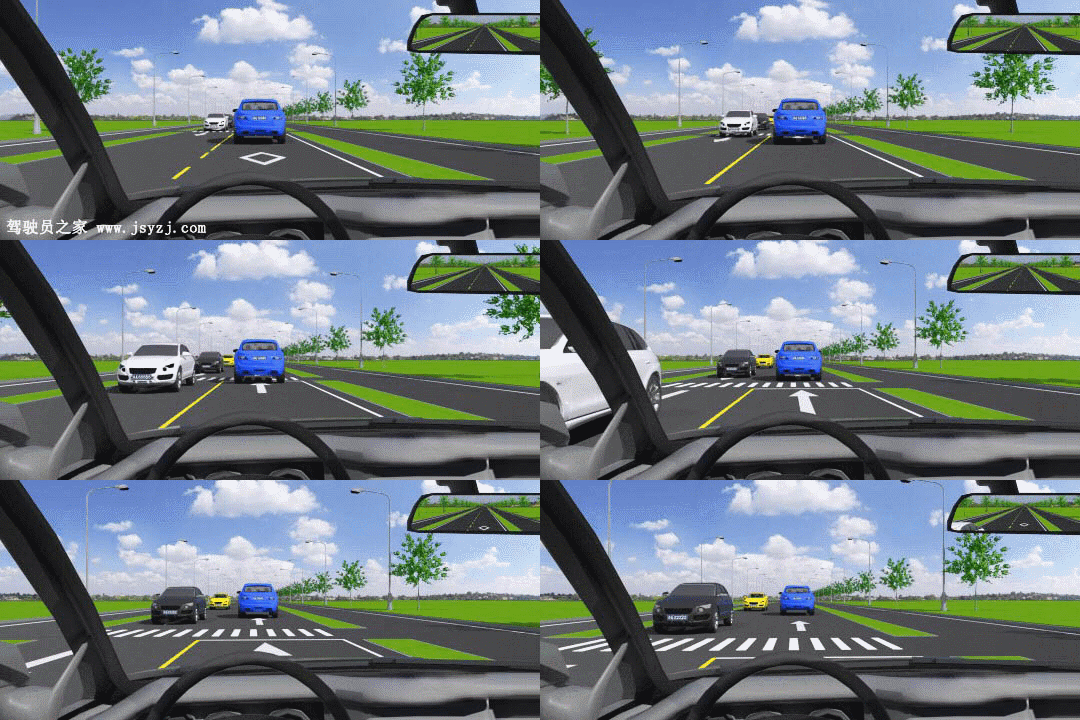
1. The guide arrow on the road surface of this lane indicates that U-turns and left turns are permitted at the intersection ahead.

A. Right
B. Wrong
Answer: A
2. The drivers, loaders and supercargoes responsible for dangerous chemicals transportation should all full understand the chemical characteristics, potential risks, features of the packaging containers and emergency measures for any unexpected accidents.
A. Right
B. Wrong
Answer: A
3. Unless stopping due to obstacles or vehicle breakdown on an expressway, motor vehicles are not allowed to stop to pick up or drop off people or load and unload cargo.
A. Right
B. Wrong
Answer: A
4. Motor vehicle drivers may reverse at an intersection.
A. Right
B. Wrong
Answer: B
5. When a motor vehicle deviates from the normal direction due to steering failure, what should the driver do?
A. Immediately steer and adjust
B. Reduce speed and stop the vehicle as early as possible
C. Steer to the side where there is no obstacle to evade
D. Steer to the side where there is an obstacle to evade
Answer: B
6. The road marker indicates that vehicles are not allowed to make a U-turn at the intersection ahead.
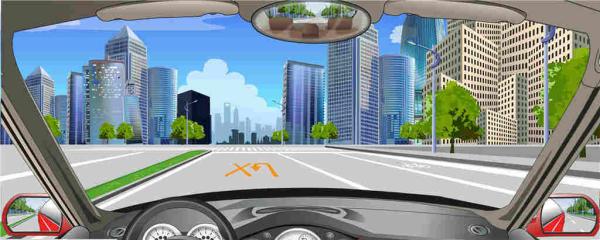
A. Right
B. Wrong
Answer: A
7. Under such circumstances at an intersection. what should motor vehicle drivers do?
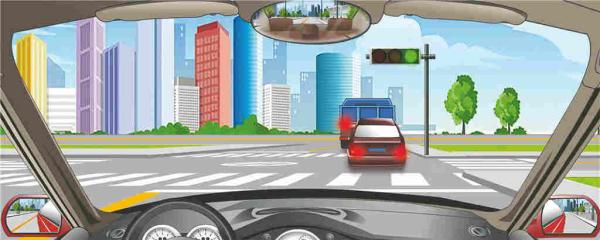
A. Drive into the intersection and wait
B. Wait in front of the intersection stop-line
C. Pass through in the right non-motor vehicle lane
D. Pass through the intersection by borrowing the opposite lane
Answer: B
8. The sign on the right warns of children on the section ahead.
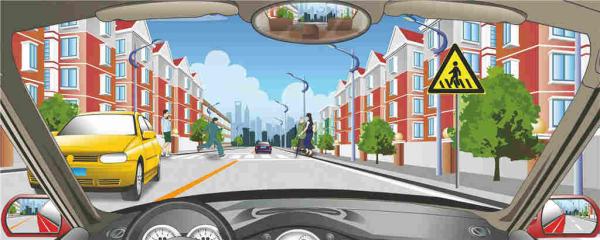
A. Right
B. Wrong
Answer: B
9. When a motor vehicle breaks down and has to be stopped on the highway, what should the driver do?
A. Set up a breakdown warning sign 150 meters behind the vehicle
B. Set up a breakdown warning sign 100 meters behind the vehicle
C. If it happens at night, turn on the clearance lamp and rear position lamp
D. Turn on the hazard lamps
Answer: ACD
10. What should the driver do upon finding that one of the left tires is leaking while driving?
A. Brake slowly to slow down
B. Brake swiftly to slow down
C. Turn to the right side swiftly
D. Apply emergency braking
Answer: A
11. Under such circumstances, motor vehicle drivers should reduce speed by the right side swiftly and yield.
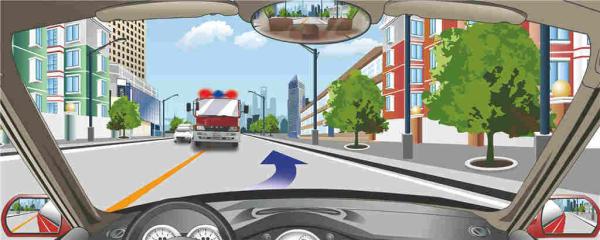
A. Right
B. Wrong
Answer: A
12. The motor vehicle should slow down and pass slowly in this situation.
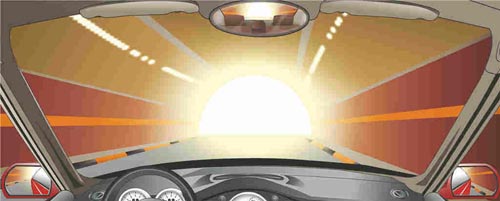
A. Right
B. Wrong
Answer: A
13. The sign on the right indicates right-hand turn only.
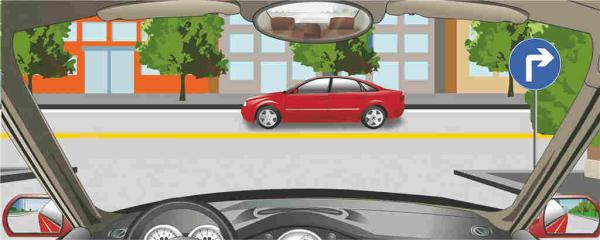
A. Right
B. Wrong
Answer: A
14. What is the meaning of the sign on the right?
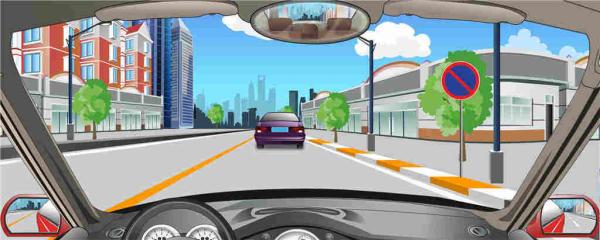
A. Long-time parking permitted
B. Temporary parking permitted
C. Long waiting for passengers permitted
D. No parking
Answer: B
15. Which of the following is a basic requirement for rescuing the injured at the scene of a traffic accident?
A. Treat wounds first and safe life later
B. Save life first and treat wounds later
C. Help lightly wounded persons first
D. Help seriously wounded persons later
Answer: B
16. The sign on the right indicates that no long-sounding horn.
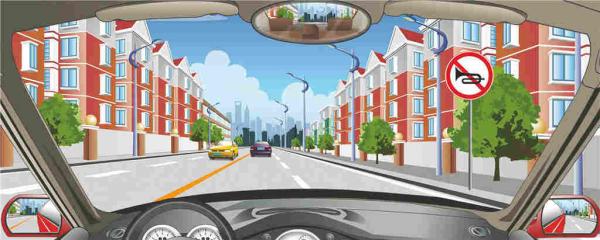
A. Right
B. Wrong
Answer: B
17. When rescuing a wounded person who has been poisoned by toxic gas, the first measure is to send him to a place with fresh air so that he will not continue to be poisoned.
A. Right
B. Wrong
Answer: A
18. Which of the following method is correct to rescue an unconscious person?
A. Apply cardio-pulmonaryresuscitation immediately
B. Press the philtrum of the wounded person with force
C. Continuously slap the face of the wounded person
D. Check the breath of the wounded person before other emergency treatments
Answer: D
19. As shown in the flash, what should the driver do when the motor vehicle encounters this situation?
A. Speed up and pass rapidly
B. Stop immediately
C. Sound the horn to indicate the pedestrians to yield
D. Observe the movement of pedestrians and non-motor vehicles before passing
Answer: D
20. What caused this drivers death in an accident?

A. Failing to fasten seatbelt
B. Positioned too close to the steering wheel
C. Failing to hold the steering wheel
D. Failing to turn on SRS
Answer: A