

1. Which one of the following is the safest way when driving a motor vehicle on this road?
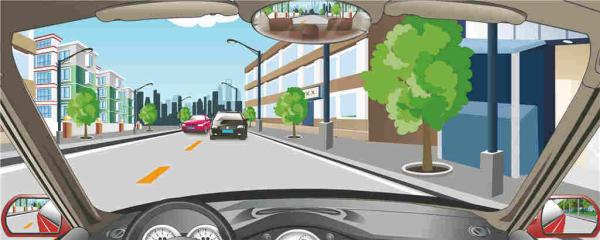
A. Cutting speed or stopping to yield
B. Driving along the center of the road
C. Keeping a normal speed
D. Approaching vehicles by taking the opposite lane
Answer: A
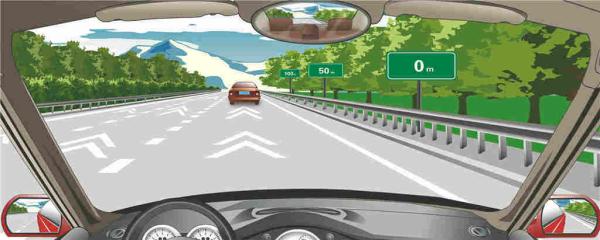
2. The sign in front indicates a one-kilometer distance from the highway entry.

A. Right
B. Wrong
Answer: A
3. The distance-ascertaining section of an expressway is used for the drivers to ascertain the safety distance when the speed is 100 kilometers per hour.
A. Right
B. Wrong
Answer: A
4. What should the driver do when the motor vehicle passes a flyover?
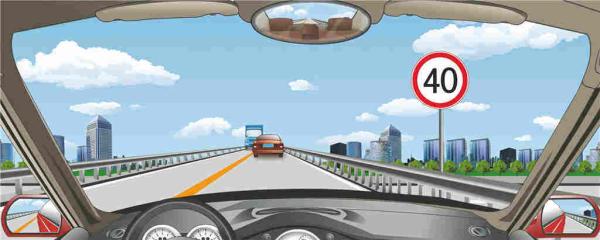
A. Speed up and pass rapidly
B. Keep the speed under 15 km/hour
C. Drive at the speed indicated by the traffic sign
D. Drive close to the central line of the flyover
Answer: C
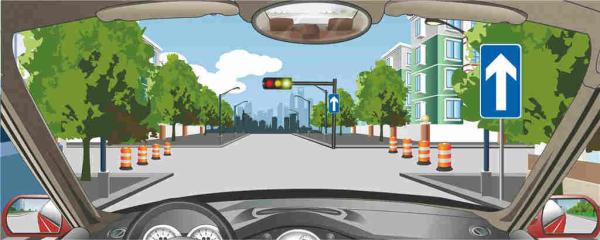
5. The sign on the right warns drivers to yield for oncoming motor vehicles.
A. Right
B. Wrong
Answer: B
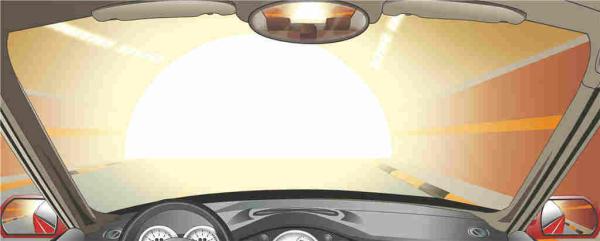
6. When a motor vehicle approaches the exit of a tunnel the driver should firmly hold the steering wheel to prevent any harmful effects of a strong side wind.
A. Right
B. Wrong
Answer: A
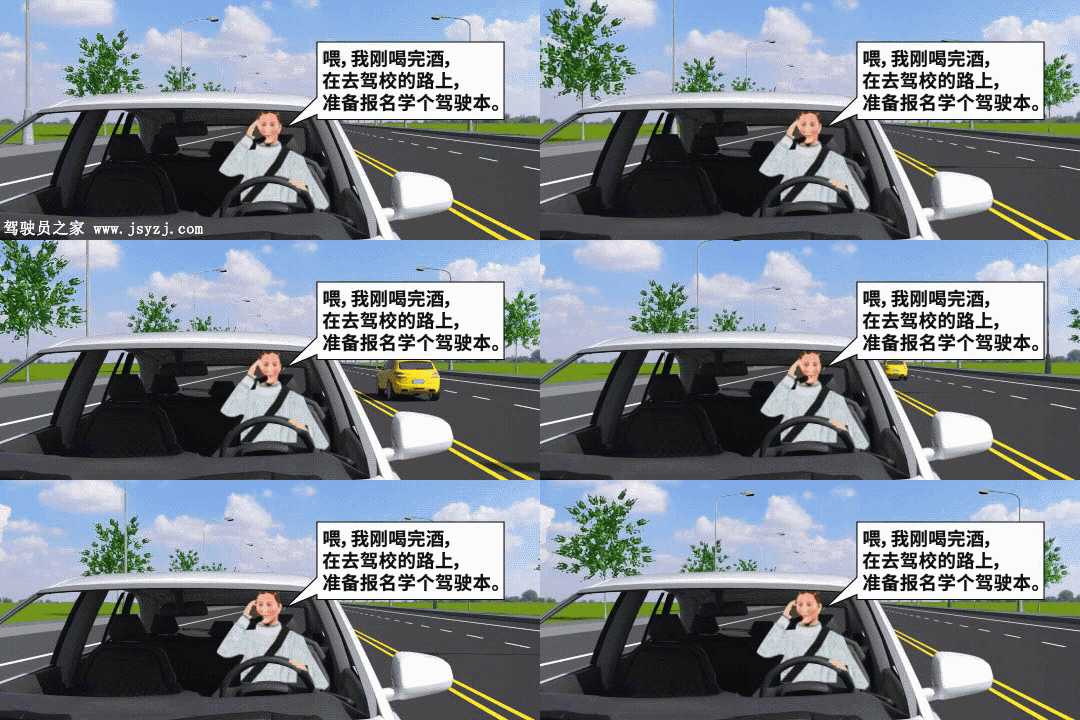
7. How many kinds of law-breaking acts are displayed in flash 5?
A. One
B. Two
C. Three
D. Four
Answer: C
8. When disembarking, what should be done by drivers in order to keep safe?
A. Opening the door and disembarking immediately after stopping
B. Observing the traffic situation ahead
C. Opening the door first and then observing the situation beside and behind the vehicle
D. Observing the situation beside and behind the vehicle before opening the door slowly
Answer: D
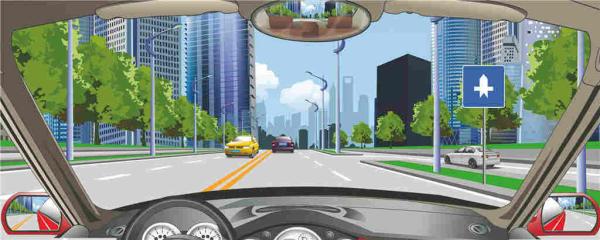
9. The sign on the right indicates that vehicles from the primary road have priority.
A. Right
B. Wrong
Answer: A
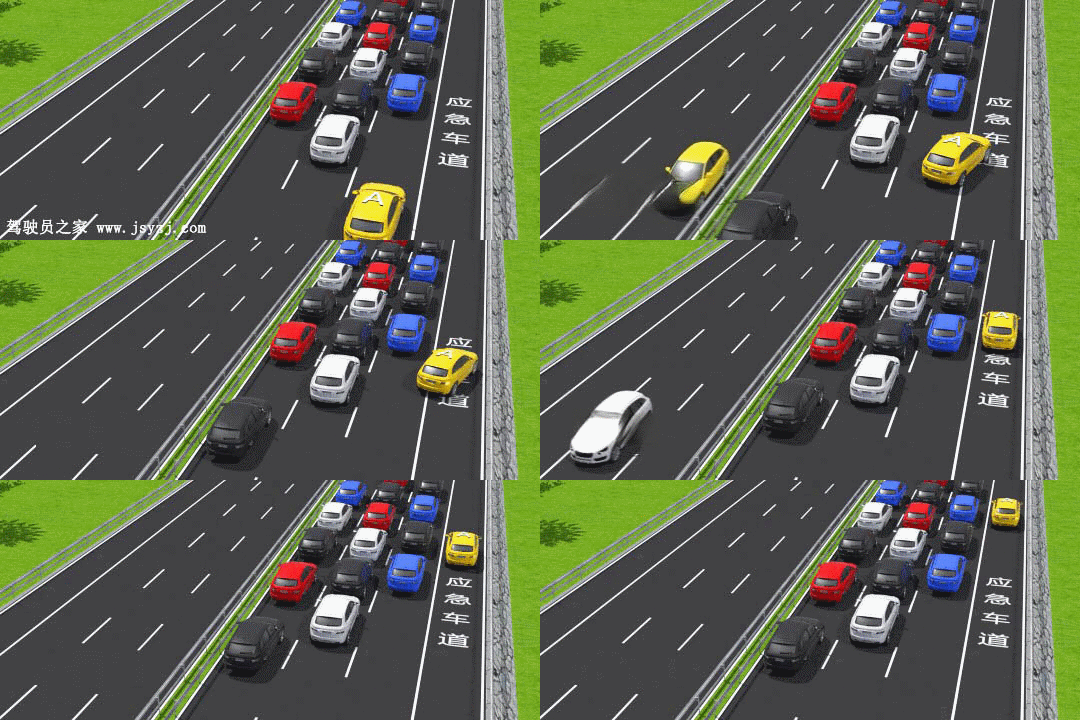
10. In the flash, it is correct for the driver to behave this way when there is a traffic jam caused by an accident on the expressway.
A. Right
B. Wrong
Answer: B
11. When a gas tanker is leaking heavily, which of the following measures is wrong?
A. Cut off the power
B. Wear gas mask and protect gloves
C. Turn off the valve to stop leaking
D. Evacuate people to the leeward side
Answer: D
12. When rescuing a wounded person suffering from spinal fracture, which of the following measures should be taken?
A. Prevent heat loss
B. Rescue the wounded person with a soft stretcher
C. Keep the wounded part in position with a sling
D. Help the wounded person when walking
Answer: C
13. The sign in the red circle indicates that vehicles except non-motor vehicles are not allowed to drive in this lane.
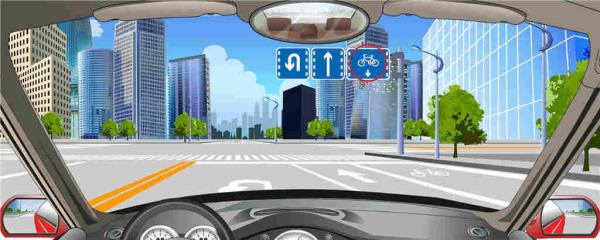
A. Right
B. Wrong
Answer: A
14. When passing an intersection, vehicle motor drivers are not allowed to overtake.
A. Right
B. Wrong
Answer: A
15. It is safest for a motor vehicle driver to overtake the vehicle in front from its righthand on this kind of road.
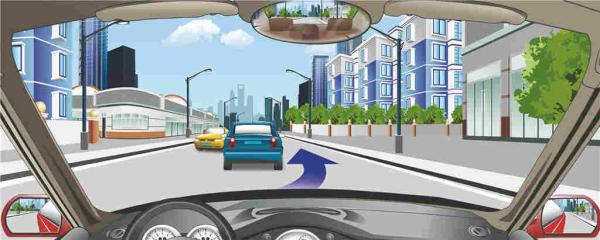
A. Right
B. Wrong
Answer: B
16. What does this sign on the fly-over junction indicate?
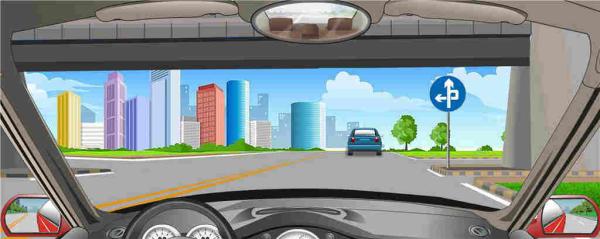
A. Turn right
B. Drive straight or turn left
C. Drive straight or turn right
D. Take a U-turn under bridge
Answer: B
17. What should the driver do when the motor vehicle passes the level crossing?
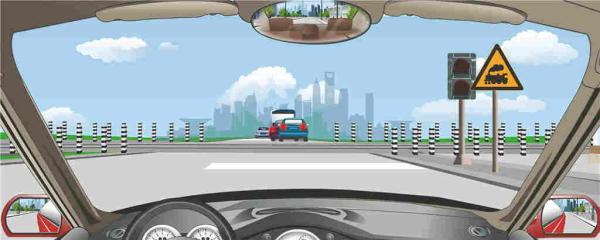
A. Change to neutral gear and slide over
B. Stop, look and pass
C. Speed up, look and pass rapidly
D. Slow down, look and pass slowly
Answer: B
18. This sign indicates the traffic broadcast and radio television channel of highway.
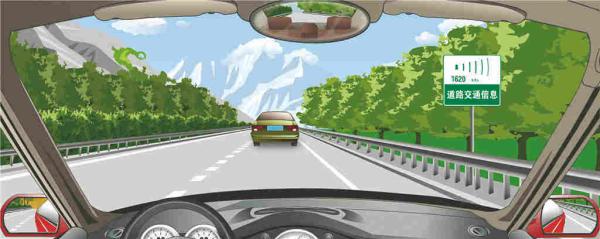
A. Right
B. Wrong
Answer: B
19. When a tire suddenly bursts on the road, what should not be done by the driver?
A. Keep calm and release the accelerator pedal slowly
B. Hold the steering wheel firmly to ensure the vehicle goes straight
C. Apply emergency braking and stop the vehicle in the shortest possible time
D. Gently depress the brake pedal after the vehicle slows down
Answer: C
20. The sign on the right indicates a section for ascertaining the distance between the vehicles 200 meters ahead.
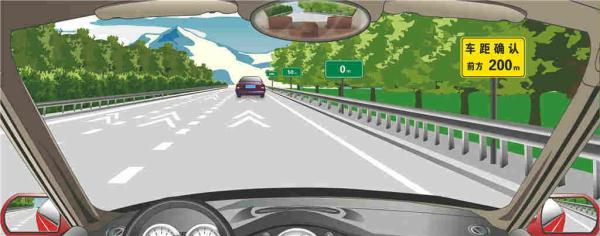
A. Right
B. Wrong
Answer: A