

1. Drivers may turn left when traffic police give these hand signals.
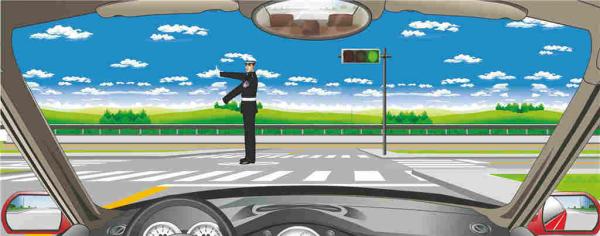
A. Right
B. Wrong
Answer: A
2. The broken and solid white line on the road indicates that crossing is allowed on the solid line side.
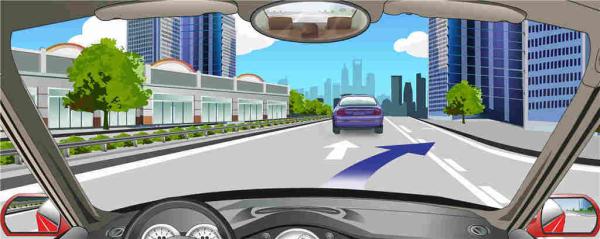
A. Right
B. Wrong
Answer: B
3. The driver should turn left by the left side of the intersection central point.
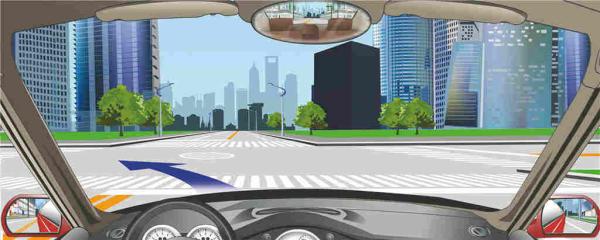
A. Right
B. Wrong
Answer: A
4. The guide arrow on the road surface of this lane indicates that the lanes ahead will merge to the left side.
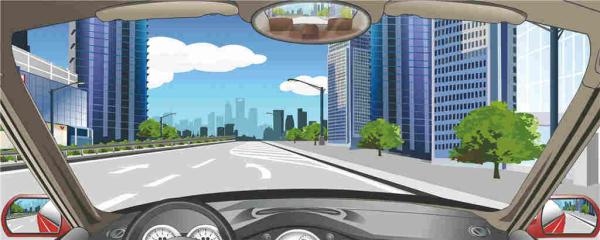
A. Right
B. Wrong
Answer: A
5. When driving in a heavy rain, drivers should contro their speed to prevent their vehicles from sliding.
A. Right
B. Wrong
Answer: A
6. When approaching a vehicle on a narrow slope, which one of the following ways is correct?
A. The descending vehicle yields to the ascending
B. The vehicle which is further from the slope crest should yield
C. The ascending vehicle yields to the descending
D. If the descending vehicle has reached the midpoint while the ascending vehicle has not yet set out, the descending vehicle must yield.
Answer: A
7. When rescuing a wounded person in coma causing by excessive blood loss, it is necessary to take measures to prevent heat loss.
A. Right
B. Wrong
Answer: A
8. The broken white line rectangle area on the right side of the road indicates that long stopping is permitted here.
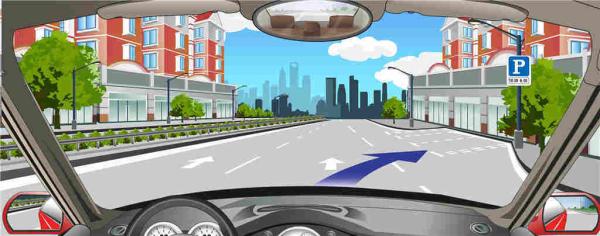
A. Right
B. Wrong
Answer: B
9. When parking temporarily in this situation, motor vehicle drivers are allowed to turn the steering wheel left to avoid sliding.

A. Right
B. Wrong
Answer: A
10. Mr. Zhao (with an A2 driving license) drove a large sleeper coach on the No. 219 National Road in Yecheng County. When passing a curve at the spot of 226 kilometers mark by 215 meters on the road, the coach fell into the ravine on one side, killing16 people and injuring 26. What is the main illegal act committed by Mr. Zhao?
A. Carrying more passengers than permitted
B. Driving a motor vehicle having failed to accept inspection in time
C. Driving an unpermitted vehicle type
D. Fatigued driving
Answer: C
11. When a wounded person is beneath the wheel or cargo, we should help him out immediately by pulling the limbs of the wounded.
A. Right
B. Wrong
Answer: B
12. Where is the proper parking place for breakdown motor vehicles stopping for examination?
A. In the far outer lane
B. In the inner lane
C. In the emergency lane
D. Entrance area of the ramp
Answer: C
13. Motor vehicle drivers should use the windscreen wiper when setting off on a rainy day
A. Right
B. Wrong
Answer: A
14. What should motor vehicle drivers do when approaching an oncoming vehicle on a frozen road?
A. Cut speed as approaching each other
B. Pass each other by speeding up properly
C. Pass each other slowly by cutting speed in advance
D. Pass each other along the central line to the best
Answer: C
15. What matters need attention when driving on a rainy day?
A. Avoid using the emergency brake or making sharp turns
B. Keep a safe enough distance
C. Observe the traffic situation of non-motor vehicles and surrounding pedestrians
D. Drive at a safe speed
Answer: ABCD
16. When a motor vehicle accidentally hits the guardrail of a highway, an effective protective measure is to turn dramatically in the opposite direction.
A. Right
B. Wrong
Answer: B
17. What should the driver do when seeing these hand signals.
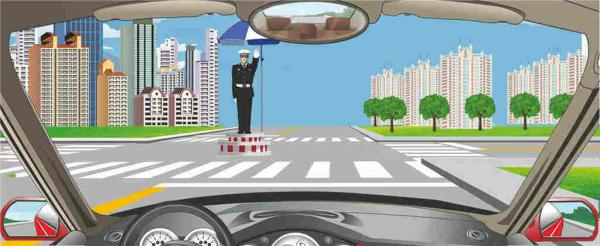
A. Stop and wait
B. Go straight and pass through the intersection
C. Turn right at the intersection
D. Turn left at the intersection
Answer: A
18. Which one of the following measures is correct when a motor vehicle intends to overtake but the vehicle in front refuses to yield?
A. Use a long-sounding horn
B. Follow the vehicle in front while turning high-beam
C. Wait for it to yield while keeping a safe distance
D. Use high-beam and low-beam alternatively
Answer: C
19. The sign on the left warns of no passing on the right-hand road ahead.
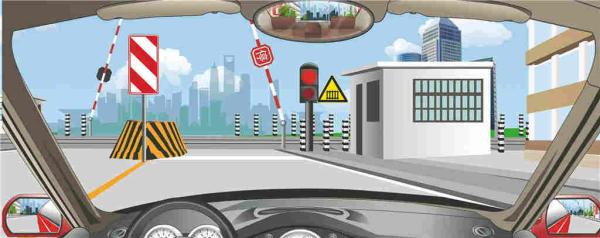
A. Right
B. Wrong
Answer: B
20. Under such circumstances, what should motor vehicle drivers do?
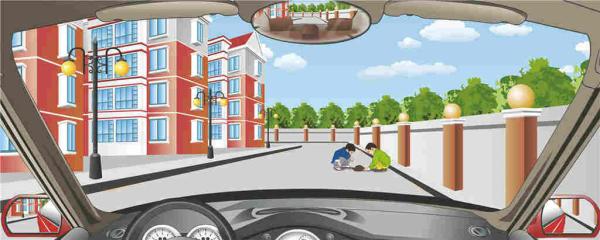
A. Continuously sound the horn
B. Pass quickly
C. Pass at a lower speed
D. Bypass from either side
Answer: C