

1. What should motor vehicle drivers do when parking temporarily on a rainy day?
A. Turn on hazard lamp
B. Turn on front and back fog lamp
C. Turn on low-beam
D. Set up warning sign at the back of the vehicle
Answer: A
2. The diamond-shaped sign on the road indicates a crosswalk on the road ahead.
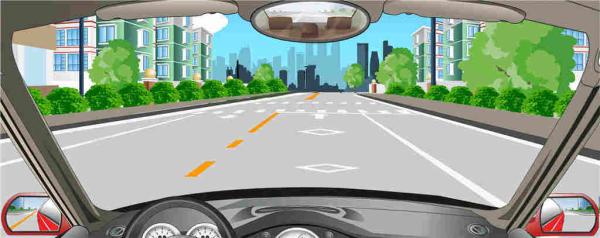
A. Right
B. Wrong
Answer: A
3. The guide arrow on the road surface of this lane indicates that U-turns and left turns are permitted at the intersection ahead.

A. Right
B. Wrong
Answer: A
4. As shown in the flash, what should the driver do when the motor vehicle encounters this situation?
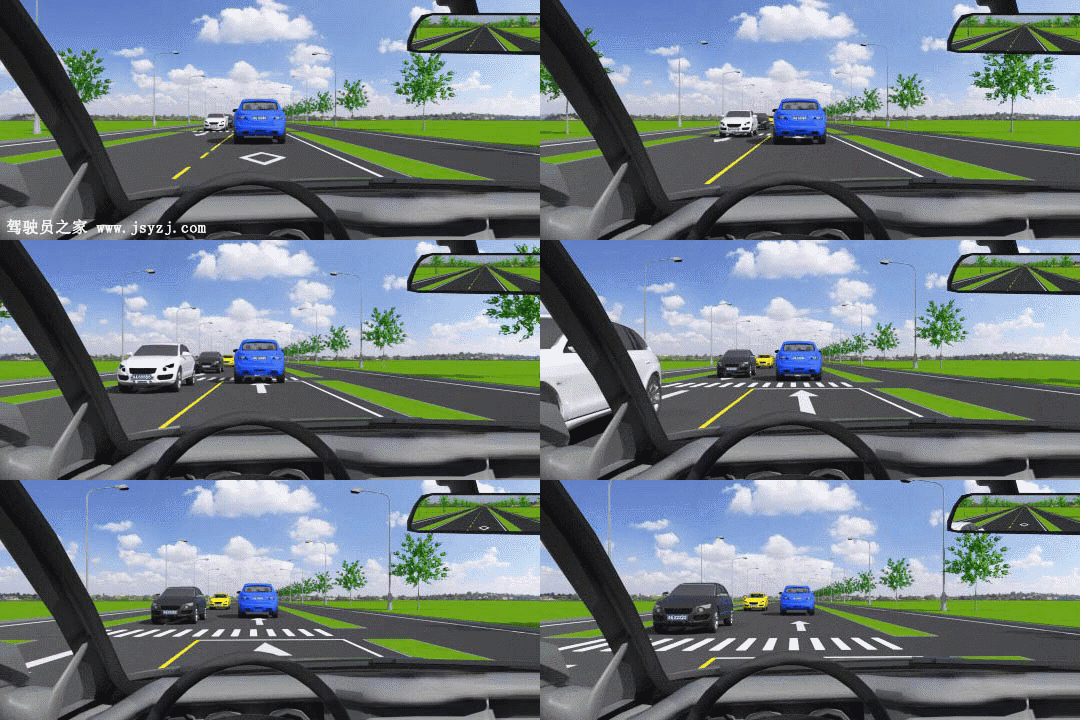
A. Speed up and pass rapidly
B. Stop immediately
C. Sound the horn to indicate the pedestrians to yield
D. Observe the movement of pedestrians and non-motor vehicles before passing
Answer: D
5. Drivers may cross these central solid and broken yellow lines when overtaking.
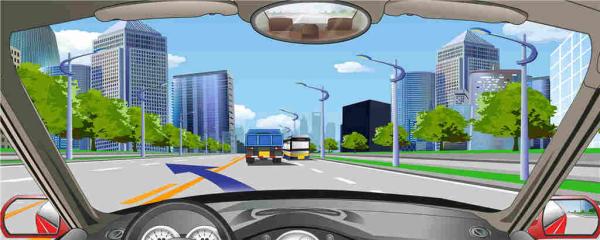
A. Right
B. Wrong
Answer: B
6. When a motor vehicle accidentally hits a guardrail of a highway, the driver should stabilize and adjust the steering wheel properly, and refrain from turning the steering wheel drastically.
A. Right
B. Wrong
Answer: A
7. The sign on the right indicates a bypass route at the intersection ahead.
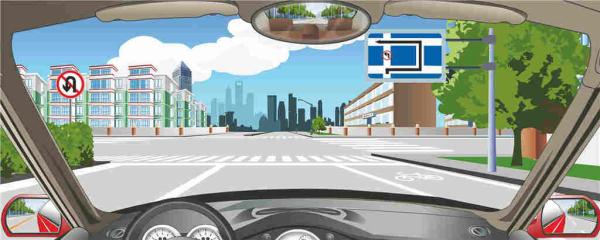
A. Right
B. Wrong
Answer: A
8. What should motor vehicle drivers do under the circumstances shown in the flash?
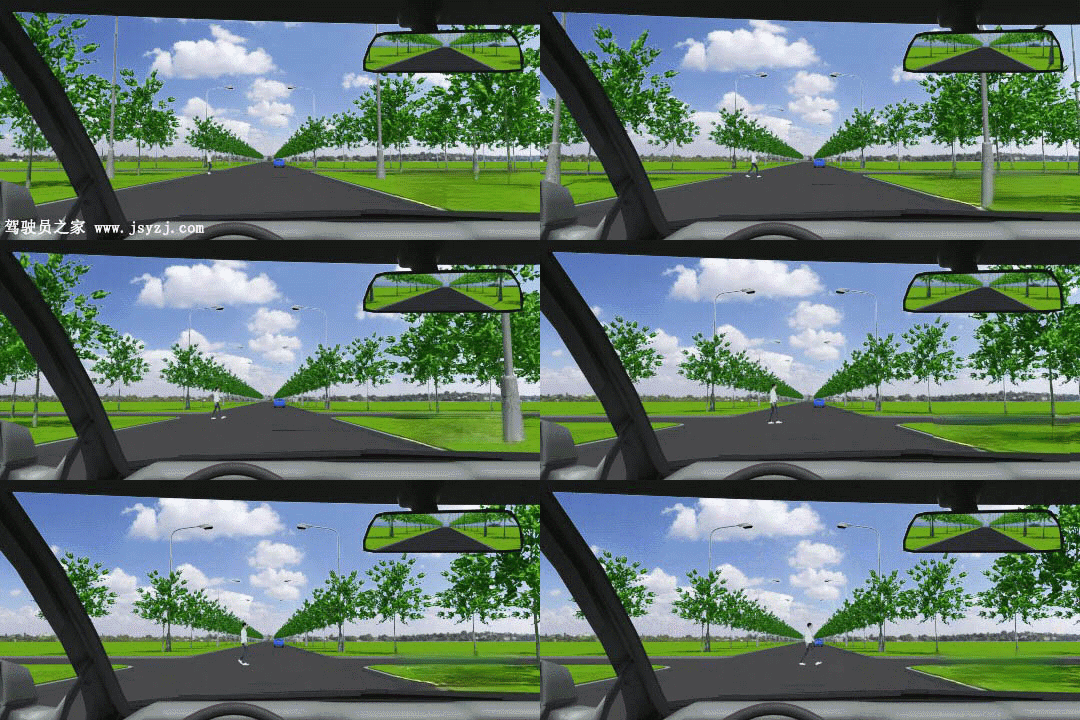
A. Reduce speed or stop to yield
B. Sound the horn to warn the pedestrians to yield
C. Pass before the pedestrians
D. Immediately change to another lane to bypass the pedestrians
Answer: A
9. As shown in this picture, the vehicles intending to turn left are allowed to drive into the left-turn waiting area directly to wait for the green light.
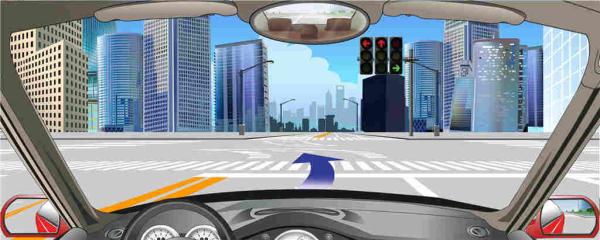
A. Right
B. Wrong
Answer: B
10. Having driven his truck at 90km/hour on an urban road without road lamps, Mr. Zhou is passing a narrow road using the high-beam and cutting off the way of an oncoming passenger car that runs into the right guardrail as a consequence. Which of the following law-breaking acts did Mr. Zhou commit?
A. Speeding
B. Approaching a vehicle not in accordance with related regulations and rules
C. Fatigued driving
D. Using lamps not in accordance with related regulations and rules
Answer: ABD
11. When encountering a road like this, motor vehicle drivers may make good use of neutral gear to coast.
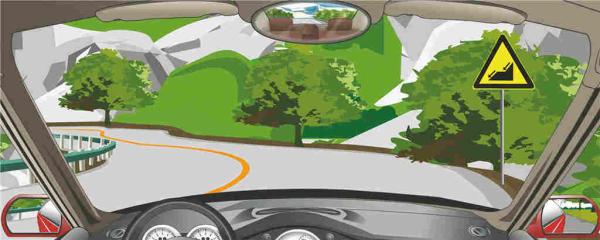
A. Right
B. Wrong
Answer: B
12. What should be done by the driver who intends to overtake but the motor vehicle in front neither reduces its speed nor allows the right of way?
A. Continuously sounding the horn and accelerating to overtake
B. Accelerating and continuing to overtake
C. Refraining from overtaking
D. Following the vehicle in front closely and finding a chance to overtake
Answer: C
13. When driving on this dangerous mountainside road, motor vehicles should drive along the right side of the road.
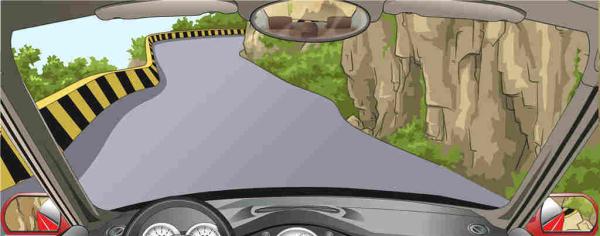
A. Right
B. Wrong
Answer: A
14. When seeing this sign, the driver should slow down promptly.
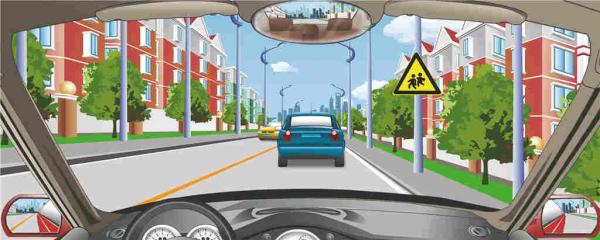
A. Right
B. Wrong
Answer: A
15. The motor vehicle may promptly overtake the vehicle in front from the left side in this situation.
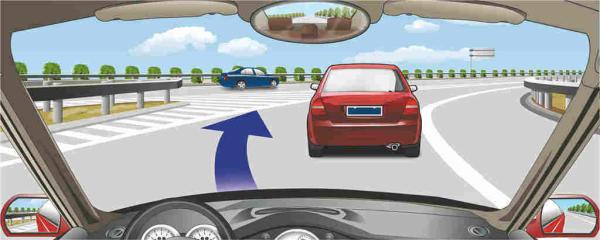
A. Right
B. Wrong
Answer: B
16. The sign on the left indicates that drivers should stop to take a pass card at the toll station ahead.
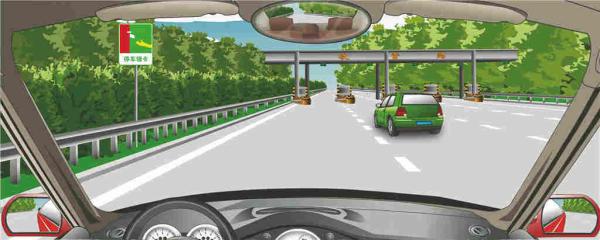
A. Right
B. Wrong
Answer: A
17. When a motor vehicle catches fire, the driver should swiftly turn off the engine and open the hood to extinguish the fire.
A. Right
B. Wrong
Answer: B
18. When going straight or turning right, drivers are not allowed to drive on or across the guide lines on both sides of the intersection.
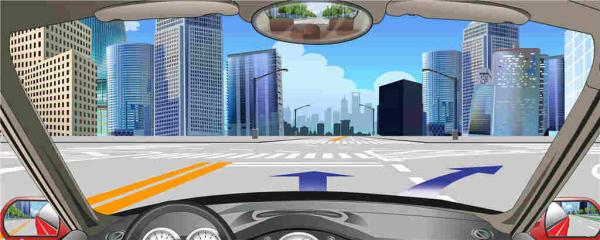
A. Right
B. Wrong
Answer: A
19. Which lamp should be used when motor vehicles pass through an intersection at night where there is no traffic light signal?
A. High-beam
B. Low-beam
C. Hazard lamps
D. High-beam and low-beam should be used alternatively
Answer: D
20. What should the driver do when a motor vehicle encounters this situation on a mountain road?
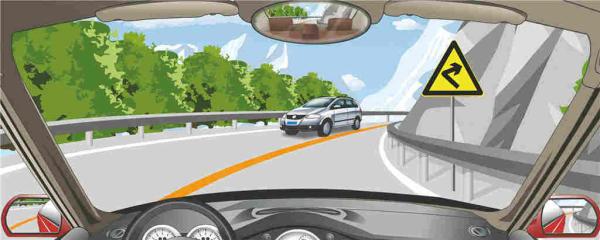
A. Stick to respective lanes and speed up to approach each other
B. Drive close to the central line of the road
C. Retain the normal speed
D. Slow down
Answer: D