

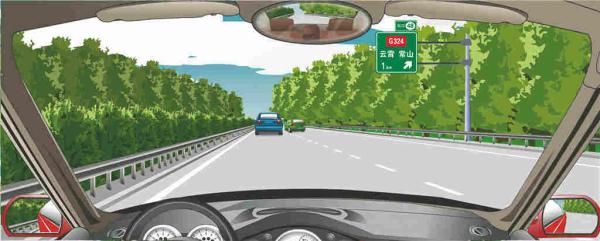
1. The sign in front indicates a one-kilometer distance from the next left exit.
A. Right
B. Wrong
Answer: B
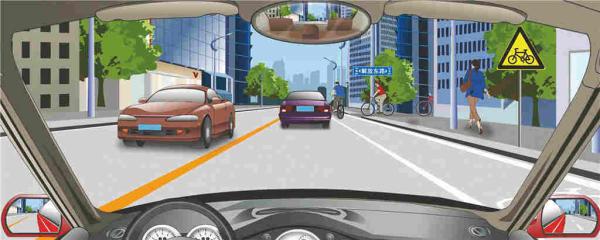
2. The sign on the right warns of a non-motor vehicle lane.
A. Right
B. Wrong
Answer: B
3. Which one of following ways is the safest when driving a motor vehicle on this road?
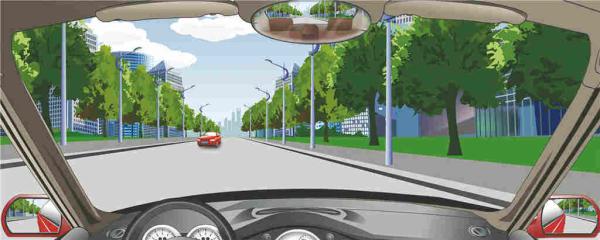
A. Driving along the central line of the road
B. Driving along the right side of the road
C. Driving at the middle of the road
D. Driving along the left side of the road
Answer: B
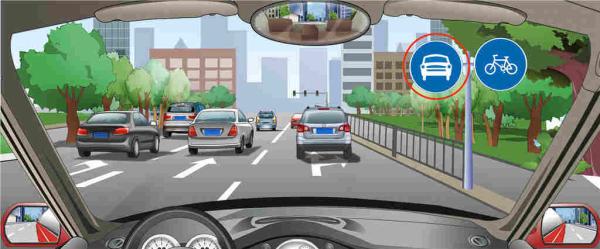
4. The sign in the red circle indicates that the left road is only for small vehicles.
A. Right
B. Wrong
Answer: B
5. The sign in front is an advance announcement of famous places and distances en route.
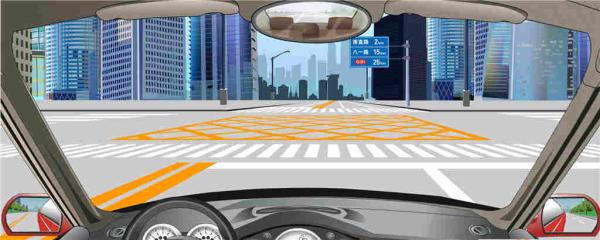
A. Right
B. Wrong
Answer: A
6. Which one of the following is a safe way for motor vehicles to converge into an intersection marked with this sign?

A. Speeding up and driving into the traffic flow directly
B. Driving into the traffic flow behind the gray car on the main road
C. Driving into the traffic flow from the front of the red car on the main road
D. Turning on the indicator and driving into the flow directly
Answer: B
7. When a motor vehicle turns left at this intersection the driver should change to the left lane in advance by the guide arrow.
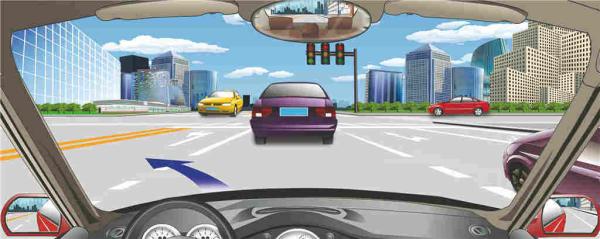
A. Right
B. Wrong
Answer: A
8. The driver may not yield when the motor vehicle encounters this situation at the intersection.
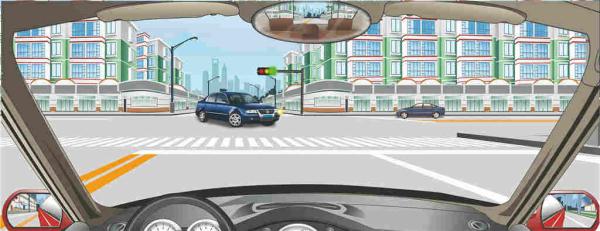
A. Right
B. Wrong
Answer: B
9. When there is bleeding at the bone fracture of a wounded person, the first thing to do is to fix the wounded part in position, then stop the bleeding and dress the wound.
A. Right
B. Wrong
Answer: B
10. The sign on the right warns of a one-way tunnel ahead.
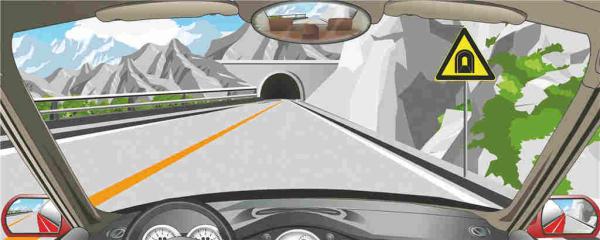
A. Right
B. Wrong
Answer: B
11. When a motor vehicle reaches a muddy or burst-and-muddy section of the road, the driver should stop, observe and select a level and solid section or a section with vehicle tracks.
A. Right
B. Wrong
Answer: A
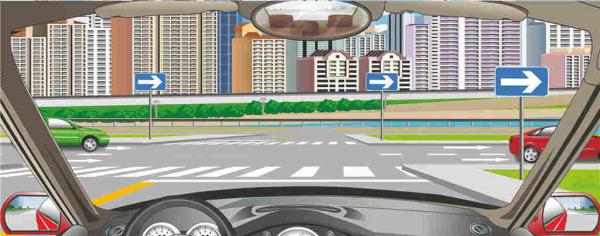
12. The sign in front indicates a one-way lane after turning right.
A. Right
B. Wrong
Answer: A
13. Mr. Shi drove a low-speed cargo vehicle (capacity 1.2 tons)with 4.05 tons of cargo. At the spot of 51 kilometers mark by 260 meters on the No. 314 County Road in Ningjin County, the cargo vehicle had a head-on collision with a normally running midsize bus( capacity 11 people and carrying12) from the opposite direction after passing the central line of the road and overtaking the front vehicle in the same direction. As a result of this accident, 10 people were killed and 2 injured. What are the illegal acts in this case?
A. The cargo vehicle carried more cargo than capacity
B. The cargo vehicle illegally overtook other vehicles
C. The bus carried more passengers than capacity
D. The driver of the bus kept driving when tired
Answer: ABC
14. When driving on a foggy day, the driver should turn on the fog lamp.
A. Right
B. Wrong
Answer: A
15. When rescuing a person sustaining full-body burns the rescue personnel may spray cool water to his body to put out the fire.
A. Right
B. Wrong
Answer: A
16. What should motor vehicle drivers do under such circumstances at night?
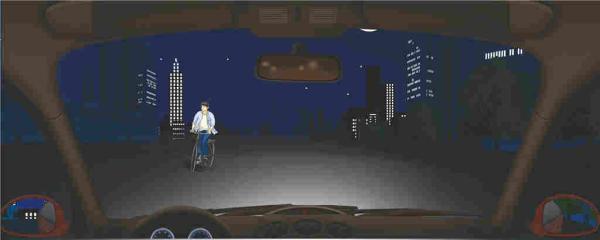
A. Turn off the headlamp when approaching
B. Use low-beam
C. Use high-beam
D. Turn off all lamps in advance
Answer: B
17. What should the driver pay attention to in this situation?
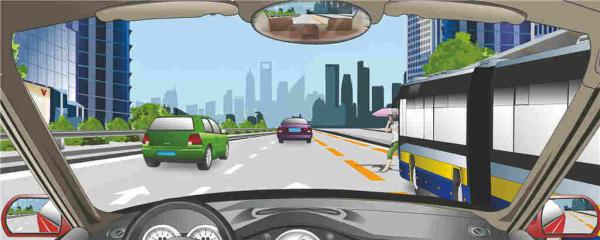
A. Pedestrians passing behind the vehicle
B. Pedestrians passing in front of the vehicle
C. Public buses suddenly reversing
D. Public buses suddenly setting off
Answer: B
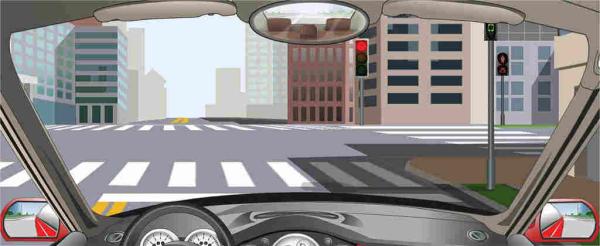
18. Motor vehicles can turn right when driving into an intersection with this traffic signal.
A. Right
B. Wrong
Answer: A
19. What should the driver do if he wants to turn right at this intersection?
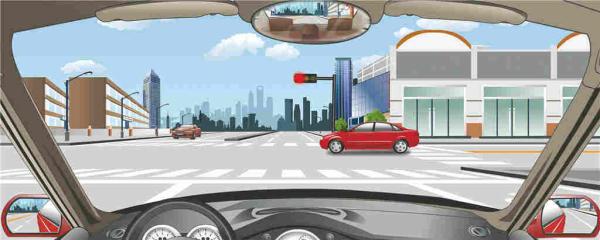
A. Turn right along the straight-going lane
B. Wait behind the stop line
C. Turn right along the right lane
D. Borrow the non-motor vehicle lane and turn right
Answer: C
20. When rescuing a wounded person in coma causing by excessive blood loss, it is necessary to take measures to prevent heat loss.
A. Right
B. Wrong
Answer: A