

1. When there is no bandage for rescuing a wounded person, which of the following measures is wrong?
A. Dress the wounds with a handkerchief
B. Dress the wounds with a towel
C. Dress the wounds with cotton clothes
D. Dress the wounds with string
Answer: D
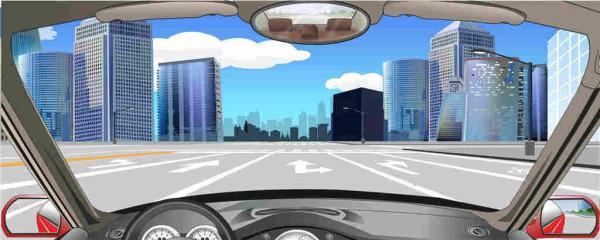
2. The guide arrow on the road surface of this lane indicates that only right turns are permitted at the intersection ahead.
A. Right
B. Wrong
Answer: B
3. When encountering this situation, which of the following is the correct way to overtake other vehicles?
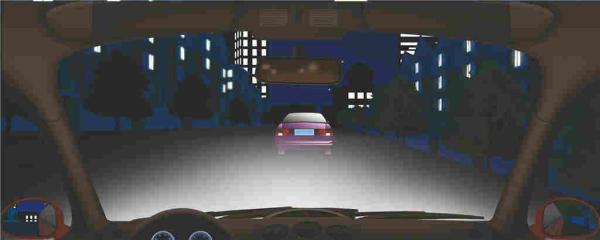
A. Turn on high-beam
B. Use high-beam and low-beam alternatively
C. Turn on low-beam
D. Turning on hazard lamp
Answer: B
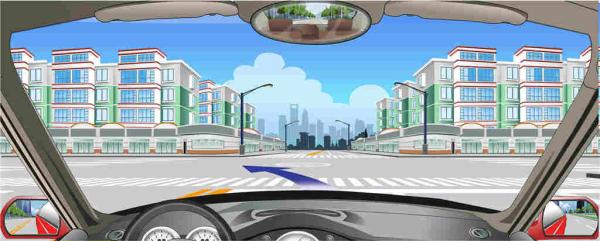
4. The circle in the center of the intersection indicates that drivers should drive along the inner side when making a small left turn.
A. Right
B. Wrong
Answer: A
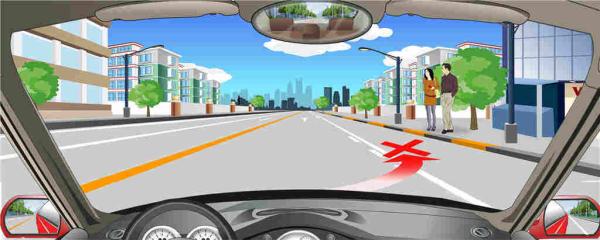
5. The yellow broken line on the curb indicates that vehicles are not allowed to stop and let passengers embark or disembark or load and unload freight at the roadside.
A. Right
B. Wrong
Answer: B
6. When a motor vehicle passes over an inundated road, what should the driver do for safe driving?
A. Slow down and drive with special care
B. Speed up and pass rapidly
C. Maintain a normal speed and pass through
D. Change to a low gear and speed up to pass
Answer: A
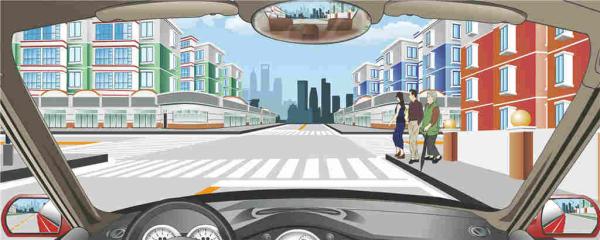
7. When the motor vehicle encounters a crosswalk in this situation, the driver may speed up and pass rapidly.
A. Right
B. Wrong
Answer: B
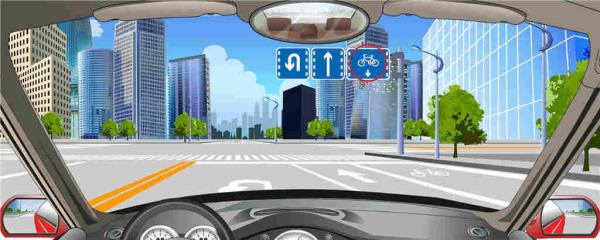
8. The sign in the red circle indicates that vehicles except non-motor vehicles are not allowed to drive in this lane.
A. Right
B. Wrong
Answer: A
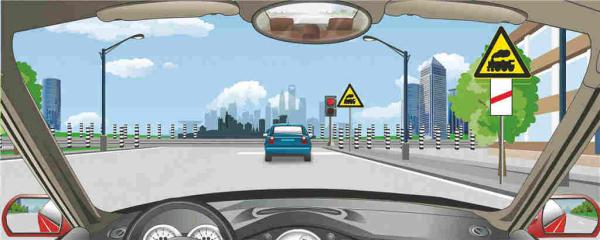
9. The sign on the right warns of a guarded railway crossing 100 meters ahead.
A. Right
B. Wrong
Answer: B
10. How should lamps be used when a motor vehicle meets an oncoming bicycle on a narrow road or a narrow bridge at night?
A. Continuously change between low-beam and high-beam
B. Use clearance lamp
C. Use high-beam
D. Use low-beam
Answer: D
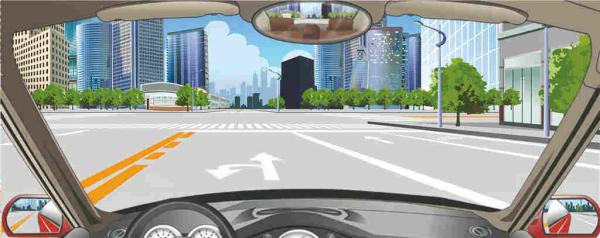
11. The guide arrow on the road surface of this lane indicates that only U-turns are permitted at the intersection ahead.
A. Right
B. Wrong
Answer: B
12. When encountering an emergency on a highway, the driver should not drastically turn to evade.
A. Right
B. Wrong
Answer: A
13. When temporarily parking on a raining day, what kind of lamp should the driver turn on?
A. Front and back fog lamps
B. Hazard warning lamp
C. Headlamp
D. Reversing lamp
Answer: B
14. The marking on the road surface indicates that the speed limit of this road section is 80 km/hour.
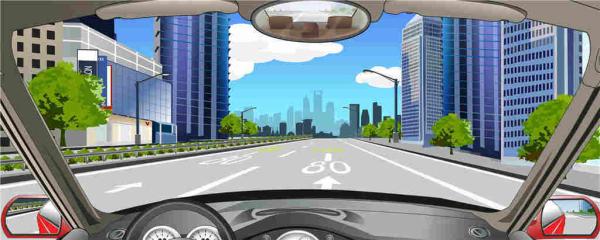
A. Right
B. Wrong
Answer: B
15. The sign on the right warns of an embankment road 200 meters ahead.
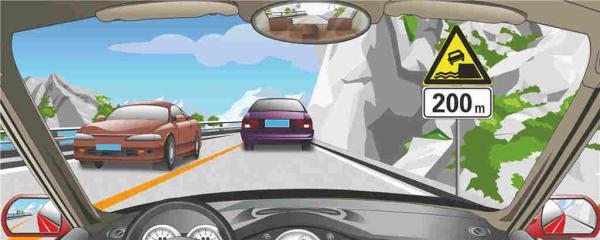
A. Right
B. Wrong
Answer: A
16. When a motor vehicle enters an expressway from the ramp, which of the following lamps should be turned on?
A. The left-turn indicator
B. The right-turn indicator
C. The hazard warning lamp
D. The headlamp
Answer: A
17. The sign on the right warns of no passing on either side of the road ahead.
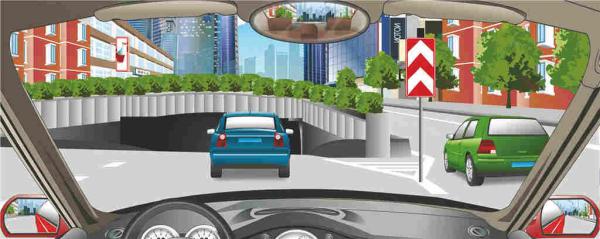
A. Right
B. Wrong
Answer: B
18. When a motor vehicle accidentally hits the guardrail of a highway, an effective protective measure is to turn dramatically in the opposite direction.
A. Right
B. Wrong
Answer: B
19. The solid yellow line on the curb indicates that temporary stopping or parking is allowed at the roadside.
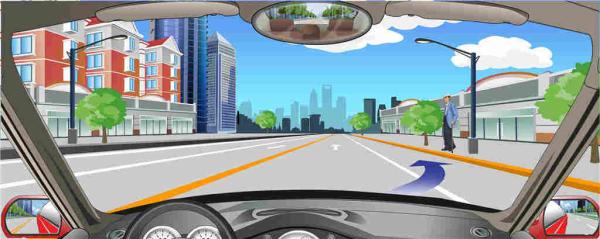
A. Right
B. Wrong
Answer: B
20. What should the driver do when the motor vehicle counters this situation?
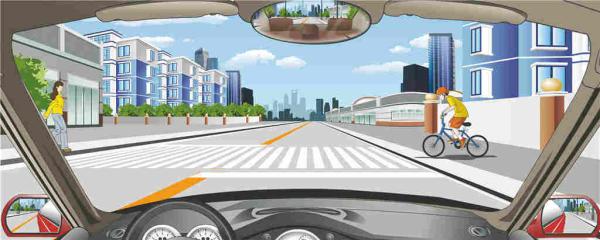
A. Sound the horn continuously to warn
B. Speed up and bypass from the front
C. Slow down when encountering any risks
D. Slow down voluntarily and yield
Answer: D