

1. When a motor vehicle breaks down and cannot be moved away from the expressway, the driver and all passengers should stay in the vehicle and wait for the rescue personnel.
A. Right
B. Wrong
Answer: B
2. When a motor vehicle accidentally hits the guardrail of the highway, what should be done by the driver in order to keep safe?
A. Firmly holding and properly adjusting the steering wheel
B. Turning swiftly to the opposite direction
C. Immediately applying emergency braking
D. Immediately steering to the collision side
Answer: A
3. At this moment, the driver may speed up and pass the intersection rapidly.

A. Right
B. Wrong
Answer: B
4. Before setting off, it is necessary to check the driving cabin, engine cabin, external and tires of the motor vehicle.
A. Right
B. Wrong
Answer: A
5. Motor vehicle drivers don?ˉt need to fasten their seatbelt
A. Right
B. Wrong
Answer: B
6. The diamond-shaped broken line warns that drivers should drive at a lower speed on the road sections ahead.
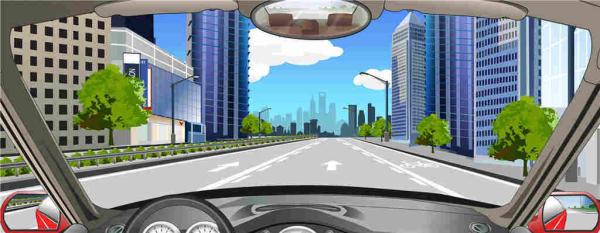
A. Right
B. Wrong
Answer: A
7. When a gas tanker is leaking heavily, which of the following measures is wrong?
A. Cut off the power
B. Wear gas mask and protect gloves
C. Turn off the valve to stop leaking
D. Evacuate people to the leeward side
Answer: D
8. Which lamp should be turned on when motor vehicles pass through a road section at night where the street light condition is good?
A. Front and rear fog lamps
B. Low-beam
C. High-beam
D. Hazard lamp
Answer: B
9. The sign on the right warns of a dangerous mountainside road ahead.
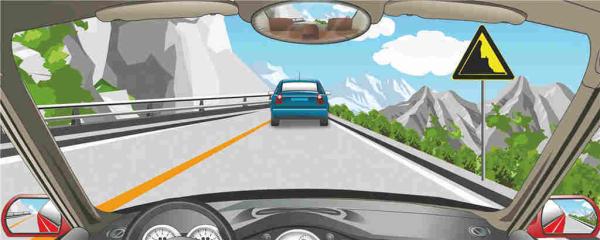
A. Right
B. Wrong
Answer: A
10. When the wounded person is suffering main artery bleeding, where should the rescue personnel press by thumb to stop the bleeding?
A. The artery near the heart
B. The artery lower to the wound
C. The artery further from the heart
D. The artery in the center of the wound
Answer: A
11. The sign indicates no overtaking on the section ahead.
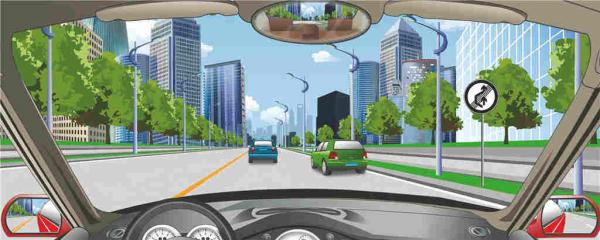
A. Right
B. Wrong
Answer: B
12. When a motor vehicle falls into water and the side door cannot be opened, which of the following methods is correct for self-rescue?
A. Smash the window glass
B. Close the windows
C. Make calls for help
D. Try to open the door with a tool
Answer: A
13. When encountering this situation on a mountainous road, motor vehicle drivers should overtake the vehicle in front by speeding up.
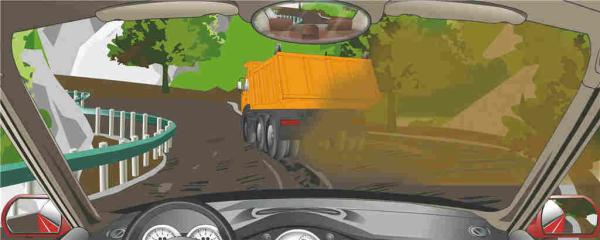
A. Right
B. Wrong
Answer: B
14. After a tire bursts and before the driver can control the speed of the vehicle, he should not risk using the foot brake to stop the vehicle. Otherwise, a horizontal swing of the vehicle can cause greater danger.
A. Right
B. Wrong
Answer: A
15. When a motor vehicle on an expressway stops in an emergency due to breakdown or an accident, what should the driver and the passengers do?
A. Stand in front of the motor vehicle
B. Wait in the motor vehicle for rescue
C. Stand behind the motor vehicle
D. Promptly move to the road shoulder on the right side or the emergency lane
Answer: D
16. The sign on the left warns that there are vehicles converging into the intersection on the left.
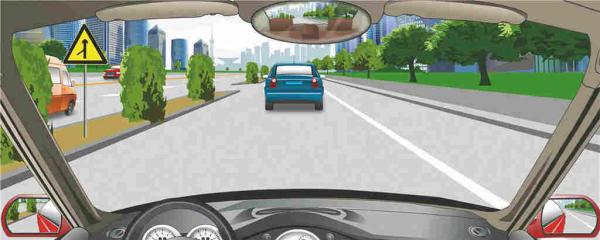
A. Right
B. Wrong
Answer: A
17. When driving on this dangerous mountainside road, motor vehicles should drive along the right side of the road.
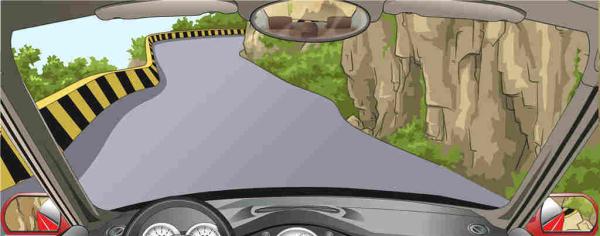
A. Right
B. Wrong
Answer: A
18. When encountering such pedestrians, what should motor vehicle drivers do?
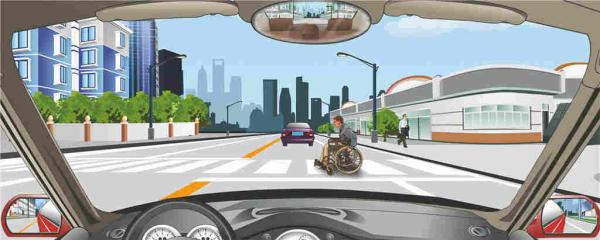
A. Bypass in front of the pedestrians
B. Bypass from behind the pedestrians
C. Sound the horn to alert the pedestrians
D. Voluntarily stop and yield
Answer: D
19. The crosswalk of the intersection warns that pedestrians have priority.

A. Right
B. Wrong
Answer: A
20. When extinguishing a fire, the driver should refrain from breathing through mouth or crying loudly Otherwise, the fire and smoke will scorch the upper respiratory tract.
A. Right
B. Wrong
Answer: A