

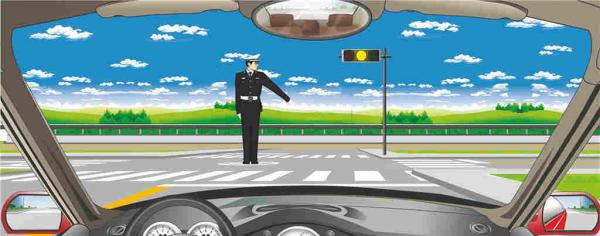
1. Drivers may turn left when traffic police give these hand signals.
A. Right
B. Wrong
Answer: B
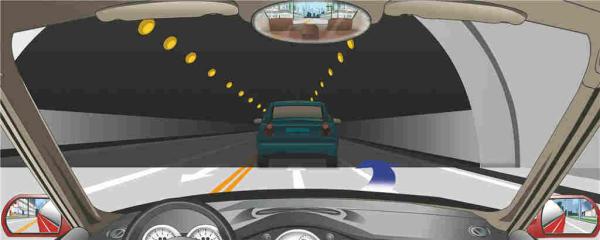
2. Under such circumstances, the motor vehicle is allowed to overtake.
A. Right
B. Wrong
Answer: B
3. For a temporary stop on a foggy day, the driver should only turn on the fog lamp and the low-beam
A. Right
B. Wrong
Answer: B
4. As shown in the flash, the motor vehicle chooses a correct way to pass through the level crossing.

A. Right
B. Wrong
Answer: A
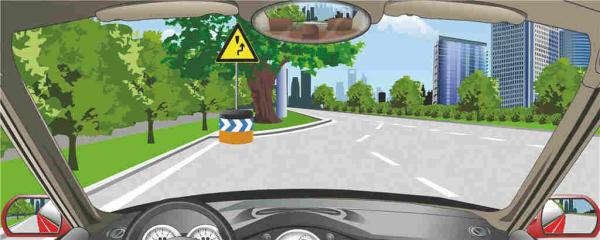
5. This sign warns to bypass from the left side to avoid the roadblock.
A. Right
B. Wrong
Answer: B
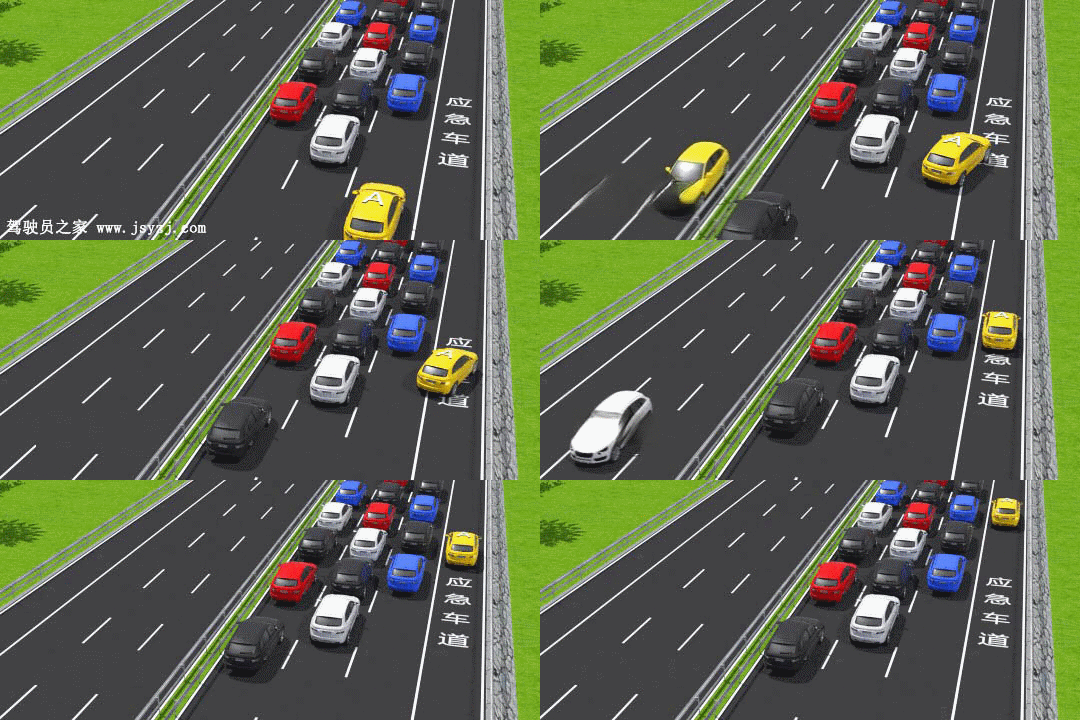
6. In the flash, it is correct for the driver to behave this way when there is a traffic jam caused by an accident on the expressway.
A. Right
B. Wrong
Answer: B
7. When fixing the unexposed bones in position, it is necessary to exceed the upper and lower joints of the wounded body part.
A. Right
B. Wrong
Answer: A
8. Which one of the following measures is correct when a motor vehicle encounters this situation at night?
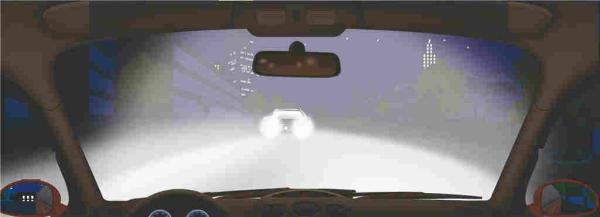
A. Keep driving at a normal speed
B. Drive at an increased speed to avoid light
C. Cut speed or stop to yield
D. Turn on high-beam to reject
Answer: C
9. When driving on road sections where safe sight distance is affected, such as the top of a ramp, what should drivers do to ensure safety?
A. Rush through
B. Use hazard lamp
C. Cut speed and sound the horn
D. Drive at will
Answer: C
10. Drivers may turn left when seeing these hand signals.

A. Right
B. Wrong
Answer: A
11. The sign on the right side warns of an emergency lane 500 meters ahead.
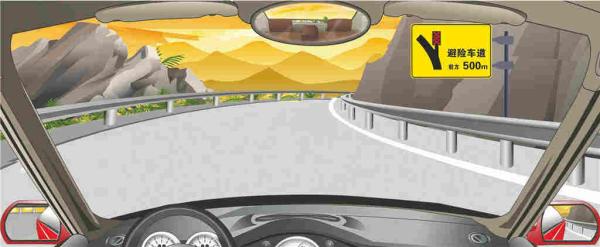
A. Right
B. Wrong
Answer: A
12. The sign on the right side indicates no entry for all vehicles.
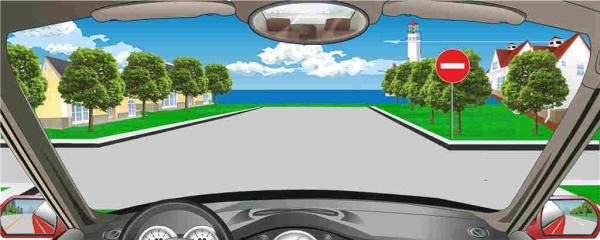
A. Right
B. Wrong
Answer: A
13. When following a vehicle on the road, the distance from the vehicle in front is not important. As long as the driver goes forward at the same speed as the vehicle in front does, he can avoid a rear-end collision.
A. Right
B. Wrong
Answer: B
14. When a motor vehicle breaks down on an expressway and cannot be moved away from the driving lane, the driver may conduct emergency repairs on the driving lane.
A. Right
B. Wrong
Answer: B
15. When encountering this situation around a school, the driver should speed up and pass as quickly as possible.

A. Right
B. Wrong
Answer: B
16. What does this sign on the fly-over junction indicate?
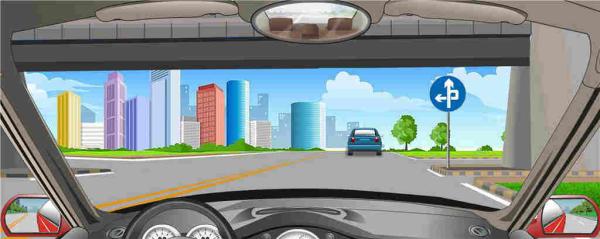
A. Turn right
B. Drive straight or turn left
C. Drive straight or turn right
D. Take a U-turn under bridge
Answer: B
17. Motor vehicle drivers may make a U-turn in this area as long as it will not affect the passing of pedestrians.
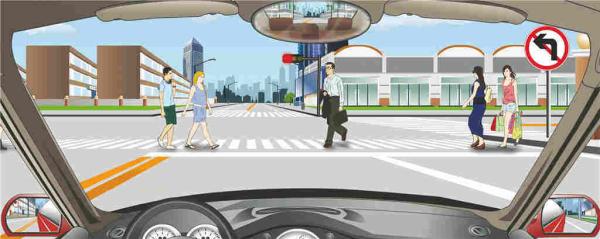
A. Right
B. Wrong
Answer: B
18. When the tire pressure is too low, what can happen when driving at a high speed?
A. Tire pressure will be unstable
B. Tire pressure will increase
C. Driving resistance will decrease
D. The tire will burst
Answer: D
19. When driving on a road covered with ice and snow, drivers tend to encounter glare caused by reflection of light rays from the road surface.
A. Right
B. Wrong
Answer: A
20. When encountering a school bus which stops at the right roadside and students are embarking or disembarking, what should motor vehicle drivers do?
A. If there is only one motor vehicle lane in each direction, motor vehicle drivers behind the bus should stop and wait.
B. If there are two motor vehicle lanes in each direction, motor vehicle drivers in the left lane behind the bus may overtake the bus at a lower speed
C. If there are three motor vehicle lanes in each direction, motor vehicle drivers in the middle lane behind the bus should stop and wait
D. If there are three motor vehicle lanes in each direction, motor vehicle drivers in the left lane behind the bus may pass at a lower speed
Answer: ACD