

1. As shown in the flash, what should the driver do when the motor vehicle encounters this situation?
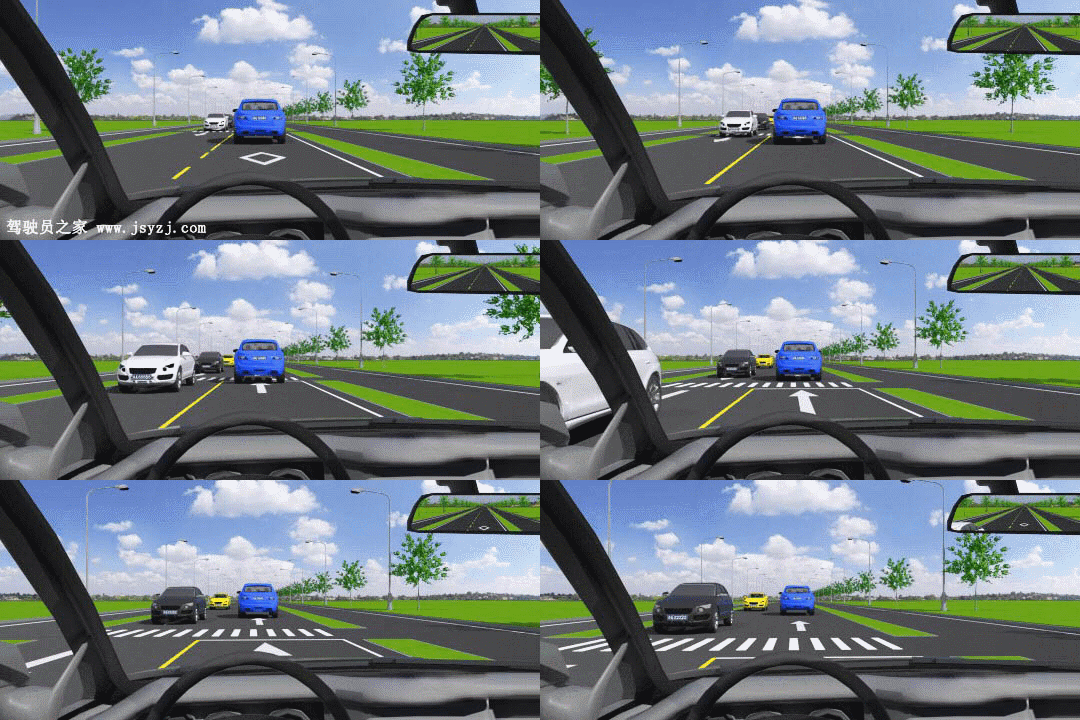
A. Speed up and pass rapidly
B. Stop immediately
C. Sound the horn to indicate the pedestrians to yield
D. Observe the movement of pedestrians and non-motor vehicles before passing
Answer: D
2. Turning on the high-beam is an effective way to improve visibility in fog weather.
A. Right
B. Wrong
Answer: B
3. The sign on the right indicates notice by sounding the horn.
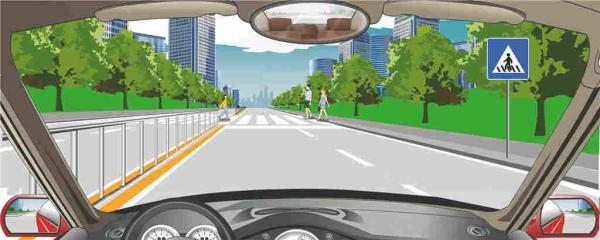
A. Right
B. Wrong
Answer: B
4. When an erosive material catches fire, it should not be put out with water cannon.
A. Right
B. Wrong
Answer: A
5. The sign on the left warns of no passing on the right-hand road ahead.
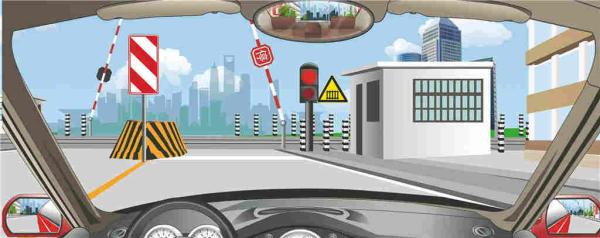
A. Right
B. Wrong
Answer: B
6. Mr. Hao drove a heavy dump truck with 84.84 tons of cargo (truck allowing for 15.58 tons). When he drove on the No 262 provincial highway in Luanxian County, at the spot of 34 kilometers mark by 623 meters, his truck overturned onto the sideway after a rear-end collision with another truck in front carrying 45.85 tons of cargo(a truck allowing for 1.71 tons). As a result of this accident, 19 people were killed and 17 injured. What is the common illegal act of the two drivers?
A. Speeding
B. Overloaded
C. Fatigued driving
D. Driving after drinking
Answer: B
7. What action is important on this kind of mountain road?
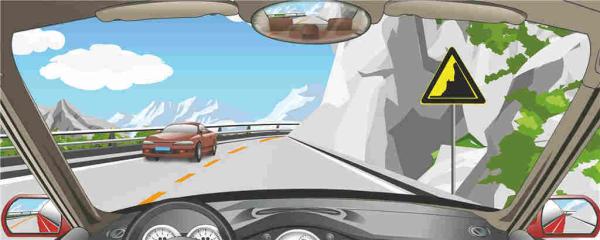
A. Take care of the dangerous hillside road on the left
B. Drive on the left
C. Drive along the central line of the road
D. Drive on the right side and pass slowly
Answer: D
8. If a driver finds there is no vehicle behind, he may change lanes without turning on the indicator.
A. Right
B. Wrong
Answer: B
9. In which ones of the following ways can motor vehicle drivers effectively prevent braking failure?
A. Maintaining the braking system periodically
B. Checking the free brake pedal travel before driving
C. Using the braking system correctly to avoid brake-fade
D. For vehicles with hydraulic braking system, checking if the brake fluid leaks before driving
Answer: ABCD
10. When the wounded person is suffering main artery bleeding, where should the rescue personnel press by thumb to stop the bleeding?
A. The artery near the heart
B. The artery lower to the wound
C. The artery further from the heart
D. The artery in the center of the wound
Answer: A
11. Mr. Tong drove a large bus (capacity 55 people and carrying 54) to Taiyuan City. When he drove on a muddy road at the speed of 45 kilometers per hour, the bus skidded into a deep ditch, killing 14 people dead and badly injuring 40 What is the main illegal act committed by Mr. Tong?
A. Overloaded
B. Speeding
C. Driving after drinking
D. Fatigued driving
Answer: B
12. When driving on a muddy road, what should the driver do?
A. Try to avoid using the foot brake
B. Drive slowly in mid or low gear
C. Firmly hold the steering wheel
D. Speed up and pass through
Answer: ABC
13. When a motor vehicle breaks down and cannot be moved away from the expressway, the driver and all passengers should stay in the vehicle and wait for the rescue personnel.
A. Right
B. Wrong
Answer: B
14. The sign on the right warns of an unguarded railway crossing 150 meters ahead.
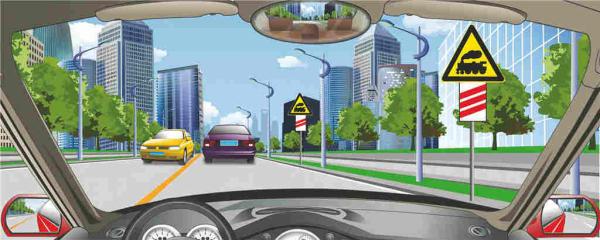
A. Right
B. Wrong
Answer: A
15. When there is bleeding at the bone fracture of a wounded person, the first thing to do is to fix the wounded part in position, then stop the bleeding and dress the wound.
A. Right
B. Wrong
Answer: B
16. The sign on the right side indicates that turning left is not permitted at the intersection ahead.
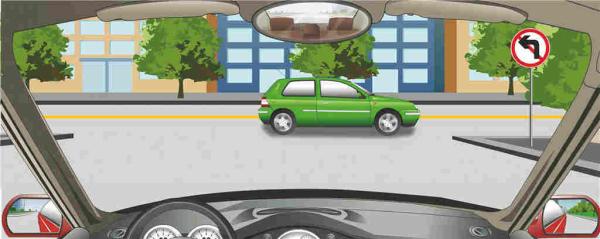
A. Right
B. Wrong
Answer: A
17. The sign on the left indicates no U-turn at the intersection ahead.

A. Right
B. Wrong
Answer: A
18. When a motor vehicle passes over an inundated road, what should the driver do for safe driving?
A. Slow down and drive with special care
B. Speed up and pass rapidly
C. Maintain a normal speed and pass through
D. Change to a low gear and speed up to pass
Answer: A
19. The sign on the right warns of a widened right-hand road ahead.
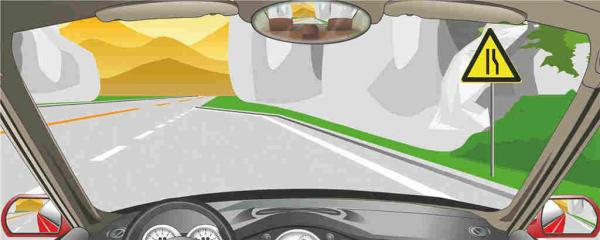
A. Right
B. Wrong
Answer: B
20. As shown in this picture, before driving to the intersection, vehicles are not allowed to change lanes by crossing the solid white line.
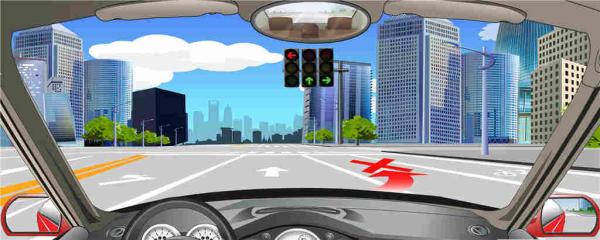
A. Right
B. Wrong
Answer: A