

1. When driving in a heavy rain, drivers should contro their speed to prevent their vehicles from sliding.
A. Right
B. Wrong
Answer: A
2. This road marker indicates that the minimum speed for this road section is 60 km/hour.
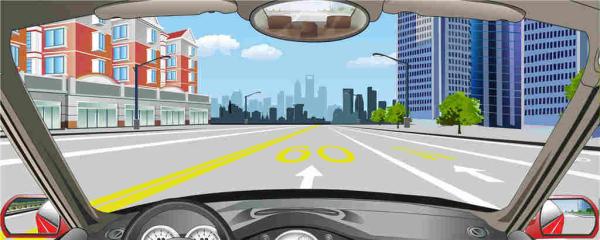
A. Right
B. Wrong
Answer: B
3. Which one of the following is the safest way when driving a motor vehicle on this kind of road surface?
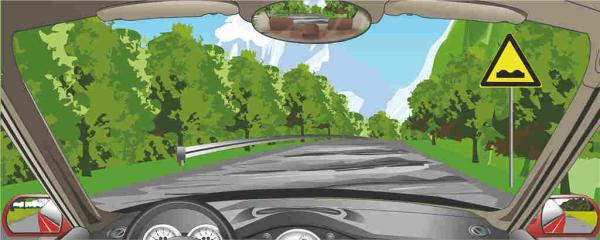
A. Slide over by using neutral gear
B. Pass with a high speed
C. Pass by speeding up
D. Pass with a low speed
Answer: D
4. When driving on an expressway, where should the driver park?
A. The service area
B. The acceleration lane
C. The deceleration lane
D. On the ramp
Answer: A
5. When going straight or turning right, drivers are not allowed to drive on or across the guide lines on both sides of the intersection.
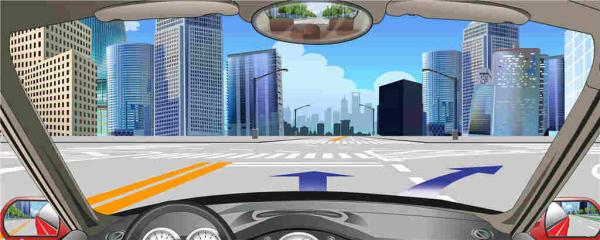
A. Right
B. Wrong
Answer: A
6. When finding a tire burst on the road, the driver should gently depress the brake pedal, reduce speed and stop the vehicle slowly.
A. Right
B. Wrong
Answer: A
7. The sign on the right indicates a one-kilometer distance from ETC toll station ahead.
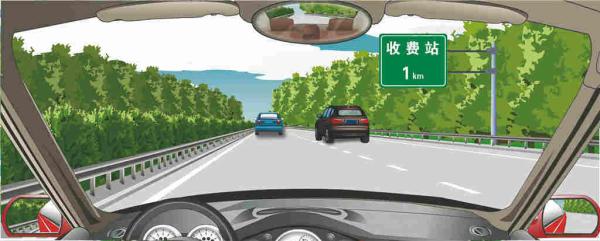
A. Right
B. Wrong
Answer: B
8. When rescuing a wounded person suffering from spinal fracture, which of the following measures should be taken?
A. Prevent heat loss
B. Rescue the wounded person with a soft stretcher
C. Keep the wounded part in position with a sling
D. Help the wounded person when walking
Answer: C
9. The broken yellow line in the center of the road indicates that bypassing by crossing the line is prohibited in any condition.
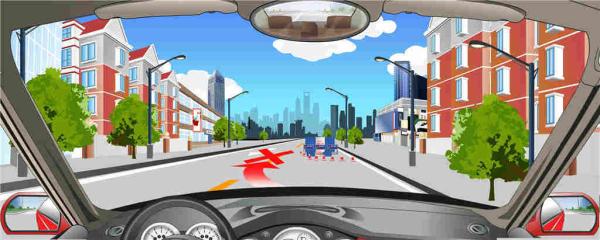
A. Right
B. Wrong
Answer: B
10. If a motor vehicle deviates from the straight direction due to steering failure, what should be done by the driver in order to reduce speed and stop the vehicle as soon as possible?
A. Gently depressing the brake pedal
B. Pulling up the handbrake
C. Immediately changing to a low gear to reduce speed
D. Decisively and continuously depressing and releasing the brake pedal
Answer: D
11. As shown in this picture, the intersection guide line is designed to help drivers make turns.
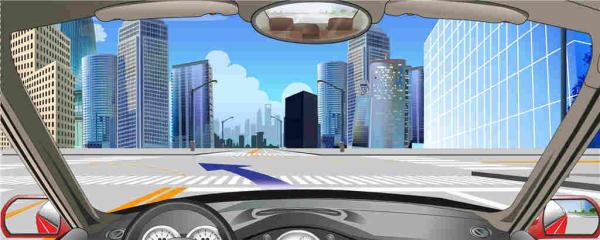
A. Right
B. Wrong
Answer: A
12. Which of the following acts are prohibited when passing through a tunnel?
A. Overtaking
B. Stopping
C. Making a U-turn
D. Reversing
Answer: ABCD
13. Motor vehicles are permitted to move to the right lane at this intersection.
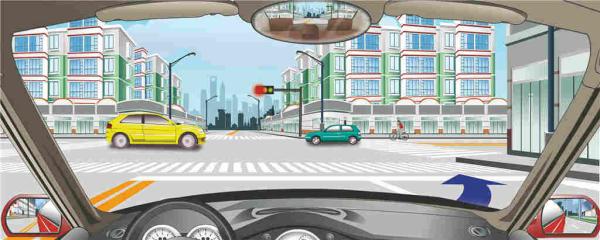
A. Right
B. Wrong
Answer: B
14. The sign on the right side warns of a sharp right turn ahead.
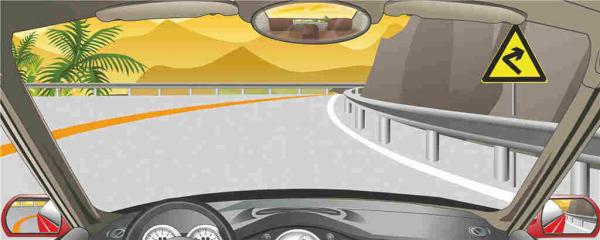
A. Right
B. Wrong
Answer: A
15. What is the intersection ahead indicated by the right sign?
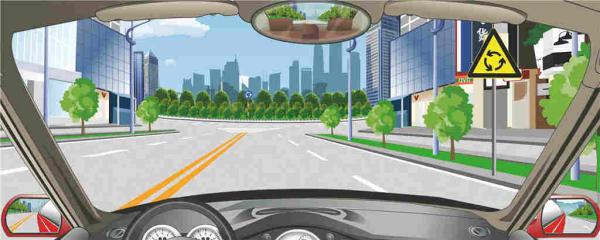
A. T-shaped intersection
B. Y-shaped intersection
C. Cross-shaped intersection
D. Roundabout
Answer: D
16. What should be given attention when setting off in this weather?
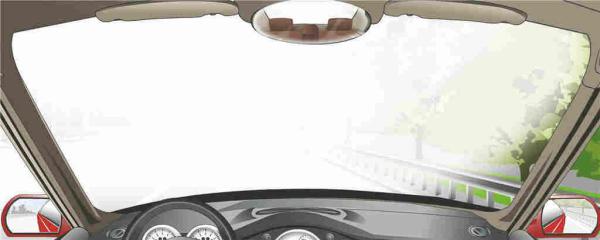
A. Turning on the high-beam
B. Turning on the front and rear fog lamps
C. Turning on the left indicator only
D. Continuously sounding the horn
Answer: B
17. The sign on the right warns of a dangerous mountainside road on the left of the road ahead.
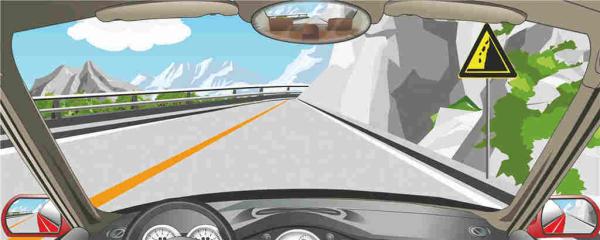
A. Right
B. Wrong
Answer: B
18. The sign on the right indicates a 200-meter distance from the gas station ahead.
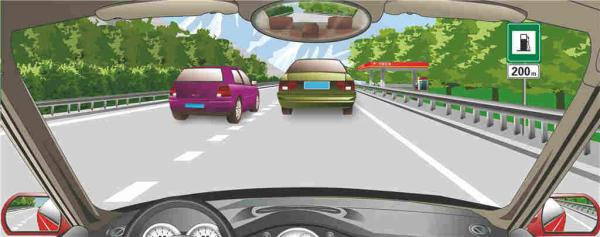
A. Right
B. Wrong
Answer: A
19. What should motor vehicle drivers do under the circumstances shown in the flash?
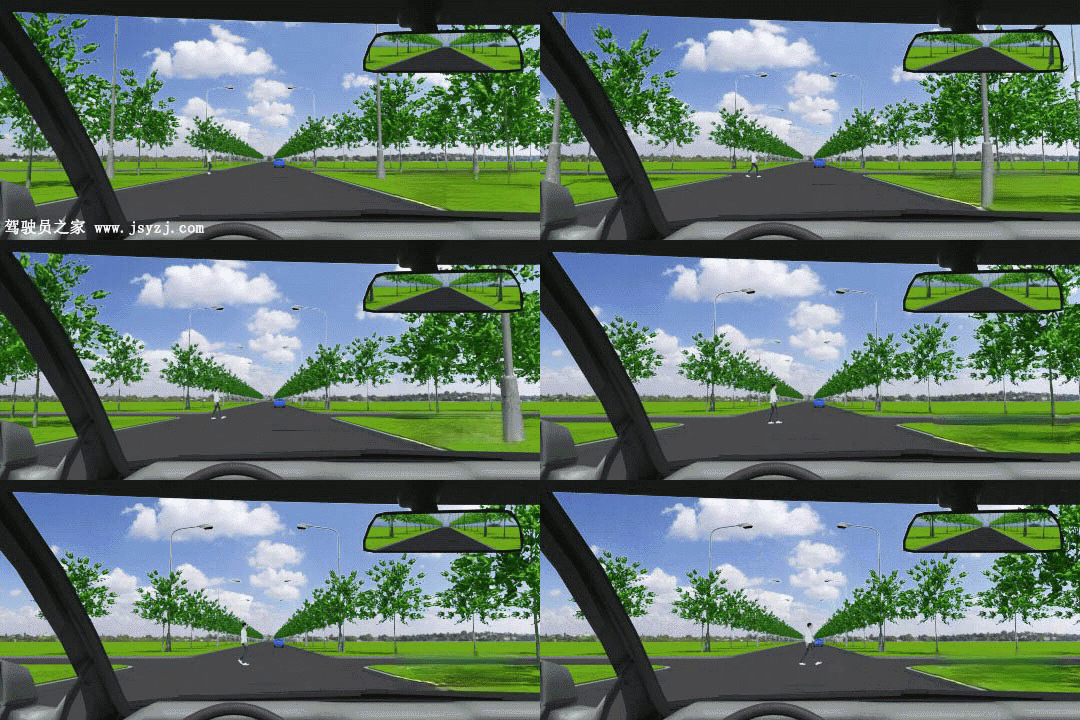
A. Reduce speed or stop to yield
B. Sound the horn to warn the pedestrians to yield
C. Pass before the pedestrians
D. Immediately change to another lane to bypass the pedestrians
Answer: A
20. The driver should pay attention to the left side when the motor vehicle passes this intersection.
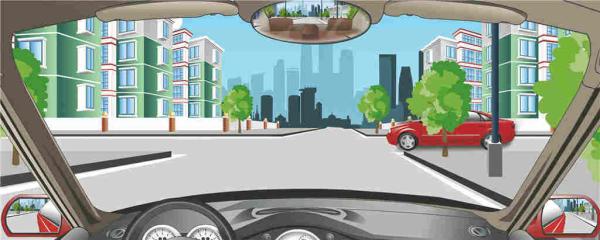
A. Right
B. Wrong
Answer: B