

1. Whats the meaning of this sign?
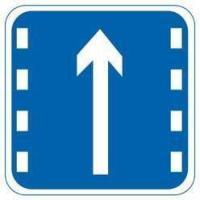
A. right-turn lane
B. U turn lane
C. left-turn lane
D. straight-going lane
Answer: D
2. When a vehicle approaches an intersection without crosswalk, the driver should _______ if he finds people are crossing the street.
A. Reduce speed or stop to yield
B. Honk to indicate them to yield
C. Immediately change lane and bypass the pedestrians
D. Pass before the pedestrians
Answer: A
3. Whats the meaning of this sign?

A. a manned level crossing 50m ahead
B. an unmanned level crossing 100m ahead
C. a manned level crossing 100m ahead
D. an unmanned level crossing 50m ahead
Answer: B
4. It is illegal for a driver to use a cell phone while driving.
A. Right
B. Wrong
Answer: A
5. When a vehicle approaches a crosswalk, the driver should ________.
A. Speed up and pass
B. Stop immediately
C. Honk to indicate the pedestrians to yield
D. Observe the movement of pedestrians and non-motorized vehicles, make sure it is safe before passing
Answer: D
6. When a vehicle approaches a bus stopping at a bus stop, the driver should ______ in case the bus starts up suddenly or pedestrians cross in front of the bus.
A. Reduce speed, keep a sufficient distance and be ready to stop anytime
B. Maintain the normal speed
C. Honk to remind, speed up and pass
D. Be ready to apply emergency braking
Answer: A
7. When seeing a watch for children sign while driving, the driver should _______.
A. Speed up and pass
B. Bypass
C. Maintain the normal speed
D. Carefully select a speed
Answer: D
8. Whats the meaning of this sign?
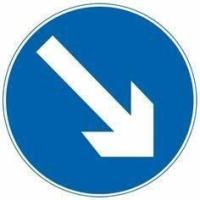
A. downhill section on right side
B. driving by the right side of the road
C. stopping by the right side of the road
D. right turn only
Answer: B
9. Driving a motorized vehicle on the road should be required to be with a license plate.
A. Right
B. Wrong
Answer: A
10. Whats the meaning of this sign?
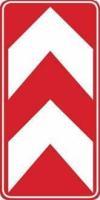
A. Passing on both sides
B. Passing is prohibited
C. Passing by the left side
D. Passing by the right side
Answer: A
11. Whats the meaning of this sign?
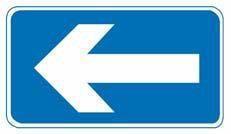
A. yield if going to turn left
B. straight one-way road
C. right one-way road
D. left one-way road
Answer: D
12. When a vehicle merges with the traffic flow, the driver should turn on the turn signal in advance, go straight, observe the traffic conditions on both sides through the rear-view mirror, and merge with the traffic flow if it is safe to do so.
A. Right
B. Wrong
Answer: A
13. How far should be the distance from the vehicle in front at the speed of more than 100 km/hr when driving a small passenger vehicle on the expressway?
A. more than 50 meters
B. more than 60 meters
C. more than 100 meters
D. more than 80 meters
Answer: C
14. A motorized vehicle driver who drives the vehicle which permission is different is subject to a ________.
A. 2-point penalty
B. 3-point penalty
C. 6-point penalty
D. 12-point penalty
Answer: D
15. Whats the meaning of this sign?
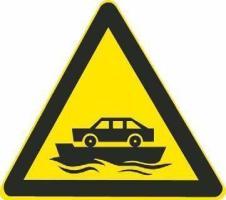
A. overflowing bridge
B. ferry
C. pier
D. overflowing road
Answer: B
16. May not turn on the turn signal when overtaking.
A. Right
B. Wrong
Answer: B
17. How to pass through the unmanned level crossing without traffic lights?
A. properly reduce speed to pass
B. slide over in the neutral gear
C. stop to make sure it is safe, then pass
D. speed up and pass as fast as possible
Answer: C
18. Whats the meaning of this sign?
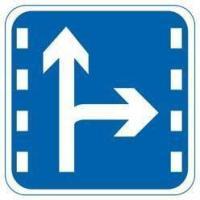
A. straight-going and left-turn lane
B. straight-going and side road exit lane
C. lane for both going straight and right turn
D. lanes for going in different directions
Answer: C
19. Whats the meaning of this sign?
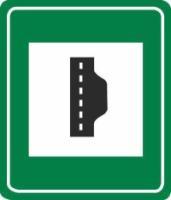
A. expressway emergency strip
B. expressway yielding area
C. expressway bus station
D. expressway parking area
Answer: A
20. The child in the motorized vehicle does not need to buckle up when the vehicle runs.
A. Right
B. Wrong
Answer: B