

1. The sign on the right warns of a hump bridge right ahead.
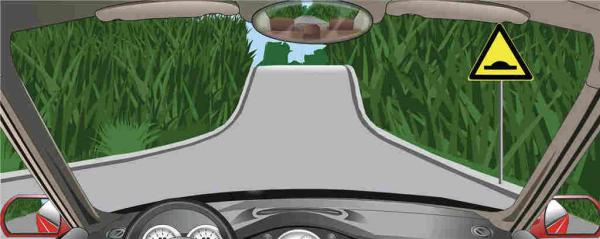
A. Right
B. Wrong
Answer: B
2. What should the driver do if he encounters pedestrians in this situation at an intersection?
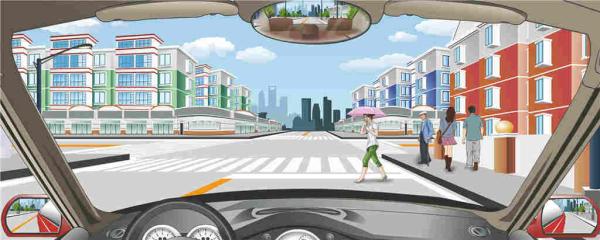
A. Slow down promptly and stop to yield
B. Sound the horn to warn the pedestrians to yield
C. Speed up and pass in front of the pedestrians
D. Turn on the headlamps to warn the pedestrians to yield
Answer: A
3. When encountering a vehicle in front ascending on a mountainous road covered with ice and snow, what should the motor vehicle driver do?
A. Ascend after the vehicle in front passes the slope
B. Overtake the vehicle in front swiftly and drive on
C. Overtake the vehicle in front with a slow speed and drive on
D. Follow the vehicle in front closely
Answer: A
4. When a motor vehicle encounters an accident on an expressway, the driver and all passengers should not get off the vehicle and walk around at will.
A. Right
B. Wrong
Answer: B
5. When driving onto the left lane, motor vehicle drivers are allowed to make a U-turn.
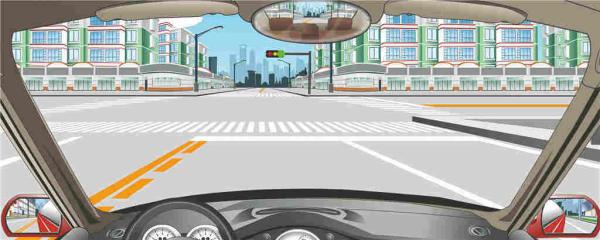
A. Right
B. Wrong
Answer: A
6. The sign in front is an advance announcement of the directions led by the interchange.
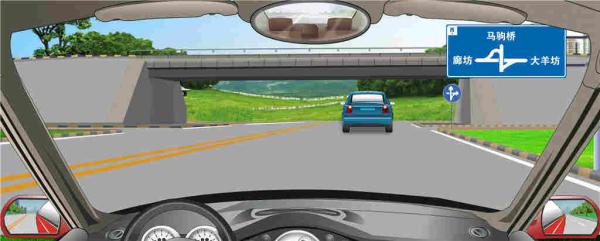
A. Right
B. Wrong
Answer: A
7. In rain, the most effective way to avoid the danger arising from water slide is to drive at high speed
A. Right
B. Wrong
Answer: B
8. When a motor vehicle equipped with ABS makes an emergency brake, the driver can tread the brake pedal heavily.
A. Right
B. Wrong
Answer: A
9. When a gas tanker is leaking heavily, which of the following measures is wrong?
A. Cut off the power
B. Wear gas mask and protect gloves
C. Turn off the valve to stop leaking
D. Evacuate people to the leeward side
Answer: D
10. Drivers may turn left when traffic police give these hand signals.
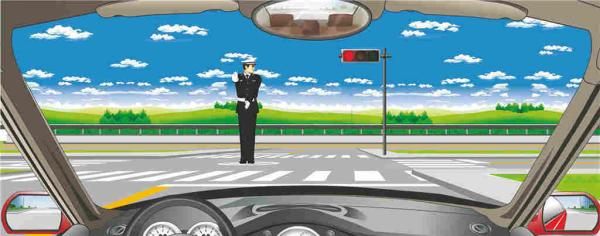
A. Right
B. Wrong
Answer: B
11. When rescuing a wounded person suffering blood loss in an emergency, it is necessary to first stop the bleeding by compression before other treatments are taken in accordance with the conditions of bleeding.
A. Right
B. Wrong
Answer: A
12. Motor vehicles on this kind of road are only allowed to overtake the vehicle in front from left.
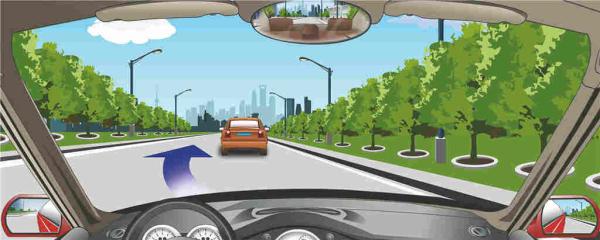
A. Right
B. Wrong
Answer: A
13. The sign on the right indicates the location of the highway emergency phone.
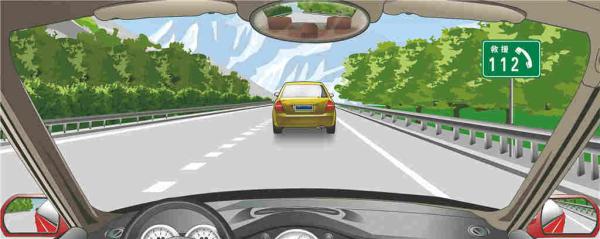
A. Right
B. Wrong
Answer: B
14. The driver should turn on the left-turn indicator after entering the acceleration lane on an expressway.
A. Right
B. Wrong
Answer: B
15. When a motor vehicle encounters a group of youngsters bypassing the motor vehicles parking beside the road, the driver should slow down voluntarily and yield.
A. Right
B. Wrong
Answer: A
16. A driver should speed up when passing through road sections with this traffic marking.

A. Right
B. Wrong
Answer: B
17. The sign on the right warns of no passing on either side of the road ahead.
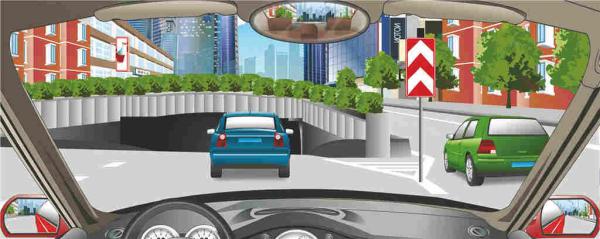
A. Right
B. Wrong
Answer: B
18. The sign in front indicates that the highway entry is on the right side of the road.
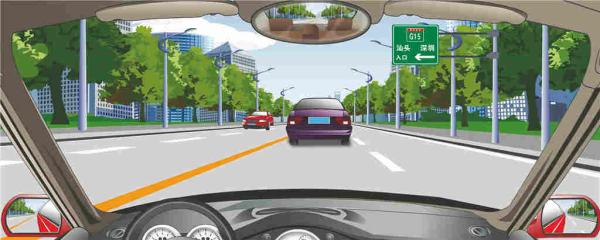
A. Right
B. Wrong
Answer: B
19. The sign on the right indicates that the vehicle should yield to the oncoming traffic as approaching each other.
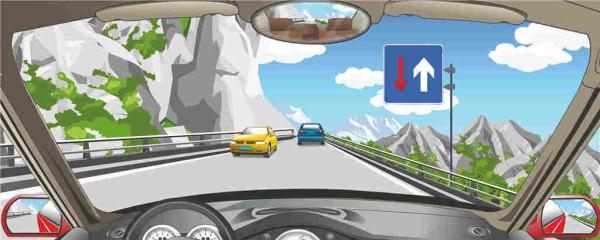
A. Right
B. Wrong
Answer: B
20. When a motor vehicle enters an expressway from the ramp, which of the following lamps should be turned on?
A. The left-turn indicator
B. The right-turn indicator
C. The hazard warning lamp
D. The headlamp
Answer: A