

1. Must reduce the frequency of honking in this section.

A. Right
B. Wrong
Answer: B
2. Whats the meaning of this sign?
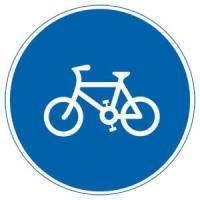
A. electric bicycles may go
B. parking space for non-motorized vehicles
C. parking area for non-motorized vehicles
D. non-motorized vehicles may go
Answer: D
3. Before a vehicle enters a curve of a mountain road, the driver ______ if there is no vehicle coming in the opposite direction.
A. Should reduce speed, honk and drive on the right side
B. Should drive along the outer side of the curve
C. May briefly borrow the opposite lane
D. May speed up and pass along the tangent line of the curve
Answer: A
4. When passing an intersection without traffic lights, the driver should go through as fast as possible.
A. Right
B. Wrong
Answer: B
5. Whats the meaning of this sign?
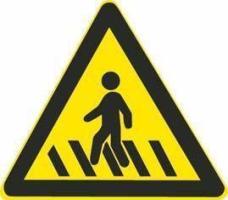
A. watch for pedestrians
B. watch for children
C. school area
D. crosswalk
Answer: A
6. Whats the meaning of this sign?

A. landslide section
B. construction section
C. factory ahead
D. jammed road
Answer: B
7. Whats the meaning of this sign?
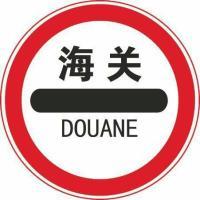
A. national boundaries
B. border defense
C. boundaries
D. customs
Answer: D
8. The validity of the driving license which is initially applied for is 6 years.
A. Right
B. Wrong
Answer: A
9. This sign indicates indoor car park here.
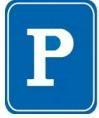
A. Right
B. Wrong
Answer: B
10. What marking is the two white broken lines in the circle?

A. stop lines at crossroad
B. left-turn waiting areas
C. U turn guide lines
D. small vehicles turning lines
Answer: B
11. The three principles for careful driving are concentration, careful observation and early prevention.
A. Right
B. Wrong
Answer: A
12. When the motor vehicle installed ABS system applys emergency braking, the driver can depress the brake pedal heavily.
A. Right
B. Wrong
Answer: A
13. Continue to go through if having passed the stop line when encountering this traffic light at the intersection.
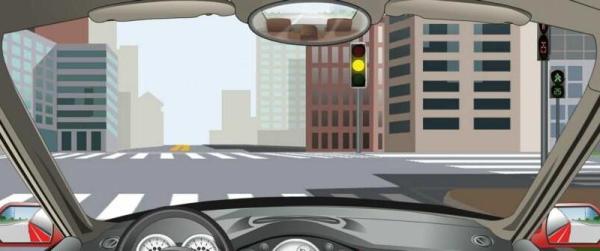
A. Right
B. Wrong
Answer: A
14. When discovering traffic congestion ahead while driving, the driver should ________.
A. Find a chance to overtake the vehicle in front
B. Weave through other vehicles
C. Reduce speed, stop and wait in line
D. Honk to urge other vehicles
Answer: C
15. It lights to indicate that ______

A. windscreen wash lacks
B. braking oil lacks
C. cooling system malfunction
D. coolant lacks
Answer: D
16. No turning right when encountering this traffic light at the intersection.

A. Right
B. Wrong
Answer: B
17. Whats the meaning of this sign?
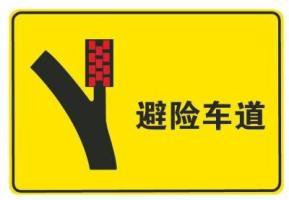
A. danger-avoiding lane
B. emergency lane
C. road shoulder
D. sharp curve
Answer: A
18. How to use lights when changing to the left lane on road?
A. turn on the right-turn signal in advance
B. not need to turn on any turn signal
C. turn on the left-turn signal in advance
D. turn on the low beam lights in advance
Answer: C
19. A driver who drives an illegally assembled motorized vehicle is subject to ______ .
A. being held for criminal liabilities according to law
B. a fine of 200 yuan ~ 2,000 yuan
C. being revoked the vehicle license
D. being detained for less than 15 days
Answer: B
20. This sign warns the driver there is a crosswalk ahead.
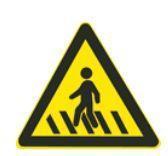
A. Right
B. Wrong
Answer: B