

1. Whats the meaning of this guide arrow?
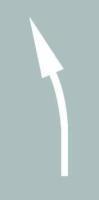
A. left curve or need to merge with the left flow ahead
B. right curve or need to merge with the right flow ahead
C. merge with the left flow due to right side obstacle ahead
D. left curve or need to bypass from left side ahead
Answer: A
2. Let the straight-going vehicle go first at this intersection.
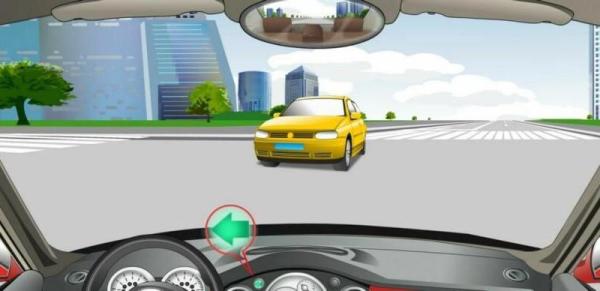
A. Right
B. Wrong
Answer: A
3. Before a vehicle enters a curve of a mountain road, the driver ______ if there is no vehicle coming in the opposite direction.
A. Should reduce speed, honk and drive on the right side
B. Should drive along the outer side of the curve
C. May briefly borrow the opposite lane
D. May speed up and pass along the tangent line of the curve
Answer: A
4. This sign reminds overflowing road or overflowing bridge ahead.
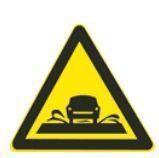
A. Right
B. Wrong
Answer: A
5. A Social vehicle is not allowed to stop in the section 30 meters to the fire hydrant or the fire brigade (station).
A. Right
B. Wrong
Answer: A
6. When passing an unmanned level crossing, the driver should ________.
A. Speed up and pass
B. Reduce speed and pass
C. Maintain the speed and pass
D. Stop, look and pass
Answer: D
7. When passing through an inundated road, the driver should ________.
A. Reduce speed and go slowly
B. Maintain the normal speed and pass
C. slide over in the neutral gear
D. Speed up and pass
Answer: A
8. Whats the meaning of this sign?

A. no going straight and no changing to left lane
B. no going straight and no left turn
C. allowed to go straight and turn left
D. no going straight and no right turn
Answer: B
9. The wrong measure to avoid tire blowout is to _________.
A. Reduce tire pressure
B. Check the tires regularly
C. Remove objects from tire tread grooves in a timely manner
D. Replace the tire that has cracks or deep cuts
Answer: A
10. When running on the road having maximum speed limit signs, the motorized vehicle is not allowed to exceed the marked maximum speed.
A. Right
B. Wrong
Answer: A
11. A motorized vehicle driver who has not yielded to the school bus according to stipulations is subject to a 6-point penalty.
A. Right
B. Wrong
Answer: A
12. Whats the meaning of the marking in the red circle?
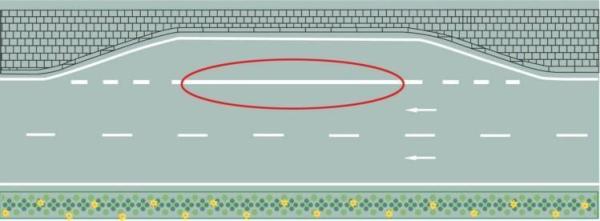
A. temporary stopping
B. bay-stopping
C. emergency stopping
D. public bus station
Answer: B
13. It lights to indicate that the generator is charging to the batteries.

A. Right
B. Wrong
Answer: B
14. This set of the hand signals of the traffic police indicates that the vehicles should ___ .
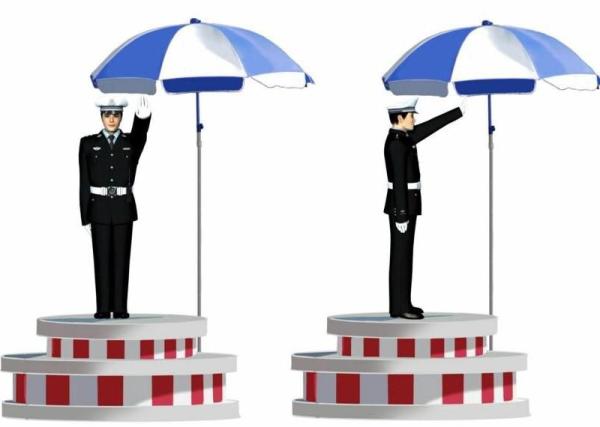
A. turn right
B. pull over
C. turn left
D. stop
Answer: D
15. What does this sign mean?
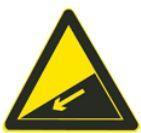
A. Reminding the side of a reservoir, lake or river ahead
B. Reminding the steep uphill road ahead
C. Reminding the steep downhill road ahead
D. Reminding continuous two or more up slopes ahead
Answer: C
16. Whats the meaning of this sign?
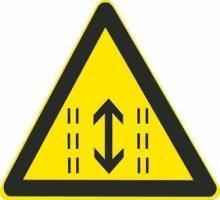
A. watch for two-way road
B. driving by either side of the road
C. watch for variable lane
D. variable lane
Answer: C
17. No turning left in this situation.
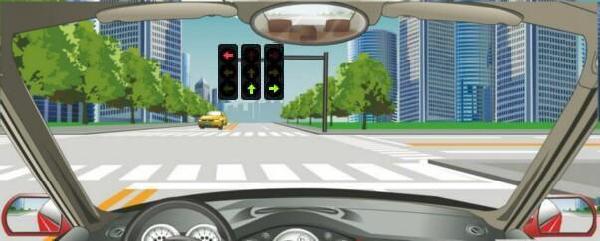
A. Right
B. Wrong
Answer: A
18. The hazard lights can be used when ________
A. encountering traffic congestion
B. following a vehicle on road
C. the vehicle breaks down and stops
D. leading the vehicle behind
Answer: C
19. When a vehicle is being overtaken by another vehicle, the driver should _____.
A. Run by the central line of the road
B. Speed up and yield
C. Continue to speed up and run
D. Reduce speed and run on the right side
Answer: D
20. In this case, by the right side of the bus lane to overtake.
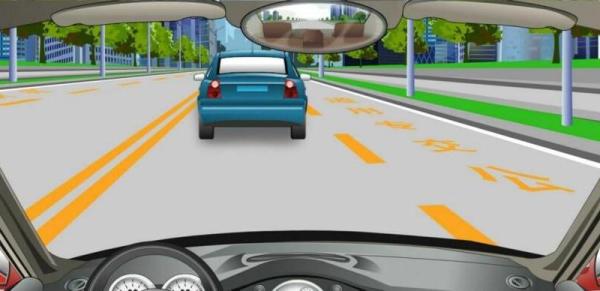
A. Right
B. Wrong
Answer: B