

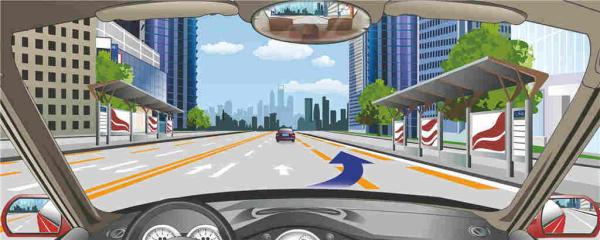
1. In this situation, motor vehicles are permitted to stop temporarily at bus stations.
A. Right
B. Wrong
Answer: B
2. When the vehicle engine catches fire, what should the driver do first?
A. Turn off the engine as soon as possible
B. Extinguish the fire with water
C. Open the hood to extinguish the fire
D. Extinguish the fire from the leeward direction
Answer: A
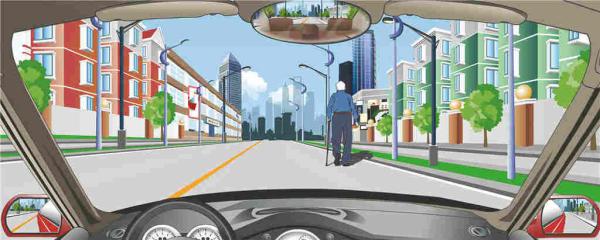
3. When encountering such pedestrians, motor vehicle drivers may continuously sound the horn to alert them to yield.
A. Right
B. Wrong
Answer: B
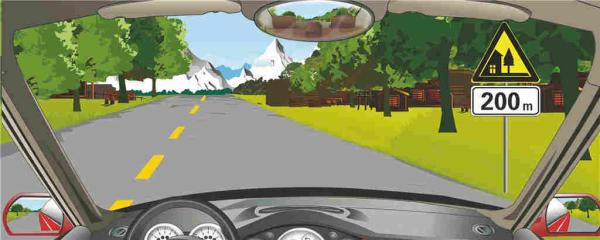
4. The sign on the right warns of a village 200 meters ahead.
A. Right
B. Wrong
Answer: A
5. When driving on an expressway, which of the following statements is correct?
A. Drivers may overtake on either the ramp, the acceleration lane or the deceleration lane
B. Drivers are prohibited from reversing, driving in the opposite direction or making a U turn by crossing the central dividing strip
C. Drivers may drive on the emergency lane in a non-emergency case
D. Drivers may test a motor vehicle or learn to drive
Answer: B
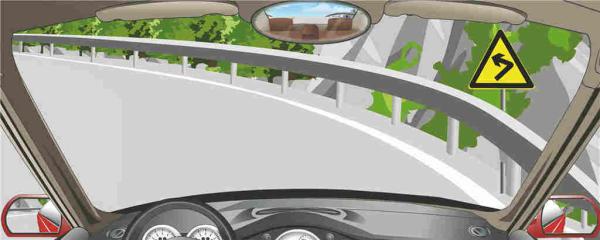
6. What should the driver do on this kind of curving mountain road?
A. Borrow the opposite lane
B. Slow down and drive on the right
C. Stick to the central line of the road
D. Drive close to the right side
Answer: B
7. When a motor vehicle moves through water, drivers should intermittently and gently depress the brake pedal in order to restore braking efficiency.
A. Right
B. Wrong
Answer: A
8. At this moment, the driver may speed up and pass the intersection rapidly.

A. Right
B. Wrong
Answer: B
9. The sign on the left indicates U-turn is allowed here.
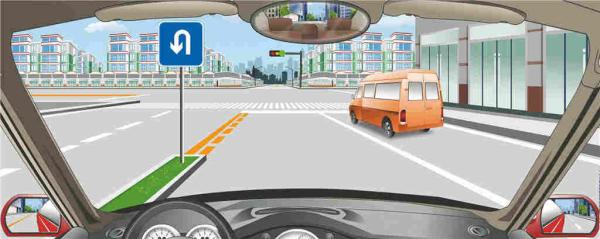
A. Right
B. Wrong
Answer: A
10. When a bicycle borrows the motor vehicle lane, the motor vehicle may sound the horn hurriedly to warn the bicycle to yield.
A. Right
B. Wrong
Answer: B
11. The sign on the right warns of a winding road to the left ahead.
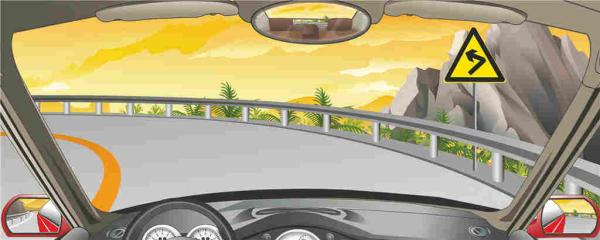
A. Right
B. Wrong
Answer: B
12. Drivers may turn left when seeing these hand signals.
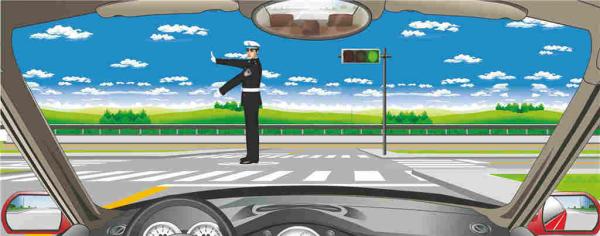
A. Right
B. Wrong
Answer: A
13. It is correct for the driver to drive on an expressway in the way shown in the flash.
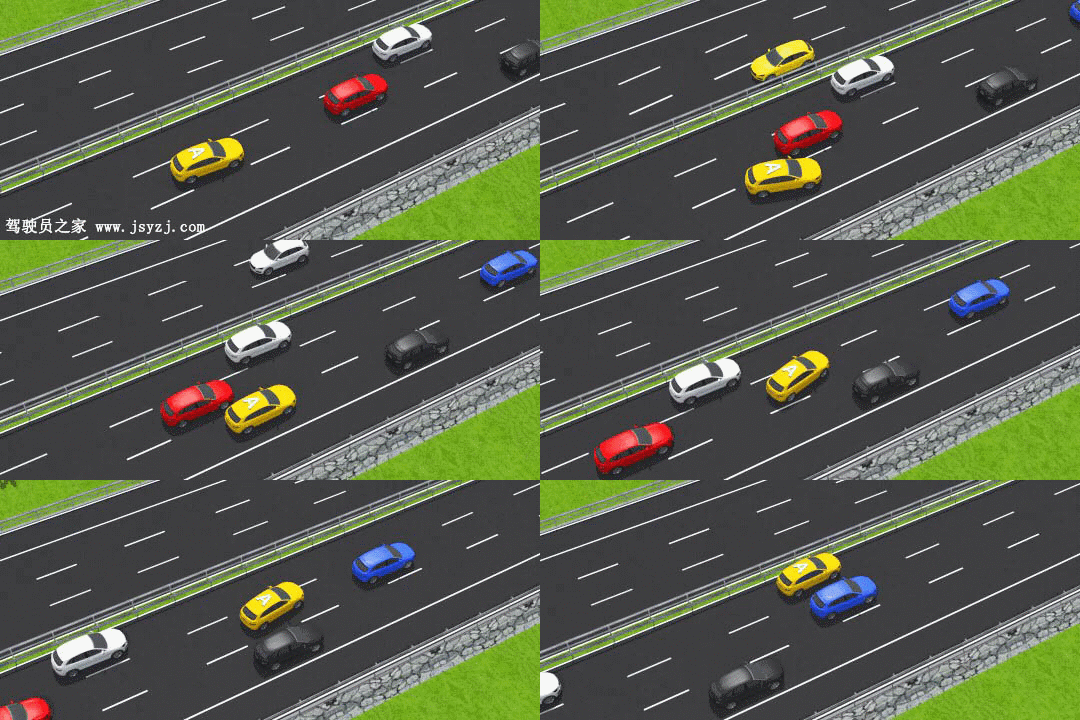
A. Right
B. Wrong
Answer: B
14. What is the meaning of the sign on the right?
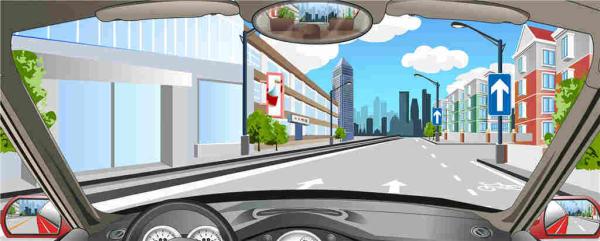
A. Drive on the right side of the road ahead
B. No entry ahead
C. One-way road ahead
D. Watch for the right-hand intersection ahead
Answer: C
15. When a motor vehicle has deviated from the straight moving direction and an accident is unavoidable, the driver should decisively and continuously depress the brake pedal so as to shorten the stopping distance and reduce the impact of vehicle collision.
A. Right
B. Wrong
Answer: A
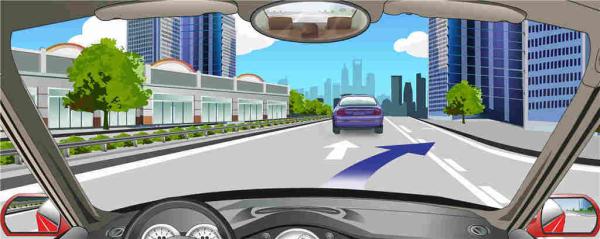
16. The broken and solid white line on the road indicates that crossing is allowed on the solid line side.
A. Right
B. Wrong
Answer: B
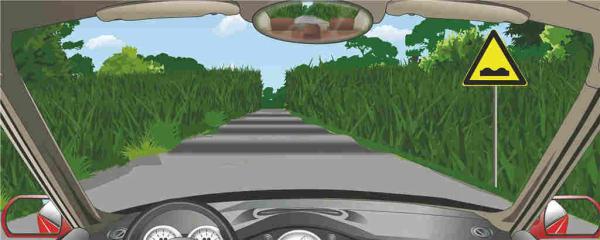
17. The sign on the right warns of an uneven road ahead.
A. Right
B. Wrong
Answer: A
18. When following other vehicles on the uphill section of a mountain road, what should the driver do if the vehicle in front stops?
A. Overtake from either side of the front vehicle
B. Stop close to the vehicle in front
C. Stop with a larger space from the vehicle in front
D. Sound the horn continuously to warn the other driver
Answer: C
19. It is an illegal act for the driver to make calls while driving.
A. Right
B. Wrong
Answer: A
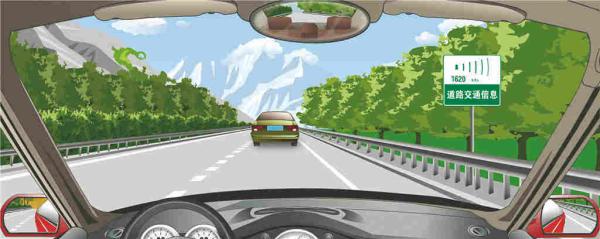
20. This sign indicates the traffic broadcast and radio television channel of highway.
A. Right
B. Wrong
Answer: B