

1. If a fast-moving motor vehicle has a steering failure, using emergency braking will not cause an overturn.
A. Right
B. Wrong
Answer: B
2. When there is a braking failure, the driver should first control the direction and then try to control the speed.
A. Right
B. Wrong
Answer: A
3. As shown in the flash, the driver?ˉs act is correct.
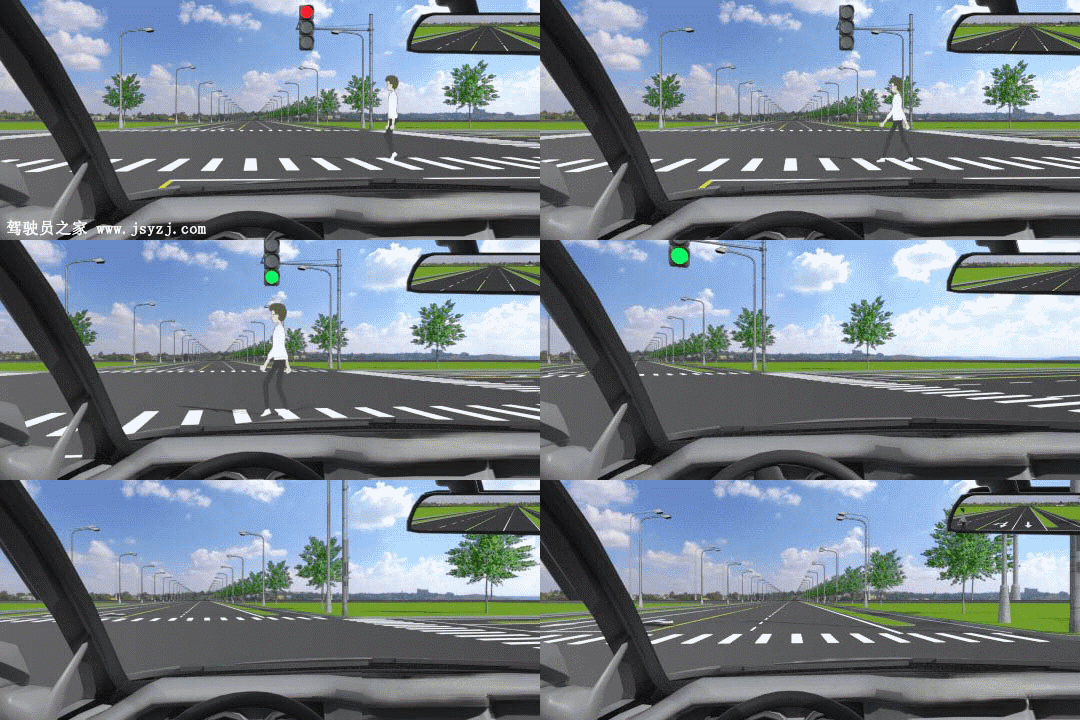
A. Right
B. Wrong
Answer: B
4. Having driven his truck at 90km/hour on an urban road without road lamps, Mr. Zhou is passing a narrow road using the high-beam and cutting off the way of an oncoming passenger car that runs into the right guardrail as a consequence. Which of the following law-breaking acts did Mr. Zhou commit?
A. Speeding
B. Approaching a vehicle not in accordance with related regulations and rules
C. Fatigued driving
D. Using lamps not in accordance with related regulations and rules
Answer: ABD
5. Under such circumstances, motor vehicle drivers should follow the vehicle in front and drive into the Intersection to wait.
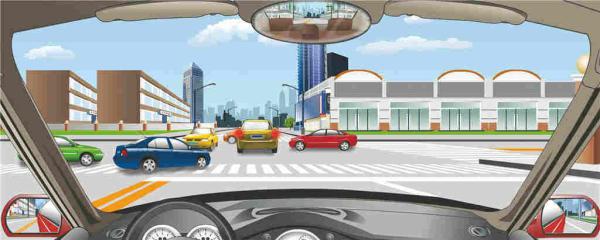
A. Right
B. Wrong
Answer: B
6. Which of the following measures is incorrect when a motor vehicle stops?
A. Stop at a stipulated place
B. Avoid stopping on pedestrian streets
C. Avoid obstructing the passing of other motor vehicles and pedestrians when temporarily stops on the road
D. Stop on the non-motor vehicle lane
Answer: D
7. When encountering a road like this, motor vehicle drivers should downshift in advance and control speed by braking the engine.
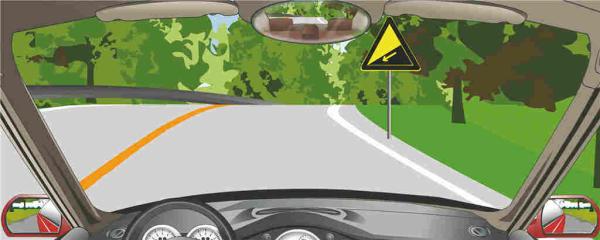
A. Right
B. Wrong
Answer: A
8. Motor vehicle drivers may make a U-turn in this area as long as it will not affect the passing of pedestrians.
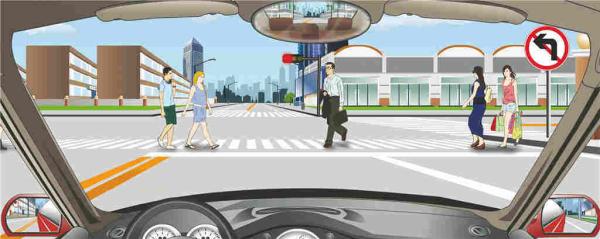
A. Right
B. Wrong
Answer: B
9. As shown in this picture, the vehicles intending to turn left are allowed to drive into the left-turn waiting area directly to wait for the green light.
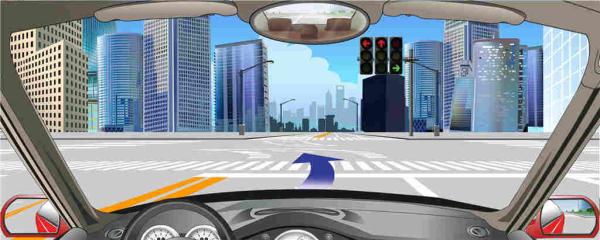
A. Right
B. Wrong
Answer: B
10. The motor vehicle may promptly overtake the vehicle in front from the left side in this situation.
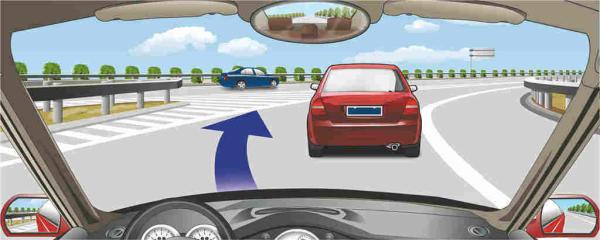
A. Right
B. Wrong
Answer: B
11. When parking temporarily in this situation, motor vehicle drivers are allowed to turn the steering wheel left to avoid sliding.

A. Right
B. Wrong
Answer: A
12. When rescuing a wounded person suffering blood loss in an emergency, it is necessary to first stop the bleeding by compression before other treatments are taken in accordance with the conditions of bleeding.
A. Right
B. Wrong
Answer: A
13. When overtaking on a rainy day, drivers should turn on headlamps and sound a long horn.
A. Right
B. Wrong
Answer: B
14. What should be done by drivers in order to safely pass through the curve in this condition?

A. Reduce speed and drive on the right side
B. Drive on the central line of the road
C. Drive on the outer side of the curve
D. Drive by borrowing the opposite lane
Answer: A
15. Having driven a medium passenger vehicle (carrying 27 passengers) to the southern end of Qianling Village of Sidu Town, Mr. Xu drove upslope but the vehicle slid backward and dropped from an 80-meter cliff, killing 11 people and injuring 7. Which of the following law-breaking acts did Mr. Xu commit?
A. Fatigued driving
B. Drunk driving
C. Exceeding the carrying capacity of the passenger vehicle
D. Speeding
Answer: C
16. Motor vehicles are not allowed to stop in this area for a long time.
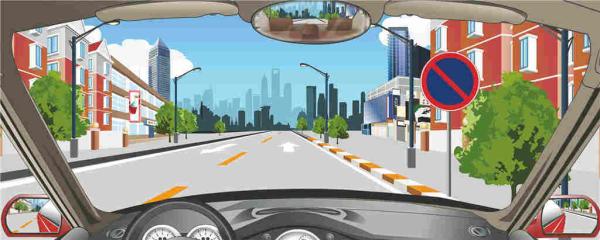
A. Right
B. Wrong
Answer: A
17. The sign in front is an advance announcement of the directions led by the interchange.
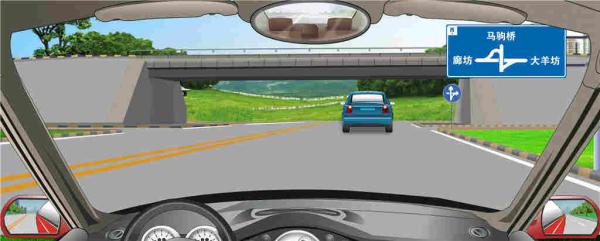
A. Right
B. Wrong
Answer: A
18. If a motor vehicle breaks down or causes a traffic accident on the expressway and cannot run normally the vehicle may be towed by any accompanying motor vehicles.
A. Right
B. Wrong
Answer: B
19. How to pass the intersection when running straight
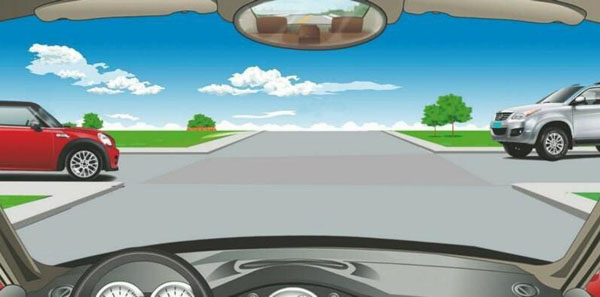
A. turn on the hazard lights and pass
B. directly speed up and pass straight
C. yield to the vehicle from the right road
D. yield to the vehicle from the left road
Answer: C
20. When steering failure happens to a fast moving motor vehicle, what should the driver do?
A. Apply emergency braking
B. Immediately change to a low gear
C. Reasonably use the driving brake and the stopping brake and refrain from applying emergency braking
D. Turn on the hazard lamps
Answer: BCD