

1. In such circumstances, which one of the following statements is the safest measure for a motor vehicle driver to take?
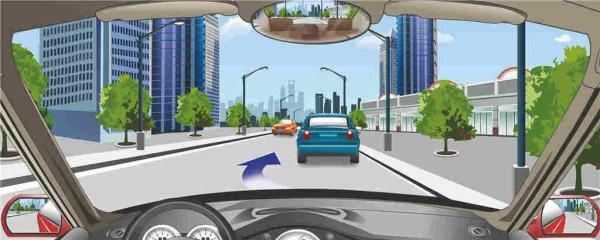
A. Accelerate to overtake the vehicle in front as soon as possible
B. Voluntarily reduce speed and refrain from overtaking
C. Sound the horn to warn the vehicle in front to yield
D. Turn on the headlamp to warn the oncoming vehicle to yield
Answer: B
2. Which one of the following is the safest way when driving a motor vehicle on this road?
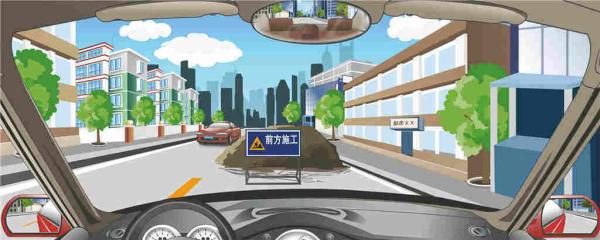
A. Speed up and bypass the obstacle
B. Take the opposite lane and compel the other vehicle to yield
C. Stop and yield to the oncoming vehicle
D. Sound the horn or turn on the headlamp
Answer: C
3. The sign on the right indicates a bypass route at the intersection ahead.
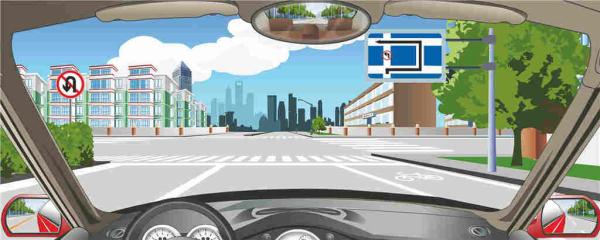
A. Right
B. Wrong
Answer: A
4. The sign on the right indicates that turning right is not permitted at the intersection ahead.

A. Right
B. Wrong
Answer: A
5. What is the meaning of the sign on the right?
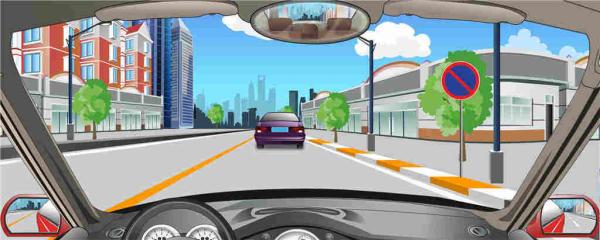
A. Long-time parking permitted
B. Temporary parking permitted
C. Long waiting for passengers permitted
D. No parking
Answer: B
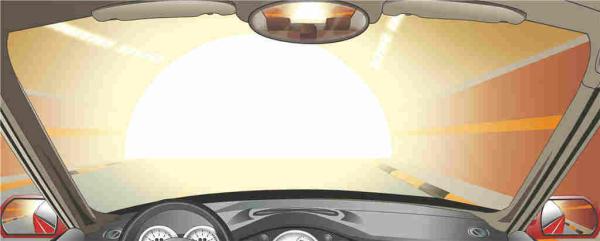
6. When a motor vehicle approaches the exit of a tunnel the driver should firmly hold the steering wheel to prevent any harmful effects of a strong side wind.
A. Right
B. Wrong
Answer: A
7. The driver should turn on the left-turn indicator after entering the acceleration lane on an expressway.
A. Right
B. Wrong
Answer: B
8. The driver should take emergency evasion measures when the motor vehicle suddenly self-ignites. Which ones of the following methods are correct?
A. Spray clean water to extinguish the fire
B. Report to the police
C. Use the spare fire extinguisher in the vehicle to put out the fire
D. Set up a warning sign in the oncoming direction
Answer: BCD
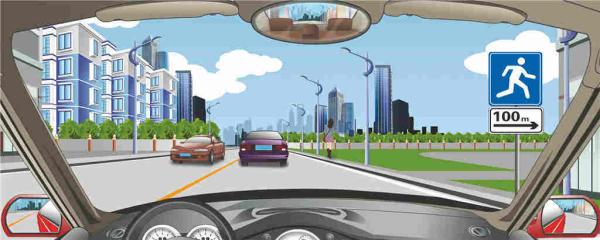
9. The sign on the right indicates an emergency shield 100 meters ahead.
A. Right
B. Wrong
Answer: A
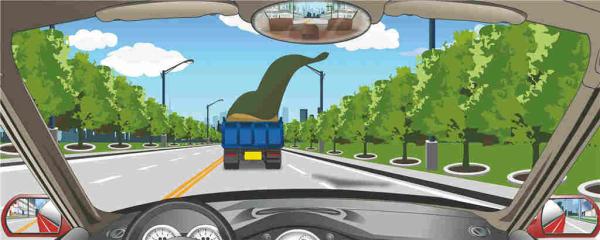
10. Under such circumstances, what should motor vehicle drivers do?
A. Follow the vehicle closely
B. Overtake the vehicle quickly on its left
C. Keep a long braking distance
D. Overtake the vehicle quickly on its right
Answer: C
11. When driving on a muddy road, what should the driver do?
A. Try to avoid using the foot brake
B. Drive slowly in mid or low gear
C. Firmly hold the steering wheel
D. Speed up and pass through
Answer: ABC
12. As shown in the flash, what should the motor vehicle driver do when encountering this situation?
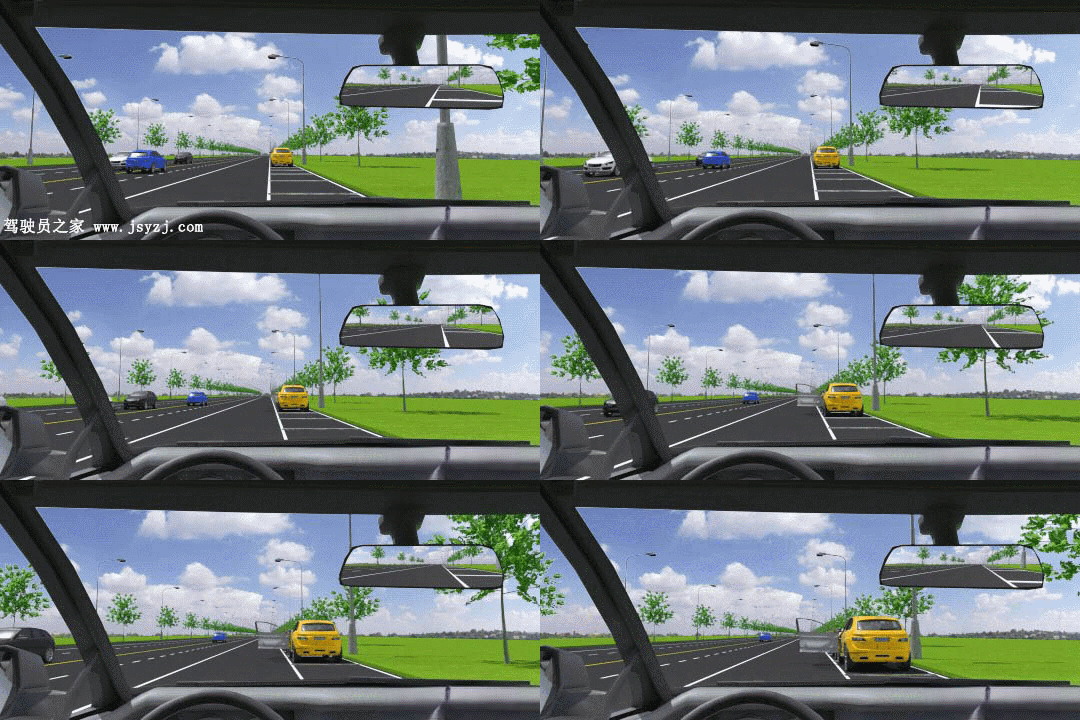
A. Reserve a safe crosswise distance and cut speed
B. Keep a normal speed
C. Use the emergency brake when approaching
D. Speed up and pass rapidly
Answer: A
13. Before making a U-turn at the intersection ahead, motor vehicle drivers should drive to the lane for turning left and going straight.
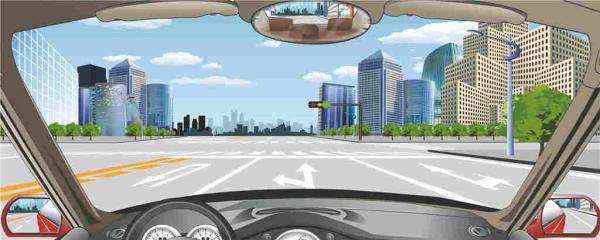
A. Right
B. Wrong
Answer: B
14. When approaching another vehicle at night, why should the driver alternate between high-and-low-beam at a distance more than 150 meters?
A. Warn each other before passing
B. Driving habit
C. Easy to observe the situation ahead from either side
D. Courtesy
Answer: C
15. When the windscreen of a motor vehicle on the highway is cracked by flying rocks or debris which makes visibility poor, the driver should reduce speed gradually, turn on the hazard warning lamps, drive to a place where it will not obstruct the traffic flow and stop there.
A. Right
B. Wrong
Answer: A
16. When passing another vehicle on a foggy day, what should drivers do?
A. Slow down and pass slowly
B. Maintain a safety distance
C. Properly use lamps
D. Drive at a high speed
Answer: ABC
17. What should motor vehicle drivers do when approaching an oncoming vehicle on a frozen road?
A. Cut speed as approaching each other
B. Pass each other by speeding up properly
C. Pass each other slowly by cutting speed in advance
D. Pass each other along the central line to the best
Answer: C
18. When rescuing a wounded person in coma causing by excessive blood loss, it is necessary to take measures to prevent heat loss.
A. Right
B. Wrong
Answer: A
19. The sign on the right indicates a one-kilometer distance from the ETC toll station.
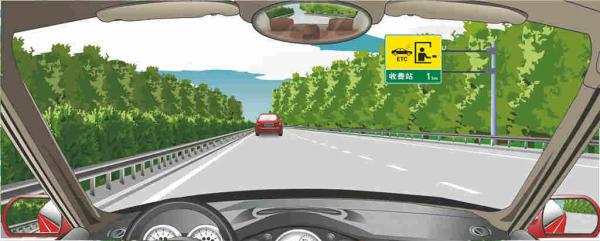
A. Right
B. Wrong
Answer: A
20. When following other vehicles on a foggy day, what should the driver do?
A. Maintain a large safety distance
B. Turn on the high-beam
C. Turn on the low-beam
D. Sound the horn in due time
Answer: A