

1. When driving in thick fog causing poor visibility on the expressway, the driver should apply emergency braking to stop at once.
A. Right
B. Wrong
Answer: B
2. If a motor vehicle has an accident on a foggy day and stops on an expressway, which of the following acts is dangerous?
A. Leaving the motor vehicle as soon as possible
B. Standing outside the guardrail as much as possible
C. Turning on the hazard lamp and fog lamp
D. Placing a warning sign behind the vehicle in the oncoming direction
Answer: D
3. When a motor vehicle temporarily stops at night, which lamp should be turned on?
A. Front and rear fog lamp, clearance lamp and rear position lamp
B. Head lamp, clearance lamp and rear position lamp
C. Hazard lamp, clearance lamp and rear position lamp
D. Reverse lamp, clearance lamp and rear position lamp
Answer: C
4. The sign on the right side warns of a sharp right turn ahead.
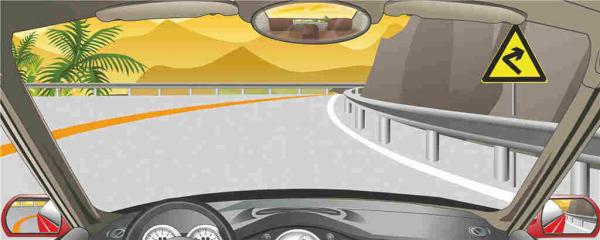
A. Right
B. Wrong
Answer: A
5. The driver may not yield when the motor vehicle encounters this situation at the intersection.
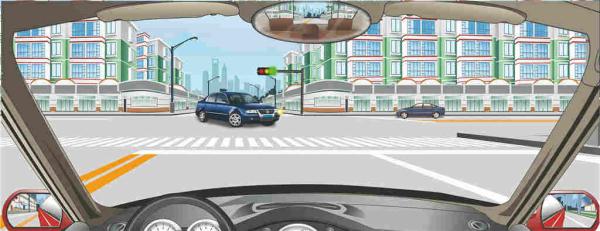
A. Right
B. Wrong
Answer: B
6. The sign on the right indicates notice by sounding the horn.
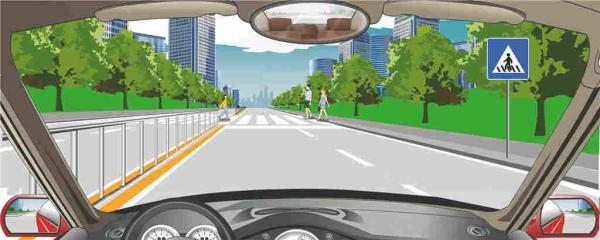
A. Right
B. Wrong
Answer: B
7. The sign on the right warns of children on the section ahead.
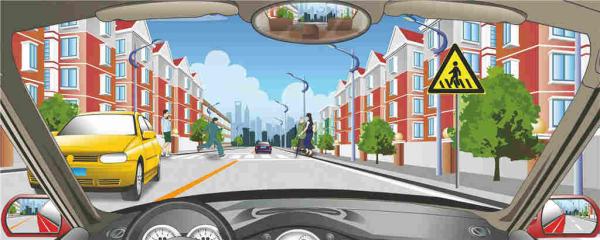
A. Right
B. Wrong
Answer: B
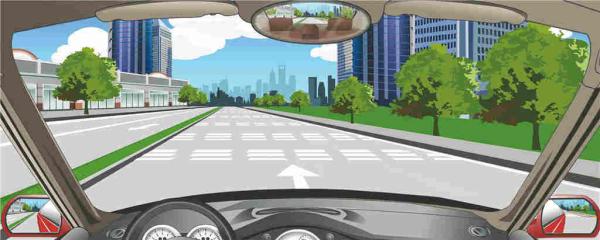
8. The broken white reflective line on the road warns that drivers should drive at a lower speed on the road section ahead.
A. Right
B. Wrong
Answer: A
9. Which of the following materials should not be used to stop bleeding?
A. Bandage
B. Sling
C. Tourniquet
D. Hemp rope
Answer: D
10. Motor vehicle drivers don?ˉt need to fasten their seatbelt
A. Right
B. Wrong
Answer: B
11. What should the driver do upon finding a burst rear tire?
A. Adjust by swiftly turning the steering wheel
B. Control the direction while reducing speed slowly
C. Swiftly turn the steering wheel to the opposite direction
D. Swiftly take braking measures
Answer: B
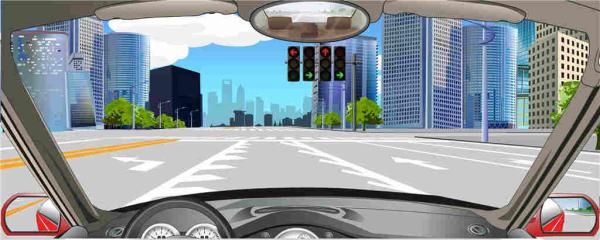
12. The guide line of a changeable lane indicates that drivers can choose their direction at will.
A. Right
B. Wrong
Answer: B
13. When rescuing a wounded person suffering from bone fracture, which of the following should be kept in mind?
A. Immediately send him/her to the hospital on a stretcher
B. Properly change the original posture when the injured person wounded
C. Dress the fracture with a bandage
D. Do not move the fractured body-part
Answer: D
14. Before setting off, it is necessary to check the driving cabin, engine cabin, external and tires of the motor vehicle.
A. Right
B. Wrong
Answer: A
15. What should the driver do to follow other motor vehicles on a mountain road?
A. Closely follow the vehicle in front
B. Increase the safety distance
C. Reduce the vertical distance between vehicles
D. Try to overtake the vehicle in front as soon as possible
Answer: B
16. Which one of the following measures is correct when a motor vehicle intends to overtake but the vehicle in front refuses to yield?
A. Use a long-sounding horn
B. Follow the vehicle in front while turning high-beam
C. Wait for it to yield while keeping a safe distance
D. Use high-beam and low-beam alternatively
Answer: C
17. What should the driver do when the motor vehicle counters this situation?
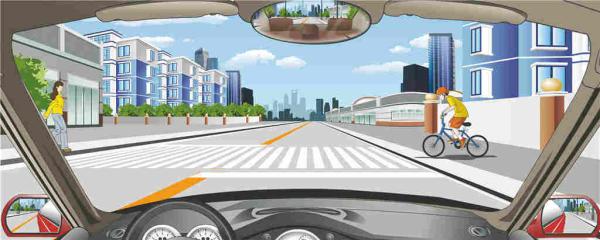
A. Sound the horn continuously to warn
B. Speed up and bypass from the front
C. Slow down when encountering any risks
D. Slow down voluntarily and yield
Answer: D
18. When encountering children in this condition, what should motor vehicle drivers do?

A. Go ahead by following the children closely
B. Speed up and overtake from the left side of the children
C. Sound the horn to alert the children
D. Reduce speed or stop to yield
Answer: D
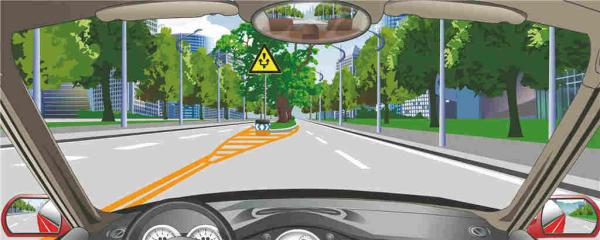
19. The slanted filled-in yellow marking in the middle of the road warns that there is a stationary obstacle ahead.
A. Right
B. Wrong
Answer: A
20. When a motor vehicle moves through water, drivers should intermittently and gently depress the brake pedal in order to restore braking efficiency.
A. Right
B. Wrong
Answer: A