

1. Upon encountering this traffic signal, how should a driver react?
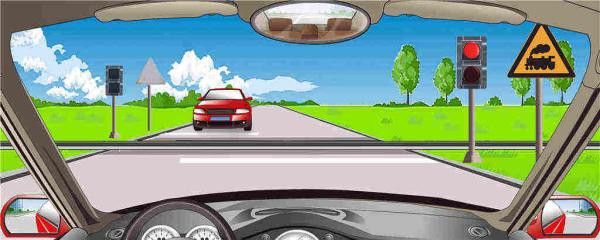
A. Observe the traffic situation and pass at a reduced speed
B. Pass at an increased speed without changing gears
C. Pass before the train comes
D. Crossing the stop line is prohibited
Answer: D
2. When a motor vehicle skids sideways on a muddy road, the driver should turn the steering wheel in the direction of the rear wheel skidding to properly adjust the direction.
A. Right
B. Wrong
Answer: A
3. The driver should turn left by the left side of the intersection central point.
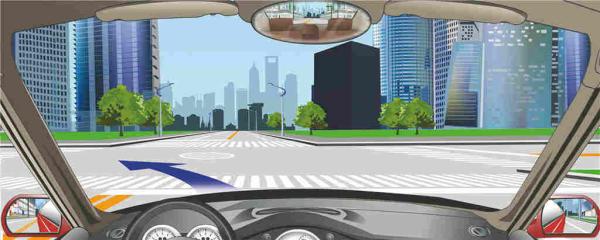
A. Right
B. Wrong
Answer: A
4. When there is a sudden braking failure on a downhill road, what should be done by the driver?
A. Driving to an emergency lane and reducing speed to stop
B. Dropping the gear by two positions
C. Changing to the reverse gear to force the vehicle to stop
D. Reducing speed by pulling up the handbrake
Answer: A
5. The sign on the right indicates an emergency shield 100 meters ahead.
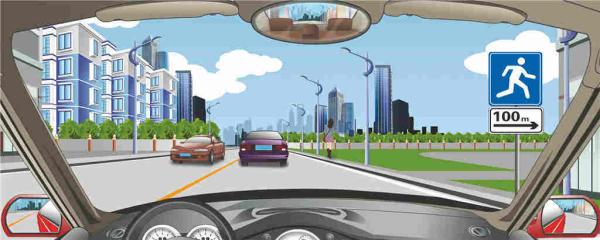
A. Right
B. Wrong
Answer: A
6. When a motor vehicle turns at an excessively high speed, it can easily slide sideways.
A. Right
B. Wrong
Answer: A
7. Which of the following acts are prohibited when passing through a tunnel?
A. Overtaking
B. Stopping
C. Making a U-turn
D. Reversing
Answer: ABCD
8. These traffic police signals indicate that passing is prohibited.
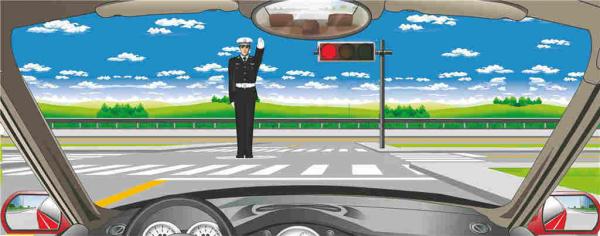
A. Right
B. Wrong
Answer: A
9. When making a turn on a mountainous road, drivers should cut speed, sound the horn and drive along the right side.
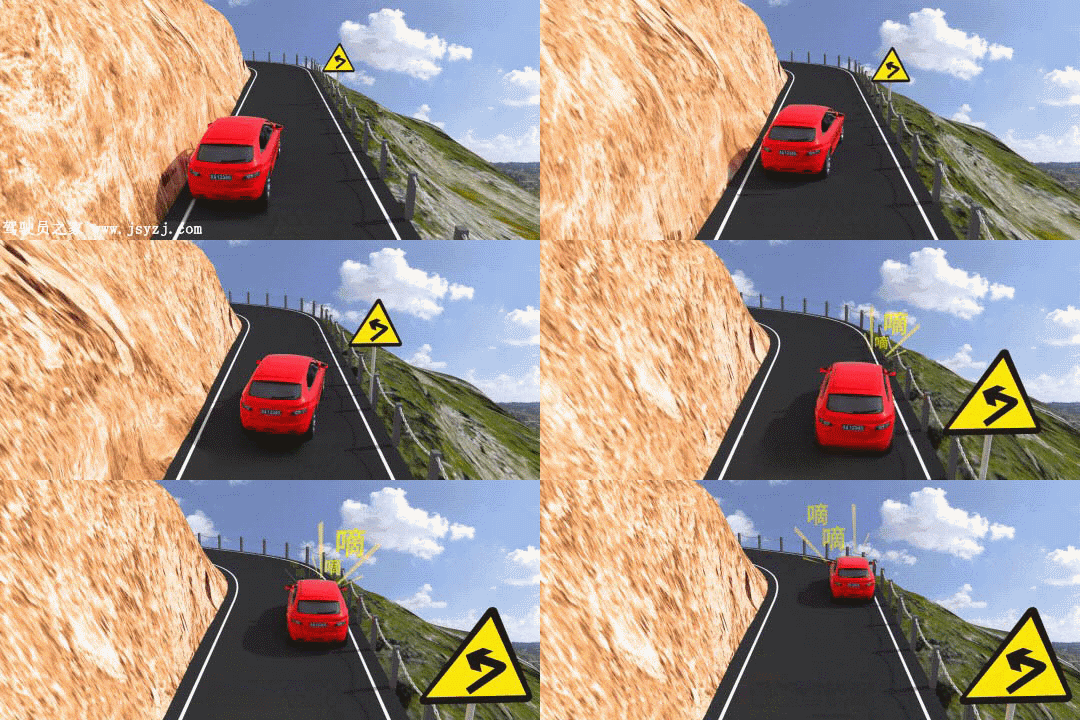
A. Right
B. Wrong
Answer: A
10. What should the driver do when he encounters an oncoming ambulance in the same lane?
A. Keep to the side and reduce speed or stop to yield
B. Drive ahead by occupying another lane
C. Yield by speeding up and changing lanes
D. Drive ahead in the original lane
Answer: A
11. The broken and solid white line on the road indicates that crossing is allowed on the solid line side.
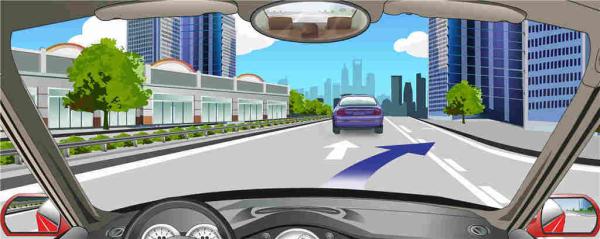
A. Right
B. Wrong
Answer: B
12. Which of the following measures should be taken first when rescuing a wounded person suffering blood loss?
A. Observe
B. Dress the wounds
C. Stop bleeding
D. Inquire
Answer: C
13. What should a driver do when the engine stalls suddenly on the road?
A. Apply emergency braking to stop the vehicle
B. Slow down and stop the vehicle
C. Change to neutral gear and coast
D. Shut down the ignition switch
Answer: B
14. When driving on a muddy road, what should the driver do?
A. Try to avoid using the foot brake
B. Drive slowly in mid or low gear
C. Firmly hold the steering wheel
D. Speed up and pass through
Answer: ABC
15. Mr. Tang drove a large bus with 74 passengers (capacity 30 people). When descending a long curving slope at a speed of 38 kilometers per hour, the bus overturned to a brook beside the road. As a result of the accident, 17 people were killed and 57 people injured. What is the main illegal act committed by Mr. Tang?
A. Driving after drinking
B. Carrying more passengers than permitted
C. Fatigued driving
D. Speeding
Answer: BD
16. As shown in the flash, what should the driver do when the motor vehicle encounters this situation?
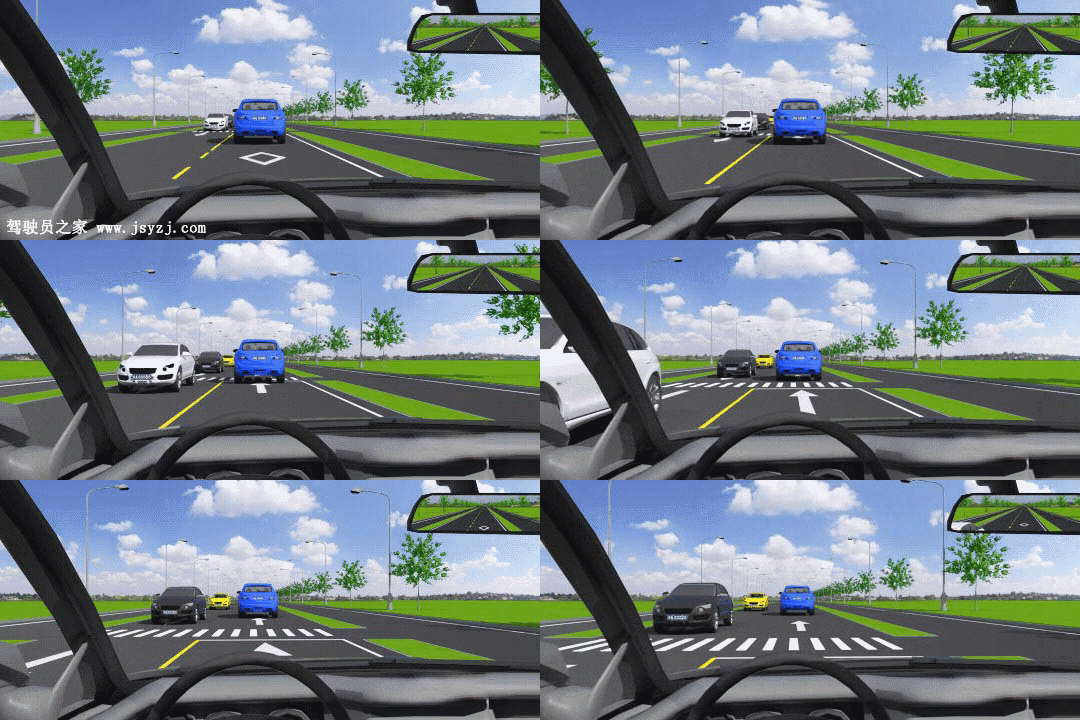
A. Speed up and pass rapidly
B. Stop immediately
C. Sound the horn to indicate the pedestrians to yield
D. Observe the movement of pedestrians and non-motor vehicles before passing
Answer: D
17. This sign warns of an intersection of railways and highways ahead.
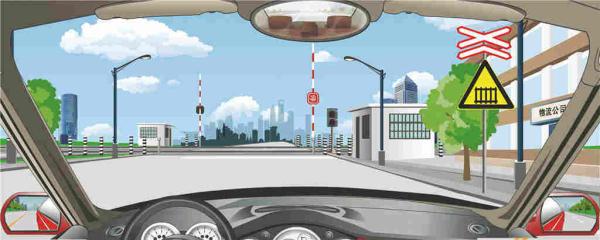
A. Right
B. Wrong
Answer: A
18. Gun powder, explosives and detonating powder belong to which of the following dangerous chemicals?
A. Oxidizing materials
B. Inflammable solid materials
C. Explosives
D. Self-igniting articles
Answer: C
19. Which one of the following ways to pass this intersection is correct?
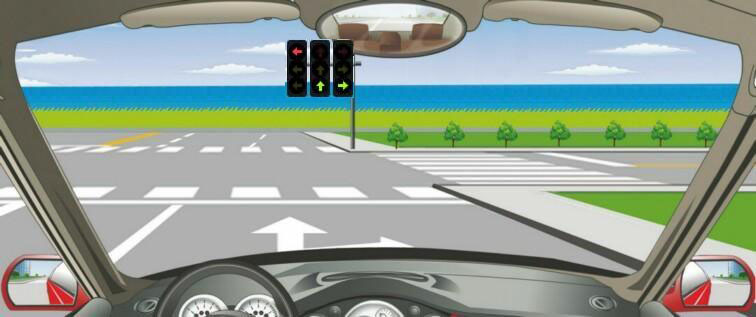
A. Turn left or right
B. Drive straight or turn left
C. Turn left
D. Drive straight or turn right
Answer: D
20. The sign on the right warns of a village 200 meters ahead.
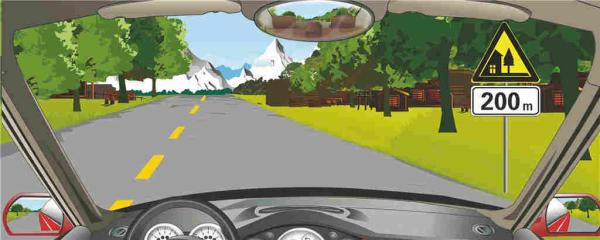
A. Right
B. Wrong
Answer: A