

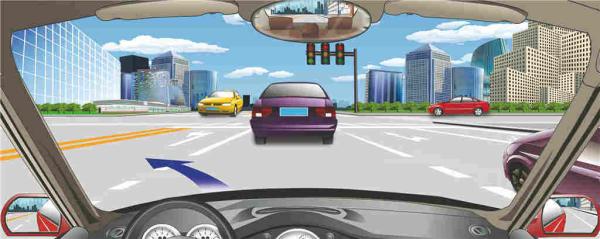
1. When a motor vehicle turns left at this intersection the driver should change to the left lane in advance by the guide arrow.
A. Right
B. Wrong
Answer: A
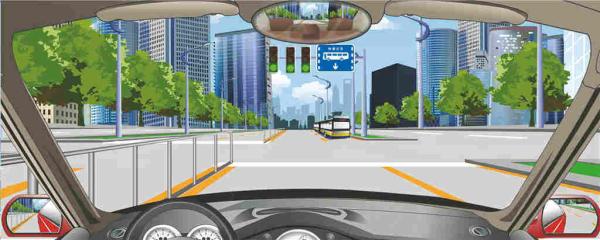
2. The sign in front indicates that vehicles except large passenger vehicles are not allowed to drive on the right lane.
A. Right
B. Wrong
Answer: B
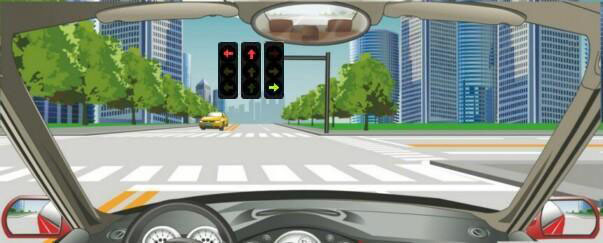
3. Motor vehicles are prohibited from driving straight or turning left in this situation.
A. Right
B. Wrong
Answer: A
4. A motor vehicle may stop and yield if it encounters any problem when changing to the driving lane from an acceleration lane.
A. Right
B. Wrong
Answer: B
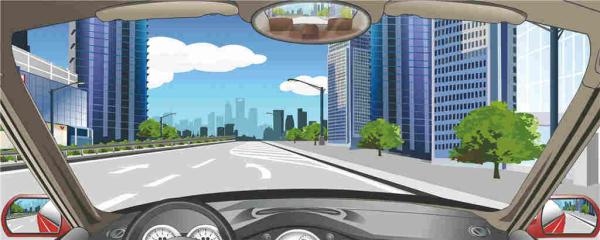
5. The guide arrow on the road surface of this lane indicates that the lanes ahead will merge to the left side.
A. Right
B. Wrong
Answer: A
6. After setting off from a roadside, motor vehicle drivers should watch both sides of the road, turn left and drive into the normal lane slowly.
A. Right
B. Wrong
Answer: A
7. The main reason for this accident is that the pedestrian crossed the street in front of the motor vehicle.
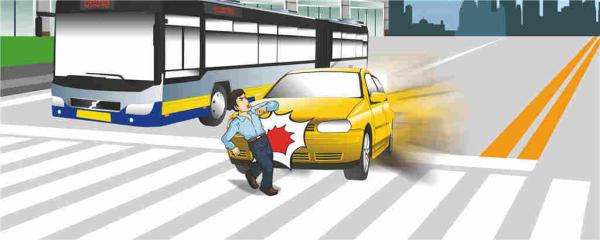
A. Right
B. Wrong
Answer: B
8. The road marker indicates that vehicles are not allowed to make a U-turn at the intersection ahead.
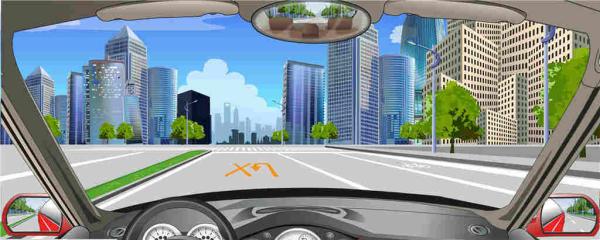
A. Right
B. Wrong
Answer: A
9. When driving, besides paying attention to keeping a safe distance from the vehicle in front, drivers should also be prudent when braking so as to avoid a rear-end collision caused by a vehicle behind.
A. Right
B. Wrong
Answer: A
10. In such circumstances, which one of the following statements is the safest measure for a motor vehicle driver to take?
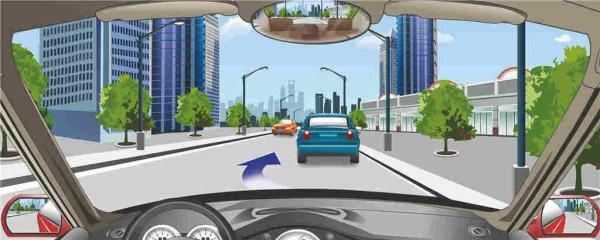
A. Accelerate to overtake the vehicle in front as soon as possible
B. Voluntarily reduce speed and refrain from overtaking
C. Sound the horn to warn the vehicle in front to yield
D. Turn on the headlamp to warn the oncoming vehicle to yield
Answer: B
11. Under such circumstances, what should be done by the motor vehicle driver?
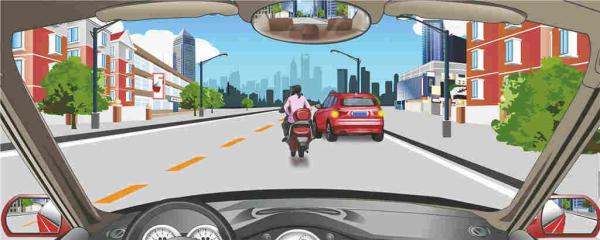
A. Reducing speed to give the right of way to the non-motor vehicle
B. Continuously sounding the horn to warn the vehicle in front to yield
C. Bypassing on the left of the non-motor vehicle
D. Accelerating to overtake by occupying the opposite lane
Answer: A
12. Which of the following measures is correct for rescuing a person sustaining full-body burns?
A. Cover the fire with sandy soil
B. Spray cool water to his body
C. Put out the fire by extinguisher
D. Help to remove the burning clothes
Answer: B
13. The sign on the right indicates a bypass flow intersection ahead.
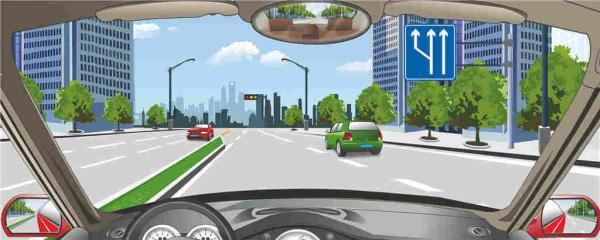
A. Right
B. Wrong
Answer: B
14. Drivers may go straight and pass through when trafficpolice give these hand signals
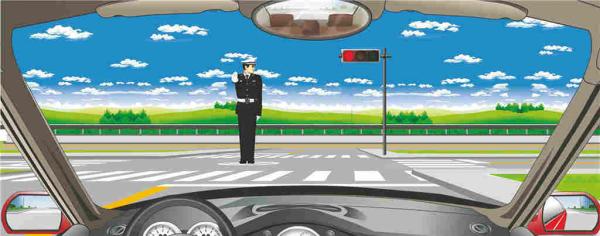
A. Right
B. Wrong
Answer: B
15. What is the meaning of the sign on the right?
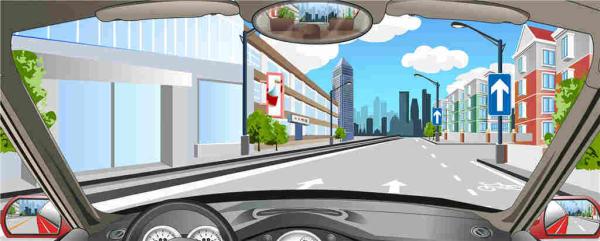
A. Drive on the right side of the road ahead
B. No entry ahead
C. One-way road ahead
D. Watch for the right-hand intersection ahead
Answer: C
16. Motor vehicles can turn right when driving into an intersection with this traffic signal.
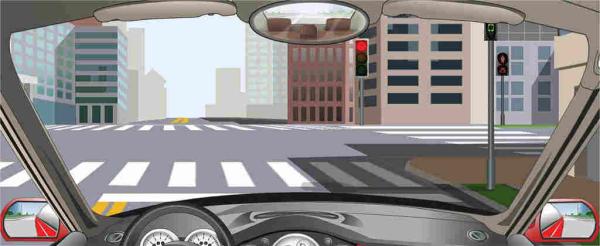
A. Right
B. Wrong
Answer: A
17. When there is a braking failure on a downhill road, what should not be done by the driver?
A. Steering the motor vehicle to the uphill direction
B. Stopping the vehicle by rubbing the vehicle body against the rocks or trees on roadside
C. Driving to the emergency lane and stop the vehicle there
D. Pulling up the stopping brake or change the gear to two positions lower
Answer: D
18. This road marker indicates that the minimum speed for this road section is 60 km/hour.
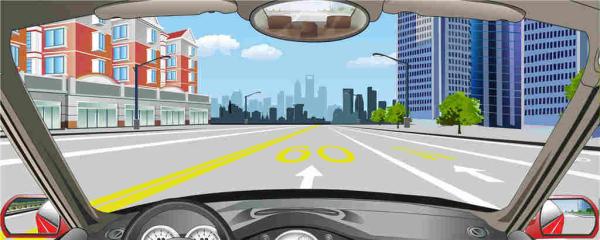
A. Right
B. Wrong
Answer: B
19. The area in the yellow rectangle markings on the right side of the road indicates that temporary stopping is permitted here.
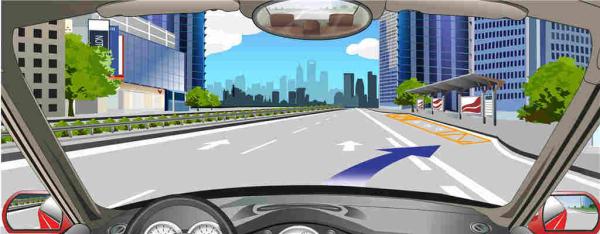
A. Right
B. Wrong
Answer: B
20. The sign on the right indicates that sounding the horn is prohibited here.
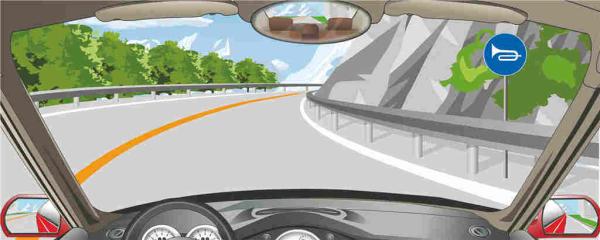
A. Right
B. Wrong
Answer: B