

1. The driver who chases and races while driving on the road, and commits serious acts is subject to ______
A. a prison term of 6 months
B. a prison term of more than 1 year
C. a criminal restriction and a fine
D. a criminal detention and a fine
Answer: D
2. The penalty points will be _____ if violating the traffic lights.
A. 2-point penalty
B. 3-point penalty
C. 6-point penalty
D. 12-point penalty
Answer: C
3. When encountering stopping in turn or slow-moving vehicles in front at an intersection where lanes are reduced, the motorized vehicle should _________.
A. enter the intersection from road shoulder by the right side of the vehicle in front
B. enter the intersection from the side of interspace
C. pass alternately with one vehicle each lane to enter the intersection
D. change to left lane and cut in to enter the intersection
Answer: C
4. Whats the meaning of this sign?
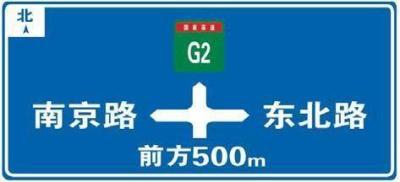
A. lane information indication
B. road branching point ahead
C. place and distance indication
D. intersection ahead
Answer: D
5. As the braking distance increases on a wet road in a rainy day, the driver should use the emergency brake as much as possible to reduce speed.
A. Right
B. Wrong
Answer: B
6. Which lane to choose when turning left in this intersection?
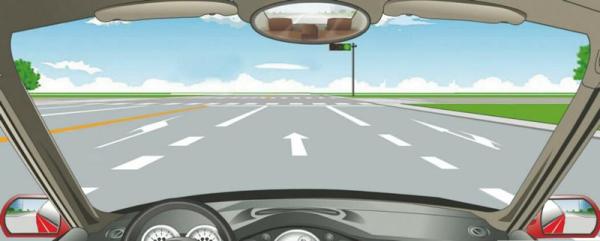
A. the far left lane
B. middle lane
C. not need to change lane
D. the far right lane
Answer: A
7. What is this manipulation device?
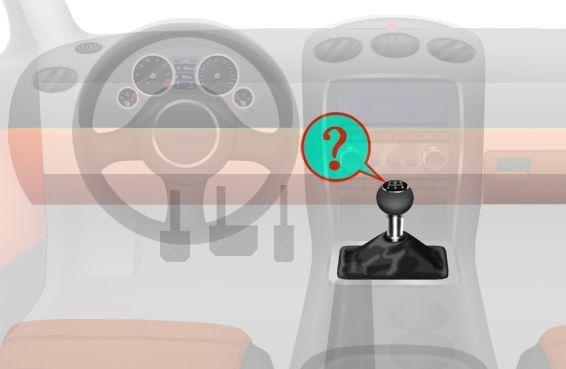
A. the handbrake
B. the air throttle lever
C. the gear lever
D. the clutch lever
Answer: C
8. When driving at night on a road that has good lighting, the driver should use _______.
A. The fog light
B. The low beam light
C. The high beam light
D. The hazard lights
Answer: B
9. If a motorized vehicle driver allows his vehicle to be driven by a person whose driving license has been revoked, the traffic police will detain the driving license.
A. Right
B. Wrong
Answer: A
10. Whats the meaning of this sign?
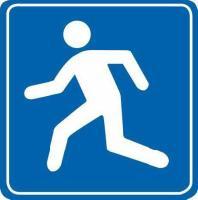
A. emergency shelter
B. service area
C. pedestrian passage
D. crossing road facility
Answer: A
11. Which of the following vehicle in front in the same lane is not allowed to be overtaken?
A. police car on duty
B. large bus or large truck
C. taxis
D. public bus
Answer: A
12. If a motorized vehicle driver reaches 12 penalty points during the period of probation, the probation qualification should be revoked.
A. Right
B. Wrong
Answer: A
13. Which of the following vehicle in front in the same lane is not allowed to be overtaken?
A. the vehicle is reducing speed to yield
B. the vehicle is running normally
C. the vehicle is overtaking
D. the vehicle is making a stop
Answer: C
14. Whats the meaning of this guide arrow?
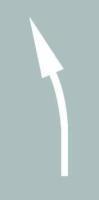
A. left curve or need to merge with the left flow ahead
B. right curve or need to merge with the right flow ahead
C. merge with the left flow due to right side obstacle ahead
D. left curve or need to bypass from left side ahead
Answer: A
15. How to run in this situation?
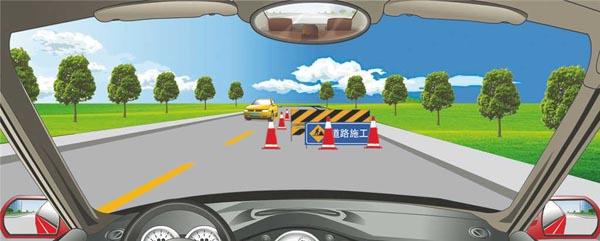
A. stop and yield to the opposite car
B. turn on the left-turn signal and run on the left side
C. turn on the head lights to let the other side yield
D. speed up to bypass the obstacle and then cross the other vehicle
Answer: A
16. You should speed up to go through the railway crossing in this case.
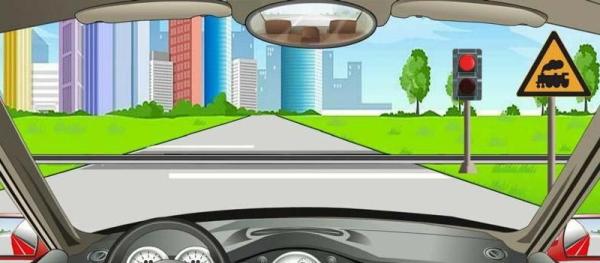
A. Right
B. Wrong
Answer: B
17. Honking in a foggy day can arouse the attention of the opposite side. After hearing the honking from the opposite side, the driver should also honk to respond.
A. Right
B. Wrong
Answer: A
18. When driving at night, the driver should reduce speed and go forward if the vehicle coming in the opposite direction fails to turn off the high beam light. This is designed to prevent an accident from happening when there are pedestrians crossing the place where the lights of the two vehicles meet.
A. Right
B. Wrong
Answer: A
19. A driver should buckled up before the vehicle moves.
A. Right
B. Wrong
Answer: A
20. Whats the meaning of this mark on the road?
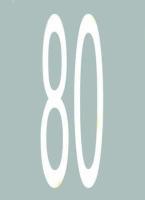
A. minimum speed limit is 80km/hr
B. average speed is 80km/hr
C. maximum speed limit is 80km/hr
D. 80km/hr speed limit ban is lifted
Answer: A