

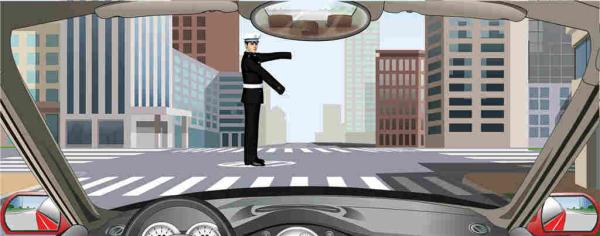
1. Drivers may turn right at the intersection when traffic police give these hand signals.
A. Right
B. Wrong
Answer: A
2. When a tire suddenly bursts on the road, in which of the following ways can motor vehicle drivers keep safe?
A. Applying emergency braking and pulling over
B. Firmly holding the steering wheel and keeping the vehicle going straight
C. Immediately releasing the accelerator pedal
D. Gently depressing the brake pedal
Answer: BCD
3. When a motor vehicle passes over an inundated road what should the driver do?
A. Stop and look at the situation
B. Make sure it is safe and pass over at a low speed
C. Intermittently and gently depress the brake pedal then wading across the water
D. Continuously but gently depress the brake pedal then wading across the water
Answer: ABC
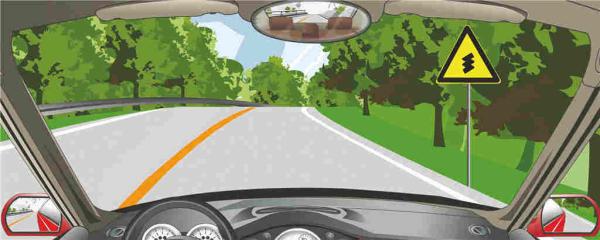
4. The sign on the right warns of right-hand S-shaped bend ahead.
A. Right
B. Wrong
Answer: B
5. If the road condition behind is good, motor vehicle drivers should reverse rapidly.
A. Right
B. Wrong
Answer: B
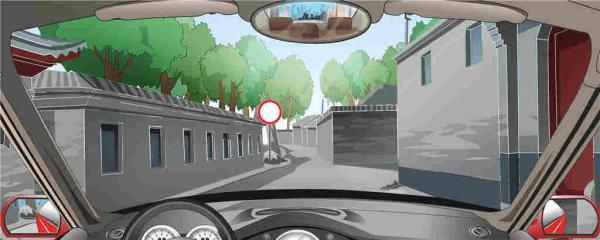
6. The sign on the left indicates vehicles are allowed to drive on the section ahead.
A. Right
B. Wrong
Answer: B
7. Rescue personnel should check the breath of the unconscious person before applying any other emergency treatment.
A. Right
B. Wrong
Answer: A
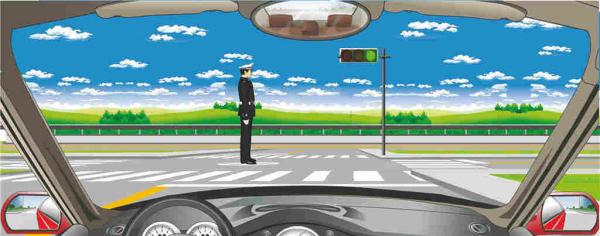
8. Drivers may go ahead when traffic polices posture is like this.
A. Right
B. Wrong
Answer: A
9. When making a turn on a mountainous road, drivers should cut speed, sound the horn and drive along the right side.
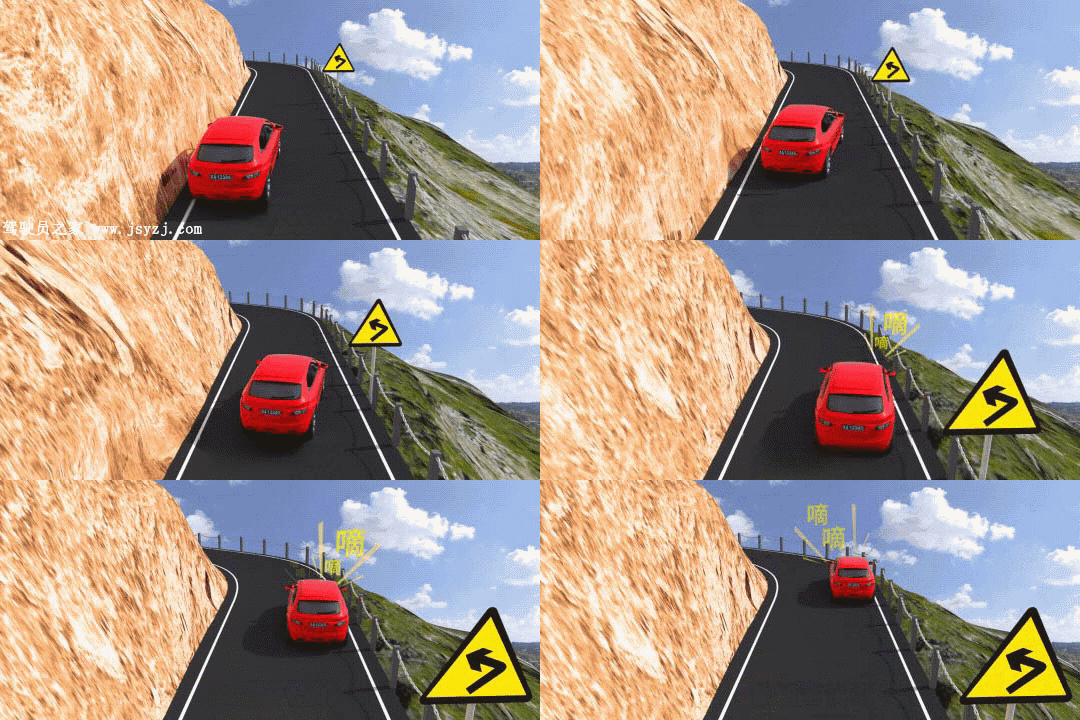
A. Right
B. Wrong
Answer: A
10. When a motor vehicle needs to stop for inspection after having an accident on an expressway, where should the driver park?
A. On the far outer lane
B. On the inner lane
C. On the emergency lane
D. In the triangle area on the ramp
Answer: C
11. If a motor vehicle has an accident on a foggy day and stops on an expressway, which of the following acts is dangerous?
A. Leaving the motor vehicle as soon as possible
B. Standing outside the guardrail as much as possible
C. Turning on the hazard lamp and fog lamp
D. Placing a warning sign behind the vehicle in the oncoming direction
Answer: D
12. Motor vehicles are not permitted to change lanes in this position.

A. Right
B. Wrong
Answer: A
13. The motor vehicle equipped with ABS may sideslip during an emergency brake.
A. Right
B. Wrong
Answer: A
14. When a gas tanker is leaking heavily, which of the following measures is wrong?
A. Cut off the power
B. Wear gas mask and protect gloves
C. Turn off the valve to stop leaking
D. Evacuate people to the leeward side
Answer: D
15. When driving on this dangerous mountainside road motor vehicle drivers should drive along the left side of the road.
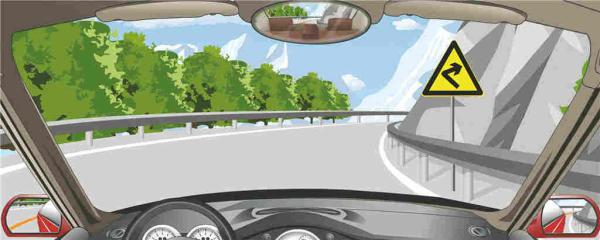
A. Right
B. Wrong
Answer: B
16. The slow-down-and-yield line at the intersection ahead indicates that vehicle drivers should stop and give the right of way to vehicles on the trunk road.

A. Right
B. Wrong
Answer: B
17. The motor vehicle should stop on the right and wait in this situation.
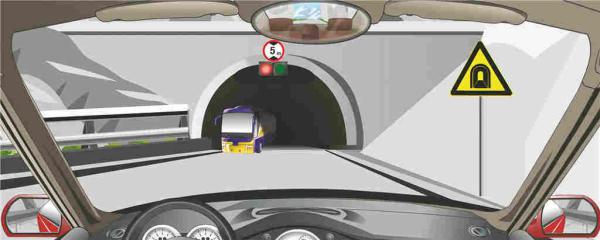
A. Right
B. Wrong
Answer: A
18. What needs attention when a motor vehicle drives on a road covered with ice and snow?
A. Braking length is extended
B. Anti-skating resistance will be greater
C. The adhesive force of the road will be greater
D. The braking length will be shorter
Answer: A
19. The red car is allowed to drive on this lane.
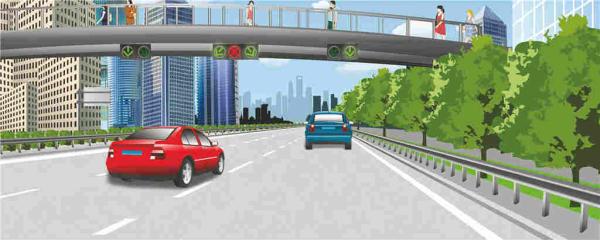
A. Right
B. Wrong
Answer: B
20. Which one of the following measures is correct when a motor vehicle encounters this situation at night?
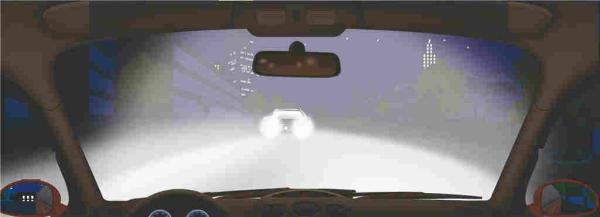
A. Keep driving at a normal speed
B. Drive at an increased speed to avoid light
C. Cut speed or stop to yield
D. Turn on high-beam to reject
Answer: C